https://en.sputniknews.africa/20261123/africas-sunshine-untapped-engine-of-economic-growth-1091123153.html
Africa’s Sunshine: Untapped Engine of Economic Growth
Africa’s Sunshine: Untapped Engine of Economic Growth
Sputnik Africa
Africa’s abundant sunshine could become a powerful driver of industrialization, helping local businesses reduce production costs, preserve agricultural... 23.11.2026, Sputnik Africa
2026-11-23T15:07+0100
2026-11-23T15:07+0100
2026-11-23T15:07+0100
global south pole
podcasts
kenya
africa
agriculture
solar power plant
renewable energy
farmers
economy
investment
https://cdn1.img.sputniknews.africa/img/07ea/0b/17/1091193625_0:0:1536:864_1920x0_80_0_0_ea59a94b76c018fee469724a8cf7b699.jpg
Africa’s Sunshine: Untapped Engine of Economic Growth
Sputnik Africa
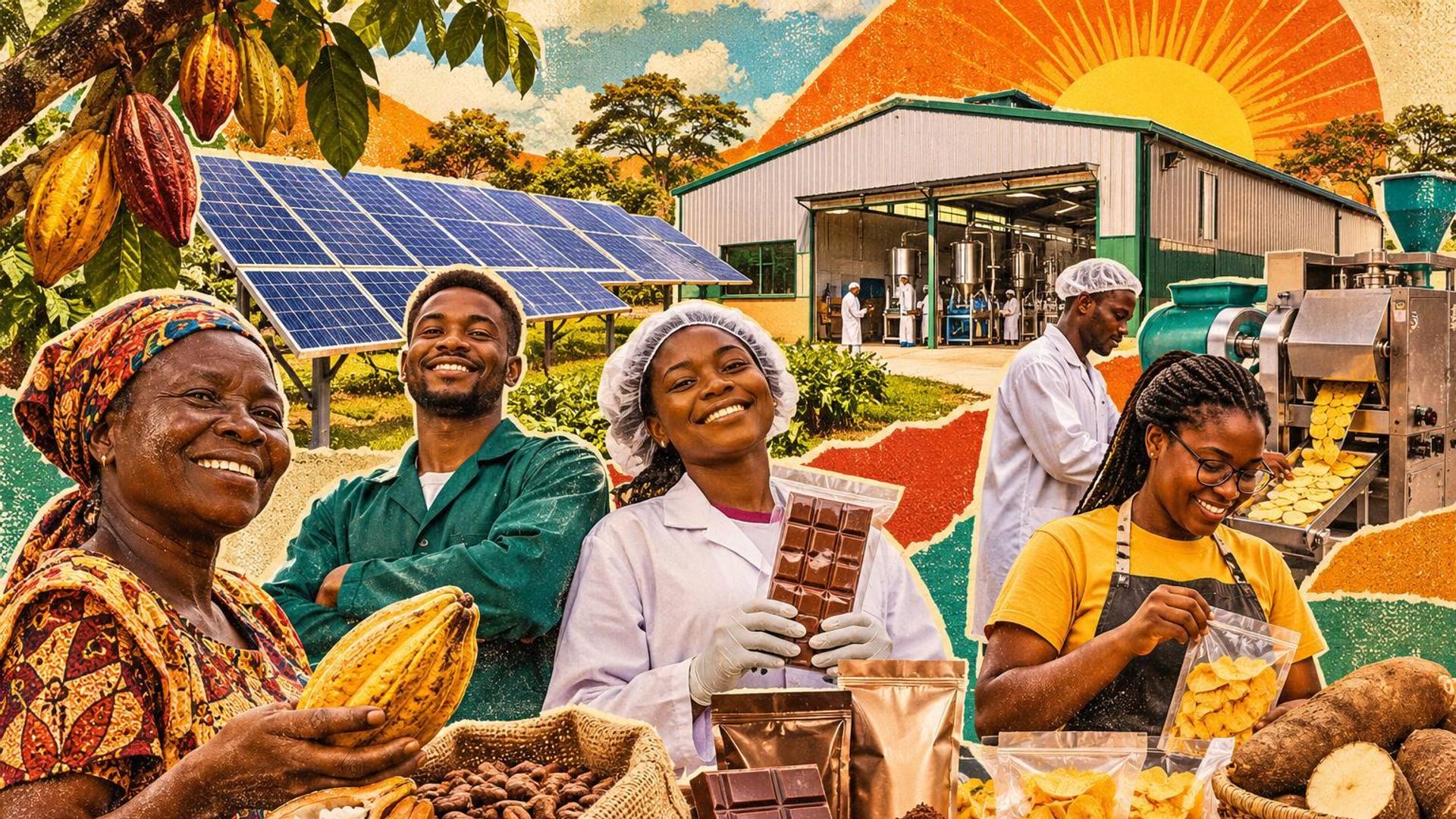
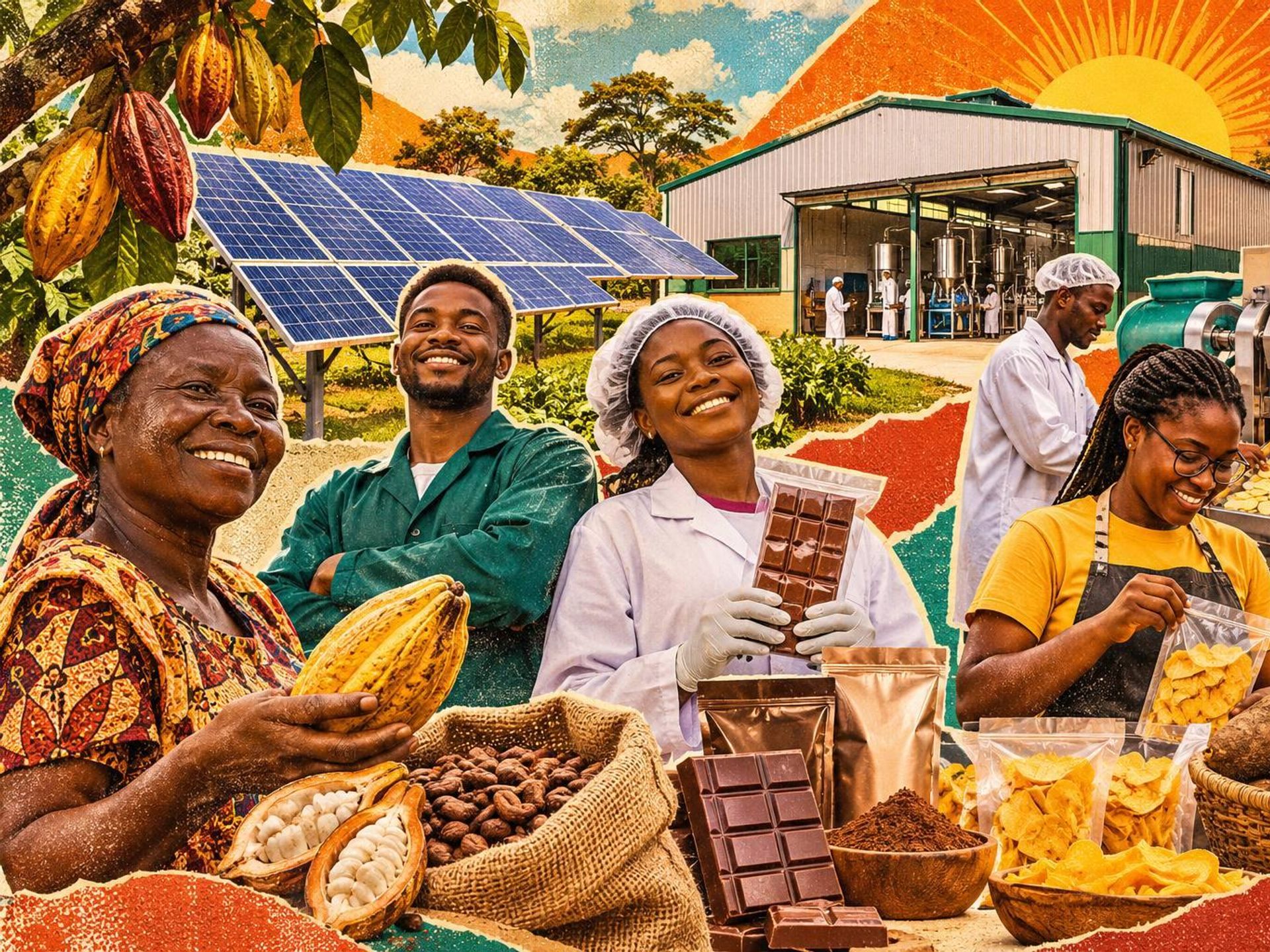
Africa’s abundant sunshine could become a powerful driver of industrialization, helping local businesses reduce production costs, preserve agricultural produce, and create more jobs.
Kenya’s experience with solar energy and battery storage offers a glimpse of how renewable power could strengthen the continent’s agro-processing industry and economic independence. Agro-processing, which involves transforming agricultural produce into finished or market-ready products, remains an important opportunity for African economies seeking to move beyond exporting raw commodities. However, unreliable electricity and high energy costs have continued to limit local production and value addition, making affordable and dependable energy essential for industrial growth.Global South Pole engaged Dr. Ali-Said Matano, an independent consultant specializing in the blue economy and transboundary water cooperation and a former senior advisor on the blue economy to the Government of Kenya, to discuss how solar power and battery storage could support agro-processing, strengthen food security, and improve Africa’s competitiveness in regional and international markets.Matano argued that solar energy could help African farmers and processors overcome persistent energy challenges by providing a more reliable, affordable, and cleaner alternative to conventional electricity and diesel generators. He explained that dependable power could reduce post-harvest losses, improve product quality, and support activities such as milling, drying, refrigeration, packaging, and storage. He also stressed that processing agricultural commodities locally would create employment and retain more economic value within African countries, rather than transferring these opportunities to overseas processors.To listen to the whole discussion, tune in to the Global South Pole podcast, brought to you by Sputnik Africa.In addition to the website, you can also catch our episodes on Telegram.► You can also listen to our podcast on Apple Podcasts, Spotify, Deezer, Castbox, Pocket Casts, Afripods, Podcast Addict, Overcast, and Mave Stream.► Check out all the episodes of Global South Pole
kenya
africa
sun
Sputnik Africa
feedback@sputniknews.com
+74956456601
MIA „Rossiya Segodnya“
2026
Aliyu Bello
https://cdn1.img.sputniknews.africa/img/07e9/0a/16/1079780916_214:0:1067:853_100x100_80_0_0_4bd8916543c40cbb732ddb736f79e903.jpg
Aliyu Bello
https://cdn1.img.sputniknews.africa/img/07e9/0a/16/1079780916_214:0:1067:853_100x100_80_0_0_4bd8916543c40cbb732ddb736f79e903.jpg
News
en_EN
Sputnik Africa
feedback@sputniknews.com
+74956456601
MIA „Rossiya Segodnya“
Sputnik Africa
feedback@sputniknews.com
+74956456601
MIA „Rossiya Segodnya“
Aliyu Bello
https://cdn1.img.sputniknews.africa/img/07e9/0a/16/1079780916_214:0:1067:853_100x100_80_0_0_4bd8916543c40cbb732ddb736f79e903.jpg
podcasts, kenya, africa, agriculture, solar power plant, renewable energy , farmers, economy, investment, fishery, cocoa, sun, energy, аудио
podcasts, kenya, africa, agriculture, solar power plant, renewable energy , farmers, economy, investment, fishery, cocoa, sun, energy, аудио
Africa’s Sunshine: Untapped Engine of Economic Growth
Aliyu Bello
Correspondent, Podcast Host
Africa’s abundant sunshine could become a powerful driver of industrialization, helping local businesses reduce production costs, preserve agricultural produce, and create more jobs.
Kenya’s experience with solar energy and battery storage offers a glimpse of how renewable power could strengthen the continent’s agro-processing industry and economic independence. Agro-processing, which involves transforming agricultural produce into finished or market-ready products, remains an important opportunity for African economies seeking to move beyond exporting raw commodities. However, unreliable electricity and high energy costs have continued to limit local production and value addition, making affordable and dependable energy essential for industrial growth.
Global South Pole engaged Dr. Ali-Said Matano, an independent consultant specializing in the blue economy and transboundary water cooperation and a former senior advisor on the blue economy to the Government of Kenya, to discuss how solar power and battery storage could support agro-processing, strengthen food security, and improve Africa’s competitiveness in regional and international markets.
Matano argued that solar energy could help African farmers and processors overcome persistent energy challenges by providing a more reliable, affordable, and cleaner alternative to conventional electricity and diesel generators. He explained that dependable power could reduce post-harvest losses, improve product quality, and support activities such as milling, drying, refrigeration, packaging, and storage. He also stressed that processing agricultural commodities locally would create employment and retain more economic value within African countries, rather than transferring these opportunities to overseas processors.
"The aspect of value addition is something that is not on our shelves. We are put in a situation whereby you get your [produce] from the farm, and the next thing you are looking for is somebody who can process it, value-add it, and do whatever. In essence, what you are doing, you are giving out that product of yours. And as you export it the way it is, you are exporting about three things: you are exporting the cocoa, you are exporting jobs, and you are giving away what would contribute to our economic growth," Dr. Matano explained.
To listen to the whole discussion, tune in to the
Global South Pole podcast, brought to you by
Sputnik Africa.In addition to the website, you can also catch our episodes on
Telegram.► Check out all the episodes of Global South Pole