'We Can Survive on Mars': Egyptian Researcher on Future of Space Exploration and Africa's Role
19:44 23.11.2026 (Updated: 20:50 23.11.2026)
© telegram sputnik_africa
Subscribe
'We Can Survive on Mars': Egyptian Researcher on Future of Space Exploration and Africa's Role
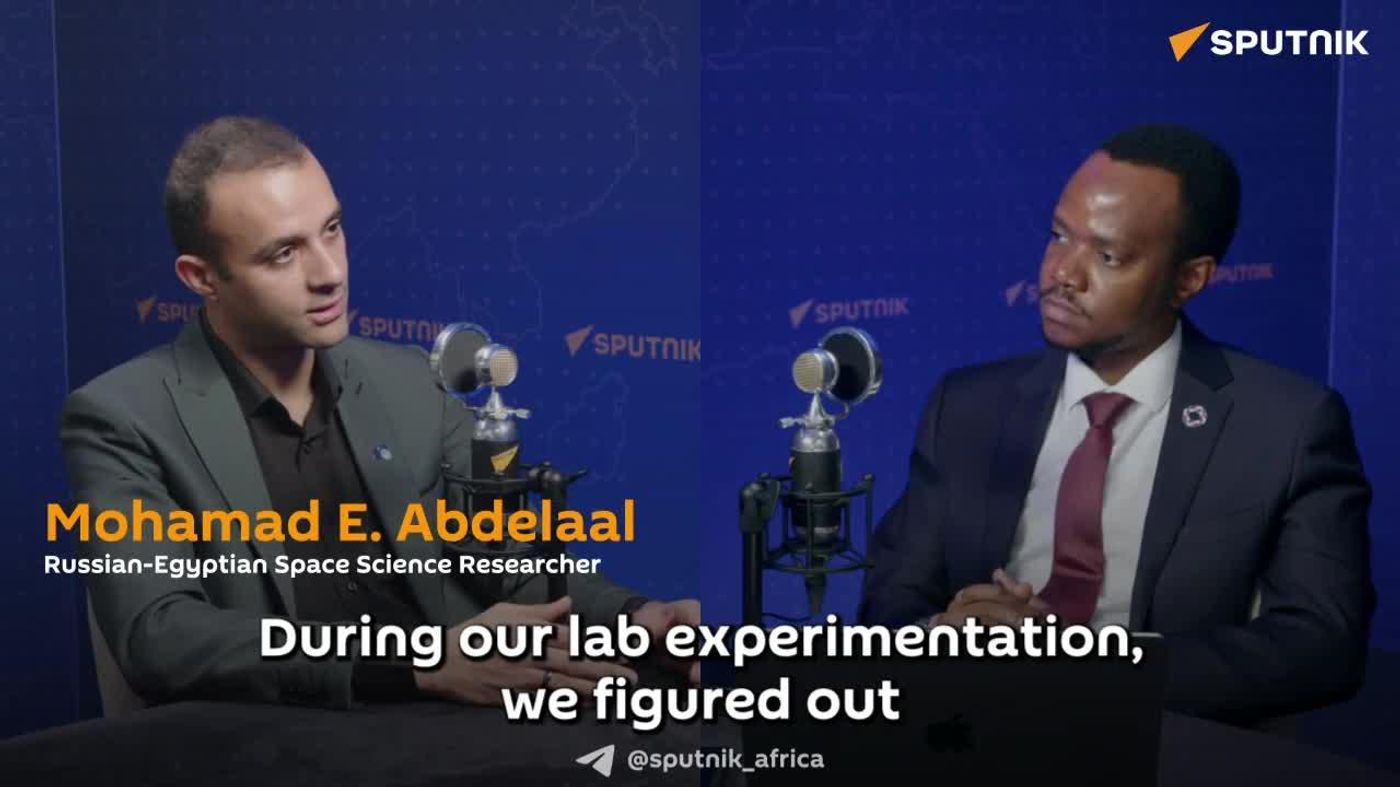
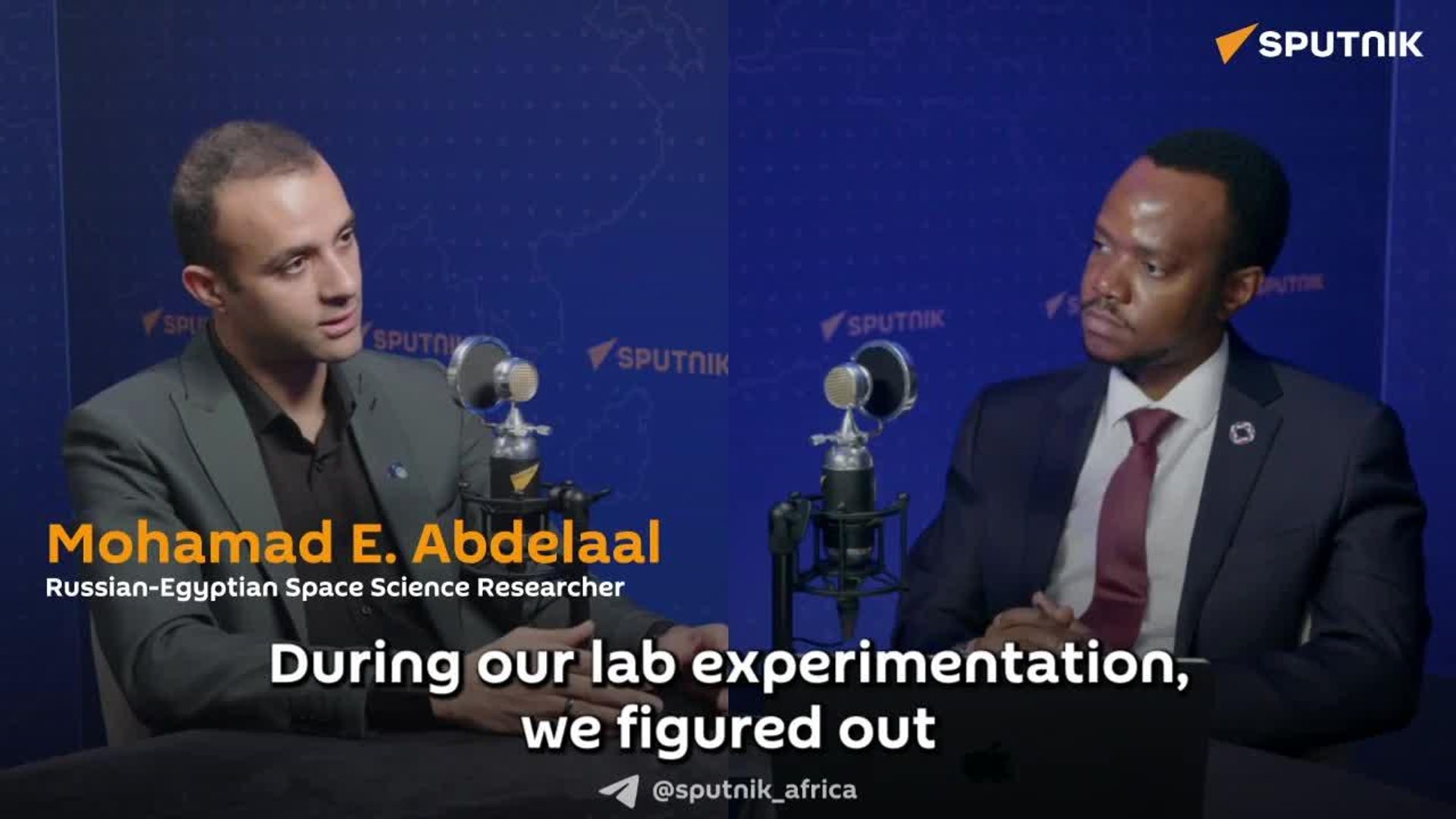
Future missions to the Red Planet must strictly account for radiation and the planet's electrically charged dust, Mohamad E. Abdelaal told Sputnik Africa.
His own research has helped shed light on one of these hazards. Using an electromagnetic analyzer (EMA) developed for the ExoMars mission, his team demonstrated that electrostatic discharges — similar to "thunder" — can occur when charged dust particles collide during major Martian dust storms.
Beyond his research on Mars, Abdelaal also sees a future for African countries in space exploration.
Looking 20 years ahead, the expert is confident the continent can develop its own space technologies and contribute directly to international missions.
To get there, he says, African countries should focus on two priorities:
🟠Strengthening fundamental education, particularly in mathematics and physics;
🟠Building on international cooperation and scientific partnerships.
'Space is Not a Monster'
His message is that space science should not be seen as beyond Africa's reach: with the right education and international cooperation, African nations have the capability to build, launch, and thrive in the new era of space exploration.