https://en.sputniknews.africa/20261106/six-languages-zero-african-how-africa-can-claim-its-voice-in-the-united-nations-1090708617.html
Six Languages, Zero African: How Africa Can Claim Its Voice in the United Nations
Six Languages, Zero African: How Africa Can Claim Its Voice in the United Nations
Sputnik Africa
Despite Africa accounting for over a quarter of the United Nations' member states, not a single African language holds official status within the global body. 06.11.2026, Sputnik Africa
2026-11-06T14:50+0100
2026-11-06T14:50+0100
2026-11-06T14:50+0100
redrawn africa
africa
united nations (un)
language
learning language
global south
southern africa
east africa
west africa
north africa
https://cdn1.img.sputniknews.africa/img/07ea/0b/06/1090709196_0:275:1255:980_1920x0_80_0_0_ecb0a4a88269648587311a4fc7eb8647.jpg
Six Languages, Zero African: How Africa Can Claim Its Voice in the United Nations
Sputnik Africa
Despite Africa accounting for over a quarter of the United Nations' member states, not a single African language holds official status within the global body.
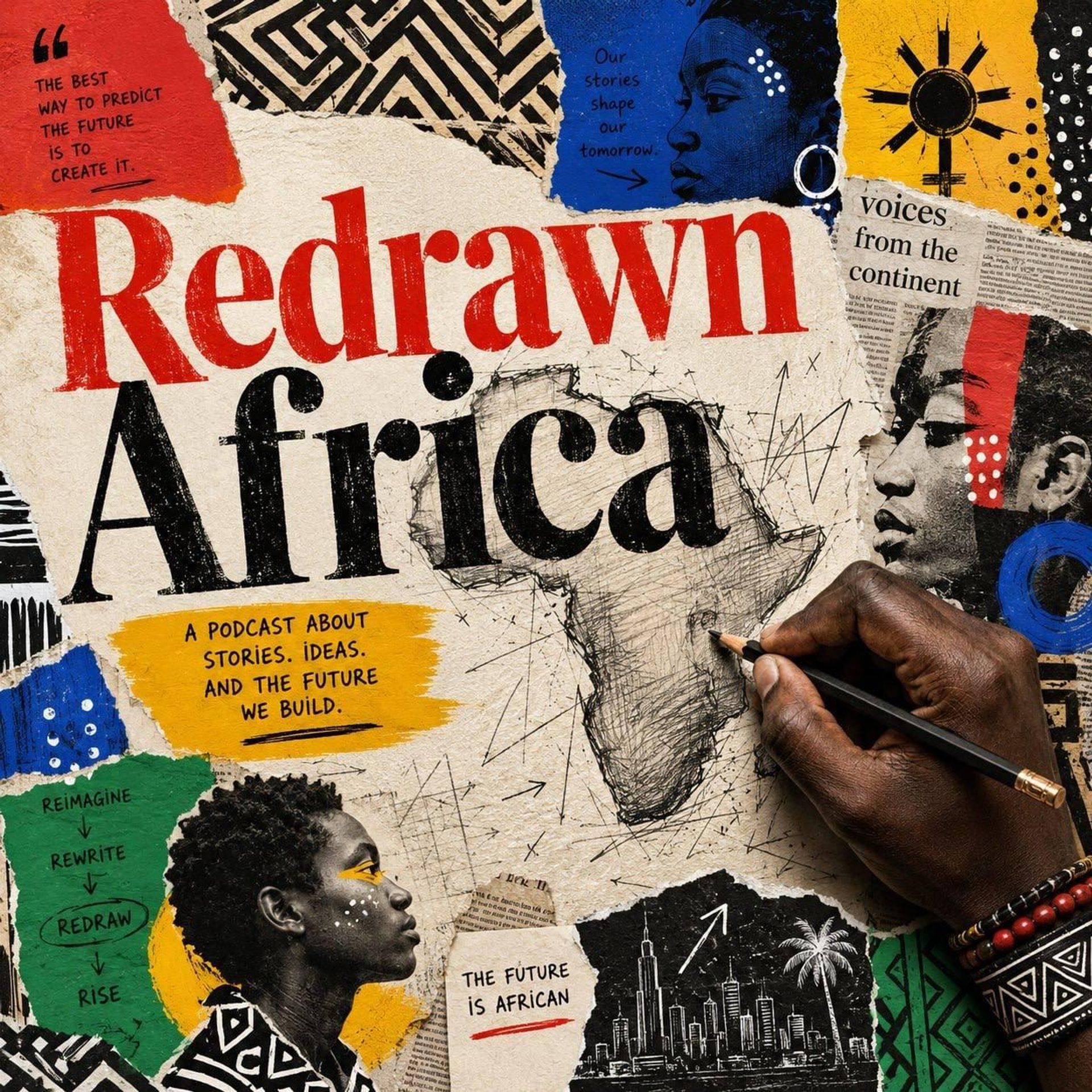
The UN currently conducts its proceedings across six official languages including Arabic, Chinese, English, French, Russian, and Spanish.This linguistic exclusion has drawn some criticism from activists and policymakers who argue that the framework sidelines the continent's rich linguistic heritage and diverse population.In this episode of the Redrawn Africa podcast, a South African forensic psychologist and military expert, Dr. Joan Swart examines what it would take to change the dynamics and why such effort requires coordination, strategy, and a clear understanding of the obstacles.► You can also listen to our podcast on Apple Podcasts, Spotify, Deezer, Castbox, Pocket Casts, Afripods, Podcast Addict, and Overcast.► Check out all the episodes of Redrawn Africa Podcast
africa
southern africa
east africa
west africa
north africa
Sputnik Africa
feedback@sputniknews.com
+74956456601
MIA „Rossiya Segodnya“
2026
Peace Chikodinaka Eze
https://cdn1.img.sputniknews.africa/img/07ea/07/14/1087666994_0:0:1040:1039_100x100_80_0_0_ce95af38315d6d9eb7e0f75a60df0788.jpg
Peace Chikodinaka Eze
https://cdn1.img.sputniknews.africa/img/07ea/07/14/1087666994_0:0:1040:1039_100x100_80_0_0_ce95af38315d6d9eb7e0f75a60df0788.jpg
News
en_EN
Sputnik Africa
feedback@sputniknews.com
+74956456601
MIA „Rossiya Segodnya“
Sputnik Africa
feedback@sputniknews.com
+74956456601
MIA „Rossiya Segodnya“
Peace Chikodinaka Eze
https://cdn1.img.sputniknews.africa/img/07ea/07/14/1087666994_0:0:1040:1039_100x100_80_0_0_ce95af38315d6d9eb7e0f75a60df0788.jpg
africa, united nations (un), language, learning language, global south, southern africa, east africa, west africa, north africa, podcasts, sputnik africa, sputnik, аудио
africa, united nations (un), language, learning language, global south, southern africa, east africa, west africa, north africa, podcasts, sputnik africa, sputnik, аудио
Six Languages, Zero African: How Africa Can Claim Its Voice in the United Nations
Despite Africa accounting for over a quarter of the United Nations' member states, not a single African language holds official status within the global body.
The UN currently conducts its proceedings across six official languages including Arabic, Chinese, English, French, Russian, and Spanish.
This linguistic exclusion has drawn some criticism from activists and policymakers who argue that the framework sidelines the continent's rich linguistic heritage and diverse population.
In this episode of the Redrawn Africa podcast, a South African forensic psychologist and military expert, Dr. Joan Swart examines what it would take to change the dynamics and why such effort requires coordination, strategy, and a clear understanding of the obstacles.
"Language policy is absolutely a part of state capacity. And it’s not only cultural symbolism; it is where our strength is actually seated and situated. But then again, linguistic self-determination must not necessarily exclude others. It must also include the rights of multilingual and minority communities. So, it’s about building each other up rather than usurping other cultures and languages. So, it’s not only about language but also about sovereignty,” Swart said.
► Check out all the episodes of Redrawn Africa Podcast