https://en.sputniknews.africa/20261106/africas-genetic-diversity-holds-promise-for-medical-breakthroughs-1090702898.html
Africa’s Genetic Diversity Holds Promise for Medical Breakthroughs
Africa’s Genetic Diversity Holds Promise for Medical Breakthroughs
Sputnik Africa
Genomic research is creating new opportunities to diagnose diseases, develop medicines and tailor treatment to individuals. Yet Africa, home to the world’s... 06.11.2026, Sputnik Africa
2026-11-06T13:57+0100
2026-11-06T13:57+0100
2026-11-06T13:57+0100
global south pole
podcasts
tanzania
africa
generic drugs
genetics
dna
health
healthcare
health ministry
https://cdn1.img.sputniknews.africa/img/07ea/0b/06/1090706830_0:0:1536:864_1920x0_80_0_0_977fa7d0e6f70278c5c4e9f248c04cfa.jpg
Africa’s Genetic Diversity Holds Promise for Medical Breakthroughs
Sputnik Africa
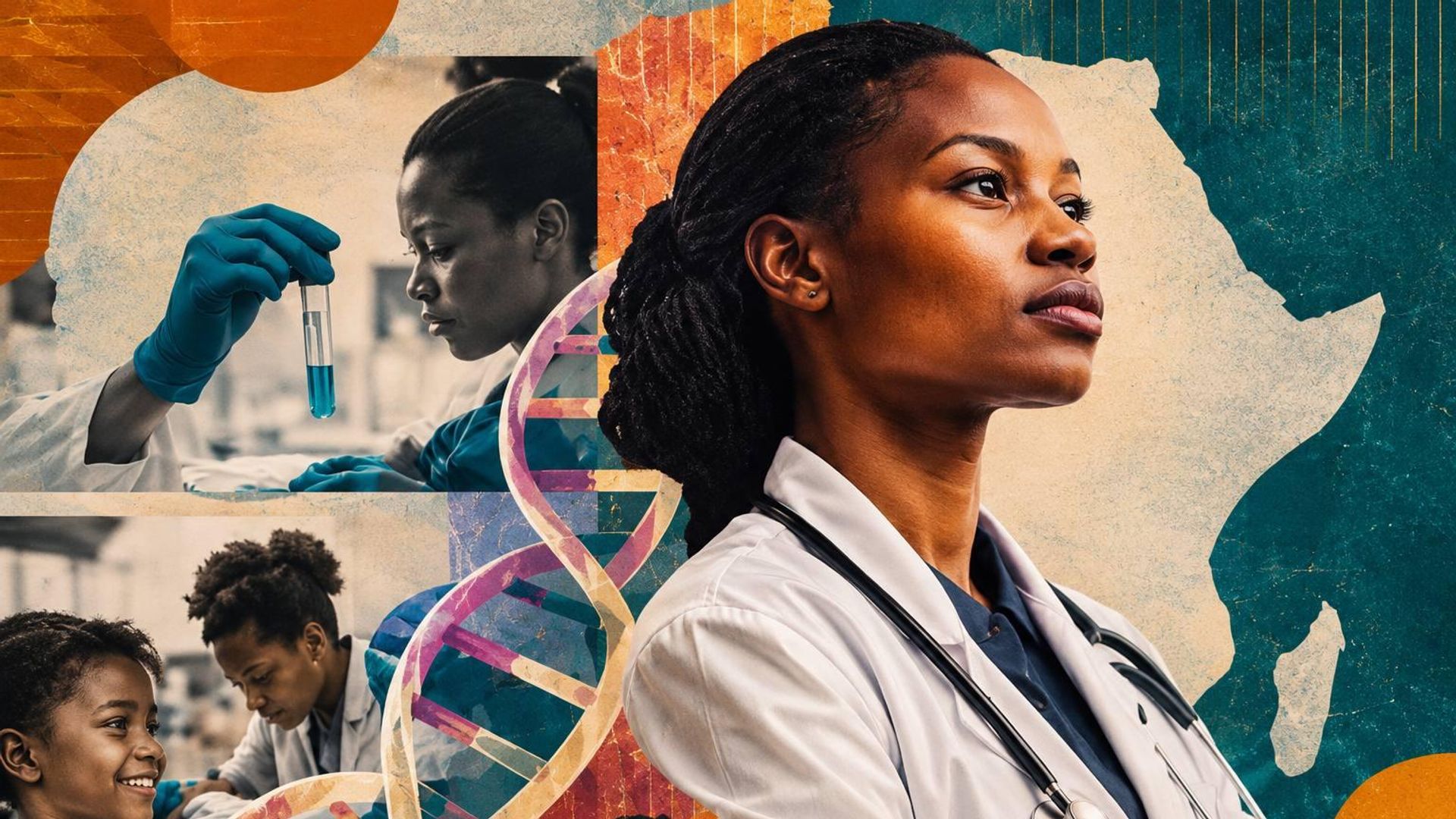
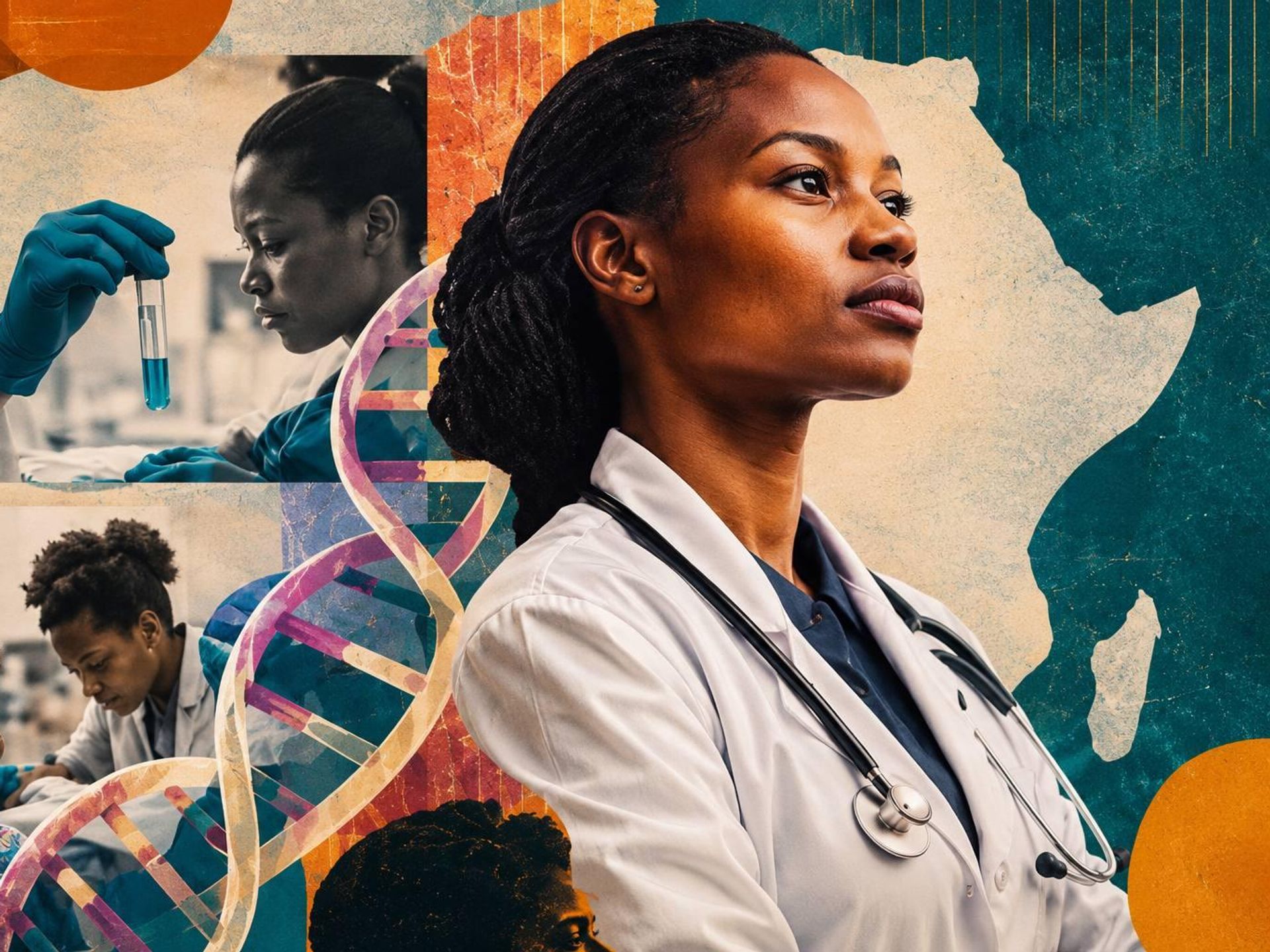
Genomic research is creating new opportunities to diagnose diseases, develop medicines and tailor treatment to individuals. Yet Africa, home to the world’s greatest human genetic diversity, remains underrepresented in global genetic databases, raising concerns about whether medical discoveries can accurately and fairly serve its populations.
The imbalance has implications beyond scientific research. As healthcare increasingly incorporates genetic information to guide diagnosis and treatment, the limited representation of African populations could affect how inherited conditions are identified, how patients respond to certain medicines and whether emerging medical technologies adequately serve the continent’s diverse populations.Global South Pole engaged Dr. Mohamed Zahir Alimohamed, a molecular geneticist, biomedical scientist, lecturer and trained genetic counsellor at the Muhimbili University of Health and Allied Sciences in Tanzania, to examine Africa’s genomic research gap, the prospects of precision medicine and the measures needed to strengthen the continent’s scientific capabilities. He is also a co-founder of the African Genetic Counsellors Association and the Tanzania Human Genetics Organization.Alimohamed argued that the underrepresentation of African populations in global genetic databases could undermine the accuracy of medical diagnoses and limit the effectiveness of treatments developed using genetic evidence predominantly drawn from other populations. He explained that genetic variations considered rare and potentially disease-causing in European populations might be relatively common and harmless among Africans. Consequently, applying the same diagnostic standards without sufficient African population data could result in misdiagnosis and inappropriate treatment decisions. He stressed that improving representation would not only benefit African patients but also expand scientific understanding of human disease.To listen to the whole discussion, tune in to the Global South Pole podcast, brought to you by Sputnik Africa.In addition to the website, you can also catch our episodes on Telegram.► You can also listen to our podcast on Apple Podcasts, Spotify, Deezer, Castbox, Pocket Casts, Afripods, Podcast Addict, Overcast, and Mave Stream.► Check out all the episodes of Global South Pole
tanzania
africa
south africa
Sputnik Africa
feedback@sputniknews.com
+74956456601
MIA „Rossiya Segodnya“
2026
Aliyu Bello
https://cdn1.img.sputniknews.africa/img/07e9/0a/16/1079780916_214:0:1067:853_100x100_80_0_0_4bd8916543c40cbb732ddb736f79e903.jpg
Aliyu Bello
https://cdn1.img.sputniknews.africa/img/07e9/0a/16/1079780916_214:0:1067:853_100x100_80_0_0_4bd8916543c40cbb732ddb736f79e903.jpg
News
en_EN
Sputnik Africa
feedback@sputniknews.com
+74956456601
MIA „Rossiya Segodnya“
Sputnik Africa
feedback@sputniknews.com
+74956456601
MIA „Rossiya Segodnya“
Aliyu Bello
https://cdn1.img.sputniknews.africa/img/07e9/0a/16/1079780916_214:0:1067:853_100x100_80_0_0_4bd8916543c40cbb732ddb736f79e903.jpg
podcasts, tanzania, africa, generic drugs, genetics, dna, health, healthcare, health ministry, research, biotechnology, biomedicine, biology, medicine, cooperation, global south, south africa, аудио
podcasts, tanzania, africa, generic drugs, genetics, dna, health, healthcare, health ministry, research, biotechnology, biomedicine, biology, medicine, cooperation, global south, south africa, аудио
Africa’s Genetic Diversity Holds Promise for Medical Breakthroughs
Aliyu Bello
Correspondent, Podcast Host
Genomic research is creating new opportunities to diagnose diseases, develop medicines and tailor treatment to individuals. Yet Africa, home to the world’s greatest human genetic diversity, remains underrepresented in global genetic databases, raising concerns about whether medical discoveries can accurately and fairly serve its populations.
The imbalance has implications beyond scientific research. As healthcare increasingly incorporates genetic information to guide diagnosis and treatment, the limited representation of African populations could affect how inherited conditions are identified, how patients respond to certain medicines and whether emerging medical technologies adequately serve the continent’s diverse populations.
Global South Pole engaged Dr. Mohamed Zahir Alimohamed, a molecular geneticist, biomedical scientist, lecturer and trained genetic counsellor at the Muhimbili University of Health and Allied Sciences in Tanzania, to examine Africa’s genomic research gap, the prospects of precision medicine and the measures needed to strengthen the continent’s scientific capabilities. He is also a co-founder of the African Genetic Counsellors Association and the Tanzania Human Genetics Organization.
Alimohamed argued that the underrepresentation of African populations in global genetic databases could undermine the accuracy of medical diagnoses and limit the effectiveness of treatments developed using genetic evidence predominantly drawn from other populations. He explained that genetic variations considered rare and potentially disease-causing in European populations might be relatively common and harmless among Africans. Consequently, applying the same diagnostic standards without sufficient African population data could result in misdiagnosis and inappropriate treatment decisions. He stressed that improving representation would not only benefit African patients but also expand scientific understanding of human disease.
“When you do not have the African population well represented in these genetic databases, there are two major consequences. One, that our doctors are not going to be able to provide our patients with accurate diagnoses. So there is a possibility because the data is not well represented. We don’t know if a certain change in the DNA is common in that population or is it rare. Because normally we associate rare changes with a specific condition. But sometimes, because you have not studied a population, you don’t know whether that mutation or that variation is actually rare or not,” Alimohamed said.
To listen to the whole discussion, tune in to the
Global South Pole podcast, brought to you by
Sputnik Africa.In addition to the website, you can also catch our episodes on
Telegram.► Check out all the episodes of Global South Pole