https://en.sputniknews.africa/20261022/sputniks-growing-presence-in-africa-elevating-african-perspectives-on-global-stage-1090159540.html
Sputnik’s Growing Presence in Africa: Elevating African Perspectives on Global Stage
Sputnik’s Growing Presence in Africa: Elevating African Perspectives on Global Stage
Sputnik Africa
On October 20, 2026, Sputnik Africa officially opened its editorial centers in South Africa and Tanzania, committing to producing content in English, French... 22.10.2026, Sputnik Africa
2026-10-22T17:37+0200
2026-10-22T17:37+0200
2026-10-22T17:37+0200
redrawn africa
africa
south africa
tanzania
sputnik africa
sputnik
podcasts
global south
west africa
east africa
https://cdn1.img.sputniknews.africa/img/07ea/0a/16/1090186487_0:275:1255:980_1920x0_80_0_0_4706f6b3143d29f17e70aaeec163f570.jpg
Sputnik’s Growing Presence in Africa: Elevating African Perspectives on Global Stage
Sputnik Africa
On October 20, 2026, Sputnik Africa officially opened its editorial centers in South Africa and Tanzania, committing to producing content in English, French, Swahili, Amharic, and Oromo—languages spoken by millions of Africans.
This expansion signals a strategic attempt to challenge the long-standing hegemony of Western-aligned media on the continent.For not a few African leaders, Sputnik's spread is a step toward media pluralism, which counters the existing media ecosystem on the continent.In this episode of the Redrawn Africa podcast, Professor Zwelethu Jolobe, an associate professor and deputy head of the department of political studies at the University of Cape Town, explains the advantages, among other things, that the news establishment could bring to the media ecosystem in Africa.► You can also listen to our podcast on Apple Podcasts, Spotify, Deezer, Castbox, Pocket Casts, Afripods, Podcast Addict, and Overcast.► Check out all the episodes of Redrawn Africa Podcast
africa
south africa
tanzania
west africa
east africa
north africa
central africa
southern africa
Sputnik Africa
feedback@sputniknews.com
+74956456601
MIA „Rossiya Segodnya“
2026
Peace Chikodinaka Eze
https://cdn1.img.sputniknews.africa/img/07ea/07/14/1087666994_0:0:1040:1039_100x100_80_0_0_ce95af38315d6d9eb7e0f75a60df0788.jpg
Peace Chikodinaka Eze
https://cdn1.img.sputniknews.africa/img/07ea/07/14/1087666994_0:0:1040:1039_100x100_80_0_0_ce95af38315d6d9eb7e0f75a60df0788.jpg
News
en_EN
Sputnik Africa
feedback@sputniknews.com
+74956456601
MIA „Rossiya Segodnya“
Sputnik Africa
feedback@sputniknews.com
+74956456601
MIA „Rossiya Segodnya“
Peace Chikodinaka Eze
https://cdn1.img.sputniknews.africa/img/07ea/07/14/1087666994_0:0:1040:1039_100x100_80_0_0_ce95af38315d6d9eb7e0f75a60df0788.jpg
africa, south africa, tanzania, sputnik africa, sputnik, podcasts, global south, west africa, east africa, north africa, central africa, southern africa, аудио
africa, south africa, tanzania, sputnik africa, sputnik, podcasts, global south, west africa, east africa, north africa, central africa, southern africa, аудио
Sputnik’s Growing Presence in Africa: Elevating African Perspectives on Global Stage
On October 20, 2026, Sputnik Africa officially opened its editorial centers in South Africa and Tanzania, committing to producing content in English, French, Swahili, Amharic, and Oromo—languages spoken by millions of Africans.
This expansion signals a strategic attempt to challenge the long-standing hegemony of Western-aligned media on the continent.
For not a few African leaders, Sputnik's spread is a step toward media pluralism, which counters the existing media ecosystem on the continent.
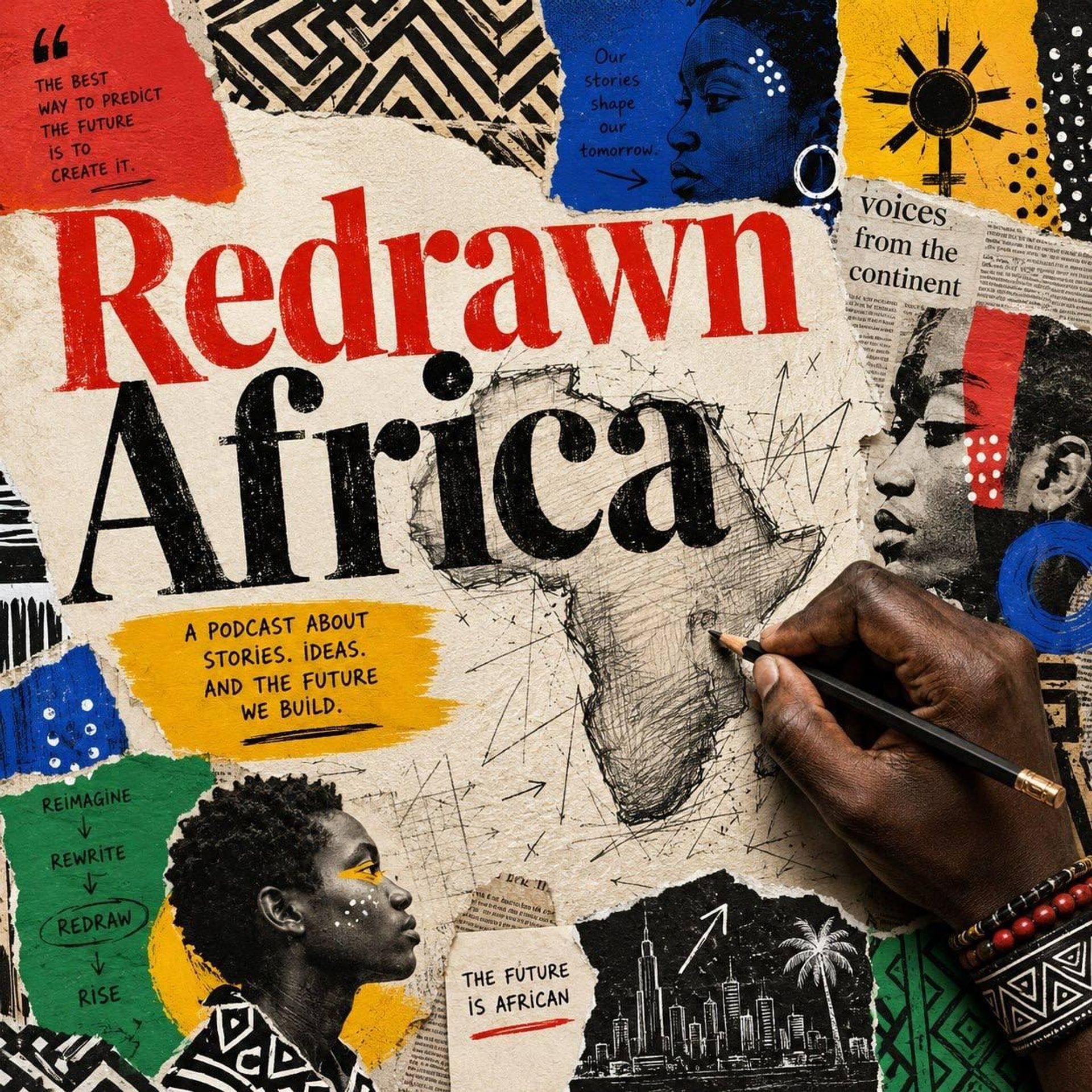
In this episode of the Redrawn Africa podcast, Professor Zwelethu Jolobe, an associate professor and deputy head of the department of political studies at the University of Cape Town, explains the advantages, among other things, that the news establishment could bring to the media ecosystem in Africa.
"I think this initiative is going to challenge that media monopoly, and it's also going to challenge it in very important ways. First will be the narrative, meaning how they tell the story about Africa. And I think that, you know, this is where language becomes so important because if one is to do a search or one has to do research, looking at the representations of Africa, then we can see it from any point of view, from tourism, economics, politics, culture, and all these things, in English or in French or even in Portuguese. I think that one can reach or one can reliably conclude that the majority of that narrative is going to be negative. Sometimes it's negative from a truthful place, meaning they're talking about sad stories, crises, or disasters. Other times it's negatively from a very condescending place, like seeing other human beings from a certain point of view which sees them as lesser, you know, or unworthy. And so any news agencies that come with a different perspective that says, "Actually, you know what, we're not going to be worried about going with the bandwagon, but we will tell the story in terms of how it really is," that is going to challenge those representations of Africa without a doubt," Prof. Jolobe said.
► Check out all the episodes of Redrawn Africa Podcast