https://en.sputniknews.africa/20261016/sputnik-hosts-russia-africa-expert-debate-on-food-sovereignty-1090018313.html
Sputnik Hosts Russia-Africa Expert Debate on Food Sovereignty
Sputnik Hosts Russia-Africa Expert Debate on Food Sovereignty
Sputnik Africa
Sputnik held a roundtable discussion via videoconference linking Moscow, Ouagadougou, Niamey, and Addis Ababa. Themed "Russia-Africa Dialogue on Food... 16.10.2026, Sputnik Africa
2026-10-16T15:23+0200
2026-10-16T15:23+0200
2026-10-16T15:23+0200
africa
russia
sputnik
https://cdn1.img.sputniknews.africa/img/07ea/0a/10/1090018122_0:66:1281:786_1920x0_80_0_0_70f5d8d45851df9bb7577a76a371170d.jpg
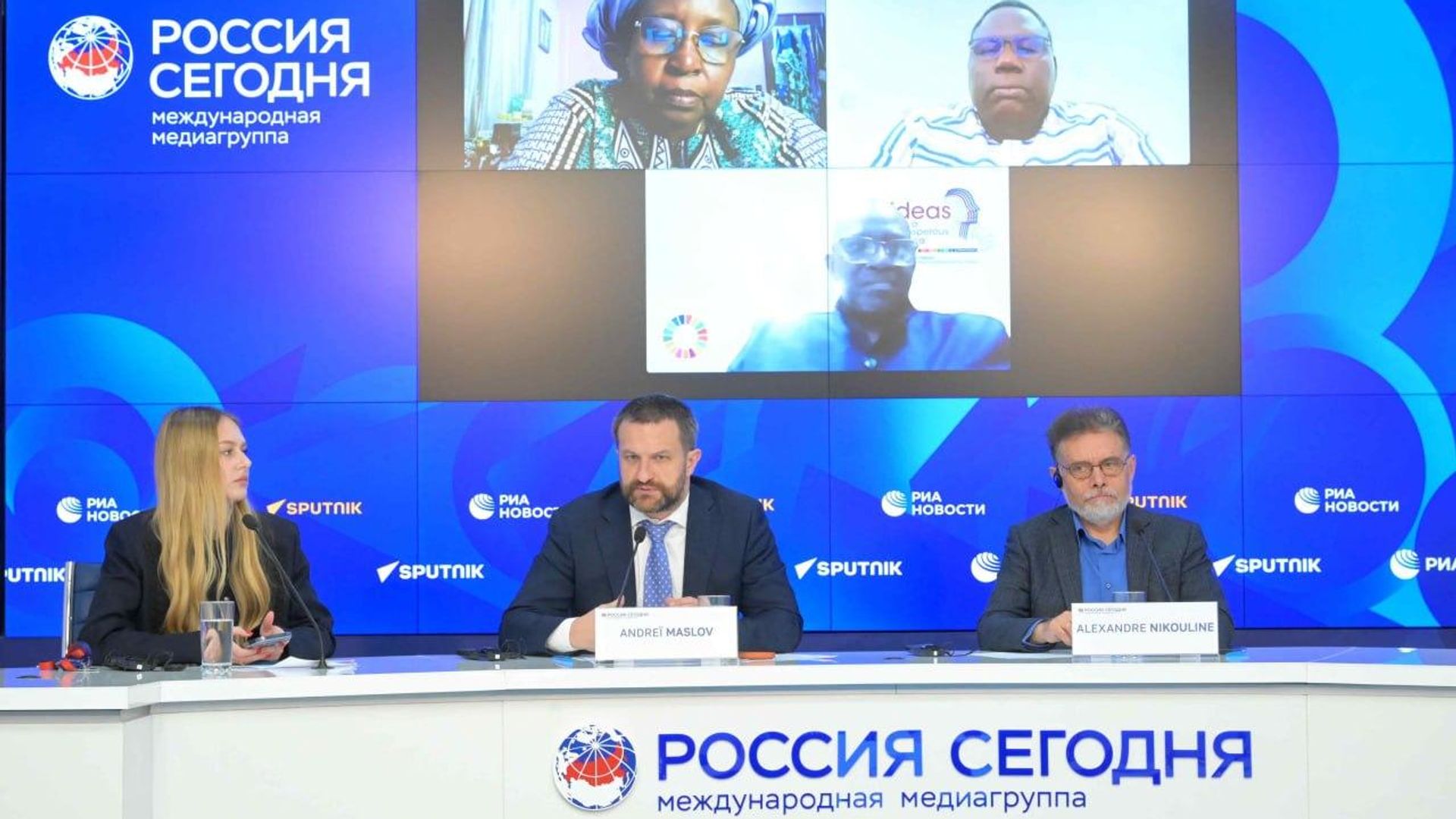
Sputnik held a roundtable discussion via videoconference linking Moscow, Ouagadougou, Niamey, and Addis Ababa. Themed "Russia-Africa Dialogue on Food Sovereignty," it offered experts an opportunity to discuss the way aspirations by African states to achieve food sovereignty and the growing global uncertainty impact Russia’s ties with Africa in key sectors involved in advancing their agricultural production capabilities in a sustained and resilient manner.Participants included Executive Director of the West and Central African Council for Agricultural Research and Development (CORAF) Moumini Savadogo, Chief of the Technology and Innovation Section at the UN Economic Commission for Africa (ECA) Mactar Seck, Director at the Africa Studies Center at the Higher School of Economics National Research University Andrei Maslov, CEO at SODIA QUALITE Fatimata Segda, Research Fellow at the National Agronomic Research Institute of Niger Zakari Mahaman Mourtala, Director at the Agrarian Research Center at the Institute of Applied Economic Research (IPEI), Russian Presidential Academy of National Economy and Public Administration (RANEPA), and Editor-in-Chief of the Russian Peasant Studies magazine Alexander Nikulin.In his remarks, Chief of the Technology and Innovation Section at the UN Economic Commission for Africa (ECA) Mactar Seck focused on Russia’s role in empowering the African continent to develop its own capabilities in agricultural production. He said that in this context, a transition from food security to food sovereignty had a lot of importance. By striving toward food sovereignty, countries can trace their own path in developing their agricultural sectors. It is for this reason that African countries needed Russia with its academic and technological expertise, including in agricultural research, fertilizer production, melioration, selection, etc., he pointed out.Director at the Africa Studies Center at the Higher School of Economics National Research University Andrei Maslov talked about the changing approach to Russia-Africa cooperation and the prospects of achieving food sovereignty. CEO at SODIA QUALITE Fatimata Segda stressed that the key challenges for African agriculture included not only the issue of food production, but also creating an environment so that the produced crops reach the consumer without compromising on their quality. Executive Director of the West and Central African Council for Agricultural Research and Development (CORAF) Moumini Savadogo contributed to the discussion by stressing the role of dialogue in enhancing Africa’s food sovereignty. The expert went on to emphasize that despite all the efforts which were being taken, there were still lingering challenges resulting from the latest international developments and related to malnutrition, water management and the distribution of agricultural products. In this connection, Mr. Savadogo called for radical changes in the way Africa seeks to ensure its food security on a system-wide basis for streamlining these processes and increasing agricultural output in African countries.Research Fellow at the National Agronomic Research Institute of Niger Zakari Mahaman Mourtala weighed in on the subject of enabling African countries to make better use of the available agricultural resources, while also stressing the need to promote institutional cooperation capabilities in Russia’s relations with Africa. The speaker also noted the importance of developing domestic and international logistics chains in order to make sure that end consumers receive quality products on time.In his remarks on food sovereignty, Director at the Agrarian Research Center of the Institute of Applied Economic Research (IPEI), Russian Presidential Academy of National Economy and Public Administration (RANEPA), and Editor-in-Chief of the Russian Peasant Studies magazine Alexander Nikulin went beyond the technological side of the matter by highlighting the social implications. The expert argued that people were moving from rural areas to the cities not only in Russia but also in African countries. The latest research on this topic provides insights into what measures could be taken to encourage young people to work in agriculture, including through educational and international cooperation, he pointed out.
africa
russia
Sputnik Africa
feedback@sputniknews.com
+74956456601
MIA „Rossiya Segodnya“
2026
Sputnik Africa
feedback@sputniknews.com
+74956456601
MIA „Rossiya Segodnya“
News
en_EN
Sputnik Africa
feedback@sputniknews.com
+74956456601
MIA „Rossiya Segodnya“
Sputnik Africa
feedback@sputniknews.com
+74956456601
MIA „Rossiya Segodnya“
africa, russia, sputnik
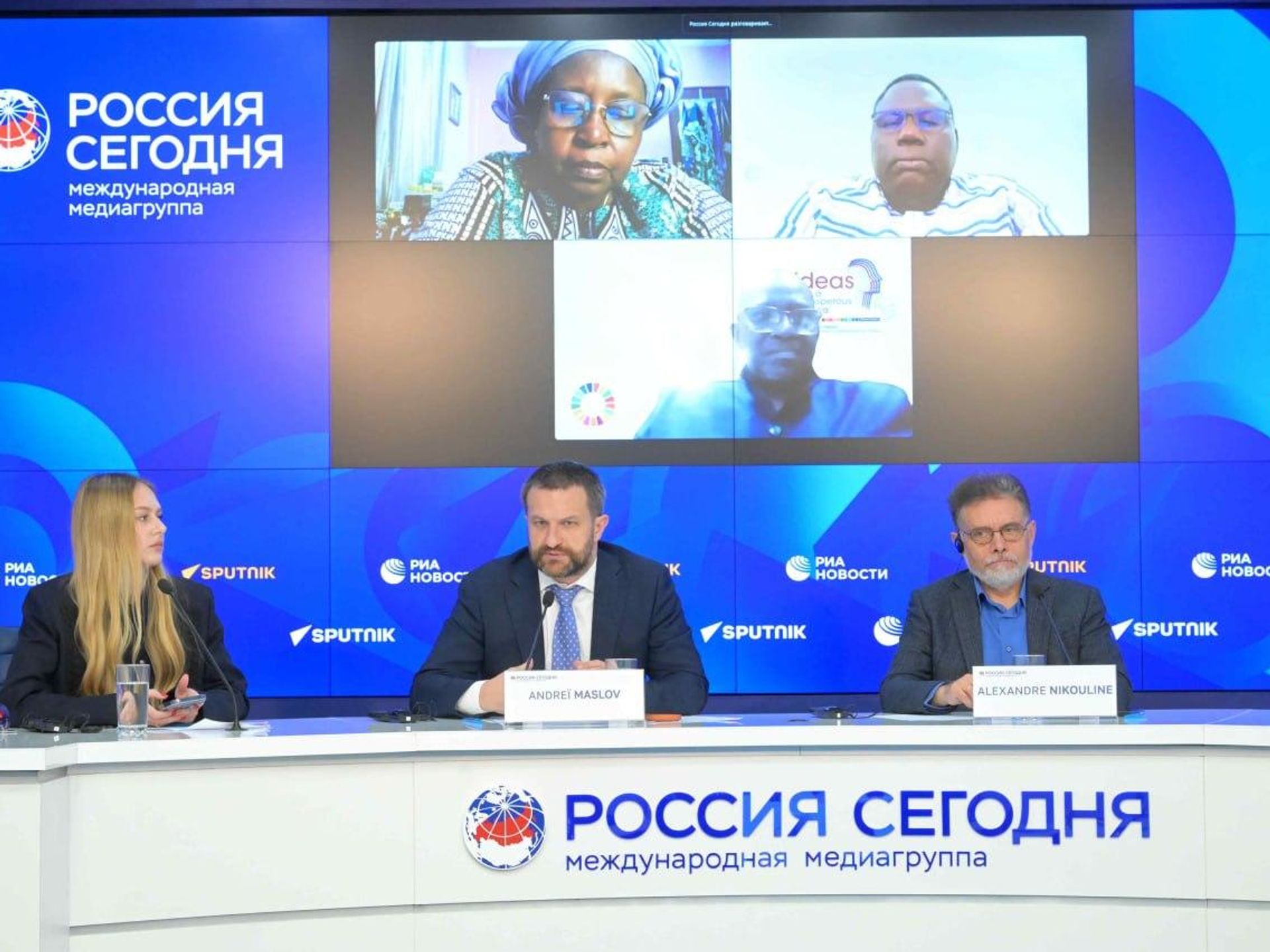
Sputnik held a roundtable discussion via videoconference linking Moscow, Ouagadougou, Niamey, and Addis Ababa. Themed "Russia-Africa Dialogue on Food Sovereignty," it offered experts an opportunity to discuss the way aspirations by African states to achieve food sovereignty and the growing global uncertainty impact Russia’s ties with Africa in key sectors involved in advancing their agricultural production capabilities in a sustained and resilient manner.
Participants included Executive Director of the West and Central African Council for Agricultural Research and Development (CORAF) Moumini Savadogo, Chief of the Technology and Innovation Section at the UN Economic Commission for Africa (ECA) Mactar Seck, Director at the Africa Studies Center at the Higher School of Economics National Research University Andrei Maslov, CEO at SODIA QUALITE Fatimata Segda, Research Fellow at the National Agronomic Research Institute of Niger Zakari Mahaman Mourtala, Director at the Agrarian Research Center at the Institute of Applied Economic Research (IPEI), Russian Presidential Academy of National Economy and Public Administration (RANEPA), and Editor-in-Chief of the Russian Peasant Studies magazine Alexander Nikulin.
In his remarks, Chief of the Technology and Innovation Section at the UN Economic Commission for Africa (ECA) Mactar Seck focused on Russia’s role in empowering the African continent to develop its own capabilities in agricultural production.
He said that in this context, a transition from food security to food sovereignty had a lot of importance. By striving toward food sovereignty, countries can trace their own path in developing their agricultural sectors. It is for this reason that African countries needed Russia with its academic and technological expertise, including in agricultural research, fertilizer production, melioration, selection, etc., he pointed out.
Director at the Africa Studies Center at the Higher School of Economics National Research University Andrei Maslov talked about the changing approach to Russia-Africa cooperation and the prospects of achieving food sovereignty.
“It is instrumental that we changed the way this dialogue is framed by turning our attention to promoting Africa’s food sovereignty. It has been receiving more imports from Russia, but from a strategic perspective the only path forward for Africa consists of becoming self-sufficient in terms of its food supply in the future. We made a significant step forward by reaching an understanding on this matter with the Africans and switching from discussing wheat and corn deliveries to devising strategies and the way to create agricultural markets in Africa, ensure agricultural production there using Russia’s competences, technology and components, as well as achieving food sovereignty,” he said.
CEO at SODIA QUALITE Fatimata Segda stressed that the key challenges for African agriculture included not only the issue of food production, but also creating an environment so that the produced crops reach the consumer without compromising on their quality.
“Quantity is not the only way to measure how much agricultural products we can make since the quality of these products is defined by our ability to process these products, preserve them and guarantee the required standard of quality,” she pointed out.
Executive Director of the West and Central African Council for Agricultural Research and Development (CORAF) Moumini Savadogo contributed to the discussion by stressing the role of dialogue in enhancing Africa’s food sovereignty.
The expert went on to emphasize that despite all the efforts which were being taken, there were still lingering challenges resulting from the latest international developments and related to malnutrition, water management and the distribution of agricultural products. In this connection, Mr. Savadogo called for radical changes in the way Africa seeks to ensure its food security on a system-wide basis for streamlining these processes and increasing agricultural output in African countries.
Research Fellow at the National Agronomic Research Institute of Niger Zakari Mahaman Mourtala weighed in on the subject of enabling African countries to make better use of the available agricultural resources, while also stressing the need to promote institutional cooperation capabilities in Russia’s relations with Africa. The speaker also noted the importance of developing domestic and international logistics chains in order to make sure that end consumers receive quality products on time.
In his remarks on food sovereignty, Director at the Agrarian Research Center of the Institute of Applied Economic Research (IPEI), Russian Presidential Academy of National Economy and Public Administration (RANEPA), and Editor-in-Chief of the Russian Peasant Studies magazine Alexander Nikulin went beyond the technological side of the matter by highlighting the social implications. The expert argued that people were moving from rural areas to the cities not only in Russia but also in African countries. The latest research on this topic provides insights into what measures could be taken to encourage young people to work in agriculture, including through educational and international cooperation, he pointed out.