https://en.sputniknews.africa/20261015/choke-points--warships-why-hormuz-syndrome-is-rewriting-naval-power-across-africa-1089978596.html
Choke Points & Warships: Why 'Hormuz Syndrome' is Rewriting Naval Power Across Africa
Choke Points & Warships: Why 'Hormuz Syndrome' is Rewriting Naval Power Across Africa
Sputnik Africa
The recent disruptions in the Red Sea and the Strait of Hormuz have demonstrated that no African economy is immune to maritime choke-point risks. 15.10.2026, Sputnik Africa
2026-10-15T12:11+0200
2026-10-15T12:11+0200
2026-10-15T12:11+0200
redrawn africa
red sea
strait of hormuz
algeria
egypt
global south
africa
sputnik africa
podcasts
maritime
https://cdn1.img.sputniknews.africa/img/07ea/0a/0f/1089979564_0:275:1255:980_1920x0_80_0_0_a011c5c5e960641e86ff00b944abeb9c.jpg
Choke Points & Warships: Why the 'Hormuz Syndrome' Is Rewriting Naval Power Across Africa
Sputnik Africa
The recent disruptions in the Red Sea and the Strait of Hormuz have demonstrated that no African economy is immune to maritime choke-point risks.
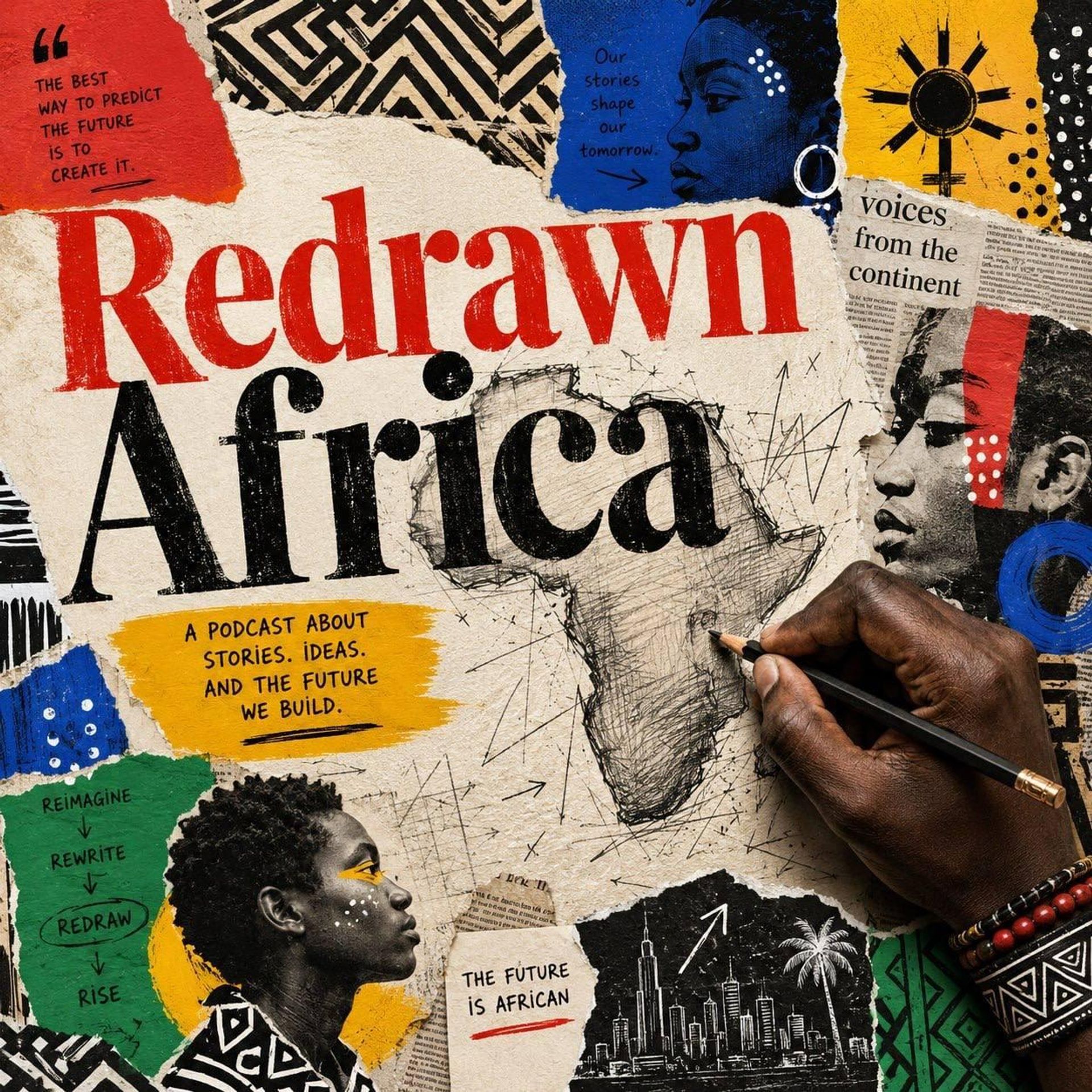
A development many military analysts have dubbed the "Hormuz Syndrome," as emerging economies are increasingly recognizing that robust naval power is no longer a luxury but a vital component of national security insurance.This shift comes as critical global trade routes face frequent weaponization and blockades.Speaking on this episode of the Redrawn Africa podcast, an African security and forensic psychologist, Dr. Joan Swart, challenged the continent's current approach to maritime defense.Dr. Swart argues that rather than debating whether African states need navies, the focus should shift to identifying the specific types of naval capabilities required and determining if the continent can pursue these goals collectively.► You can also listen to our podcast on Apple Podcasts, Spotify, Deezer, Castbox, Pocket Casts, Afripods, Podcast Addict, and Overcast.► Check out all the episodes of Redrawn Africa Podcast
red sea
strait of hormuz
algeria
egypt
africa
southern africa
north africa
west africa
east africa
central africa
Sputnik Africa
feedback@sputniknews.com
+74956456601
MIA „Rossiya Segodnya“
2026
Peace Chikodinaka Eze
https://cdn1.img.sputniknews.africa/img/07ea/07/14/1087666994_0:0:1040:1039_100x100_80_0_0_ce95af38315d6d9eb7e0f75a60df0788.jpg
Peace Chikodinaka Eze
https://cdn1.img.sputniknews.africa/img/07ea/07/14/1087666994_0:0:1040:1039_100x100_80_0_0_ce95af38315d6d9eb7e0f75a60df0788.jpg
News
en_EN
Sputnik Africa
feedback@sputniknews.com
+74956456601
MIA „Rossiya Segodnya“
Sputnik Africa
feedback@sputniknews.com
+74956456601
MIA „Rossiya Segodnya“
Peace Chikodinaka Eze
https://cdn1.img.sputniknews.africa/img/07ea/07/14/1087666994_0:0:1040:1039_100x100_80_0_0_ce95af38315d6d9eb7e0f75a60df0788.jpg
red sea, strait of hormuz, algeria, egypt, global south, africa, sputnik africa, podcasts, maritime, water security, southern africa, north africa, west africa, east africa, central africa, аудио
red sea, strait of hormuz, algeria, egypt, global south, africa, sputnik africa, podcasts, maritime, water security, southern africa, north africa, west africa, east africa, central africa, аудио
Choke Points & Warships: Why 'Hormuz Syndrome' is Rewriting Naval Power Across Africa
The recent disruptions in the Red Sea and the Strait of Hormuz have demonstrated that no African economy is immune to maritime choke-point risks.
A development many military analysts have dubbed the "Hormuz Syndrome," as emerging economies are increasingly recognizing that robust naval power is no longer a luxury but a vital component of national security insurance.
This shift comes as critical global trade routes face frequent weaponization and blockades.
Speaking on this episode of the Redrawn Africa podcast, an African security and forensic psychologist, Dr. Joan Swart, challenged the continent's current approach to maritime defense.
Dr. Swart argues that rather than debating whether African states need navies, the focus should shift to identifying the specific types of naval capabilities required and determining if the continent can pursue these goals collectively.
"Seeing this kind of race and competition between Algeria and Morocco. It can either mean collective security or a more competitive regional environment. And I hope it doesn't mean that we start to compete amongst each other. Like what's happening in the Horn of Africa areas while there's a lot of competition going on. So yeah, if you have more capable navies, you can improve responses to piracy, illegal fishing, and trafficking. And threats to offshore infrastructure. So unfortunately, then, one country's defensive procurement can be interpreted by their neighbors as preparation for power projection. So I think the lesson here is that we need to try and stand together better as African countries and build our collective resources and have a collective strategy. Only then can we actually employ all of these developments for our own good across Africa," Dr. Swart said.
► Check out all the episodes of Redrawn Africa Podcast