https://en.sputniknews.africa/20261012/africas-next-energy-breakthrough-could-be-the-grid-that-connects-it-1089896144.html
Africa’s Next Energy Breakthrough Could Be the Grid That Connects It
Africa’s Next Energy Breakthrough Could Be the Grid That Connects It
Sputnik Africa
Regional power pools and cross-border electricity trading could strengthen Africa’s energy security, industrial competitiveness, and investment potential. 12.10.2026, Sputnik Africa
2026-10-12T12:42+0200
2026-10-12T12:42+0200
2026-10-12T12:42+0200
africa
zambia
malawi
https://cdn1.img.sputniknews.africa/img/07ea/0a/0c/1089895869_0:67:1280:787_1920x0_80_0_0_08ebc3c4198fe5a5685fc3a8627828cf.jpg
Africa’s next energy breakthrough may not come from building more power stations alone, but from strengthening the electricity networks that connect countries and enable power to flow across borders.As electricity demand rises and industrialization accelerates, regional power pools are emerging as critical drivers of energy security, enabling countries to share resources, improve supply reliability and create broader markets for electricity producers.Building a Continental Electricity MarketIn September 2026, the African Union Commission convened the inaugural meeting of the African Single Electricity Market’s High-Level Technical Oversight Committee in Addis Ababa, advancing efforts to integrate national electricity markets and expand cross-border power trading.Progress is already evident. Fourteen countries are interconnected through the West African Power Pool, while the Eastern Africa Power Pool recorded approximately 3,200 GWh of electricity trading in 2024, an elevenfold increase since 2010. Southern Africa also operates a competitive regional electricity market through the Southern African Power Pool.Investment is supporting this transition. In June 2026, the World Bank approved a US$1.6 billion financing package for regional energy transmission, trade and decarbonization in Eastern Africa. In July, it announced a US$43 million grant for the Zambia–Malawi Interconnector Project, aimed at strengthening electricity security and creating opportunities for regional power trading.Unlocking Southern Africa’s Industrial PotentialThe Southern African Development Community (SADC) continues to prioritize regional electricity connectivity, with projects including the Angola–Namibia, Tanzania–Zambia, Malawi–Mozambique, Mozambique–Zambia and ZIZABONA interconnectors.These projects could strengthen electricity trade between countries with different energy resources and demand patterns, supporting more reliable supply for manufacturing, mining, mineral beneficiation, and agricultural processing.However, infrastructure alone will not deliver an integrated market. Regulatory alignment, transparent pricing, investment certainty, and financially sustainable utilities remain essential to ensuring electricity can move efficiently across borders.Liz Hart, Managing Director of the Africa Energy Indaba, said regional cooperation could unlock significant opportunities for the continent.“Africa’s energy challenge is not only about generating more electricity but ensuring that power reaches where it is needed. Stronger regional electricity markets can unlock investment, improve energy security and create new opportunities for industrial growth. The priority is turning this potential into practical projects and lasting partnerships.”Regional Integration at the 2027 Africa Energy IndabaRegional power pools, cross-border electricity trading and transmission investment will feature in discussions at the 19th Africa Energy Indaba, taking place from 2–4 March 2027 at the Cape Town International Convention Centre (CTICC), South Africa.Under the theme “African Energy – Pathways to Prosperity: Connectedness and Cooperation,” the event will bring together policymakers, utilities, investors, financiers and energy developers to explore practical solutions for advancing the continent’s energy sector.As Africa pursues industrialization and seeks investment in manufacturing, mining and critical minerals, regional electricity markets offer an opportunity to improve energy security, strengthen competitiveness, and make better use of available resources.The challenge now is to turn regional ambitions into functioning markets that deliver reliable electricity and sustainable economic growth.
africa
zambia
malawi
Sputnik Africa
feedback@sputniknews.com
+74956456601
MIA „Rossiya Segodnya“
2026
Sputnik Africa
feedback@sputniknews.com
+74956456601
MIA „Rossiya Segodnya“
News
en_EN
Sputnik Africa
feedback@sputniknews.com
+74956456601
MIA „Rossiya Segodnya“
Sputnik Africa
feedback@sputniknews.com
+74956456601
MIA „Rossiya Segodnya“
africa, zambia, malawi
Africa’s Next Energy Breakthrough Could Be the Grid That Connects It
Regional power pools and cross-border electricity trading could strengthen Africa’s energy security, industrial competitiveness, and investment potential.
Africa’s next energy breakthrough may not come from building more power stations alone, but from strengthening the electricity networks that connect countries and enable power to flow across borders.
As electricity demand rises and industrialization accelerates, regional power pools are emerging as critical drivers of energy security, enabling countries to share resources, improve supply reliability and create broader markets for electricity producers.
Building a Continental Electricity Market
In September 2026, the African Union Commission convened the inaugural meeting of the African Single Electricity Market’s High-Level Technical Oversight Committee in Addis Ababa, advancing efforts to integrate national electricity markets and expand cross-border power trading.
Progress is already evident. Fourteen countries are interconnected through the West African Power Pool, while the Eastern Africa Power Pool recorded approximately 3,200 GWh of electricity trading in 2024, an elevenfold increase since 2010. Southern Africa also operates a competitive regional electricity market through the Southern African Power Pool.
Investment is supporting this transition. In June 2026, the World Bank approved a US$1.6 billion financing package for regional energy transmission, trade and decarbonization in Eastern Africa. In July, it announced a US$43 million grant for the Zambia–Malawi Interconnector Project, aimed at strengthening electricity security and creating opportunities for regional power trading.
Unlocking Southern Africa’s Industrial Potential
The Southern African Development Community (SADC) continues to prioritize regional electricity connectivity, with projects including the Angola–Namibia, Tanzania–Zambia, Malawi–Mozambique, Mozambique–Zambia and ZIZABONA interconnectors.
These projects could strengthen electricity trade between countries with different energy resources and demand patterns, supporting more reliable supply for manufacturing, mining, mineral beneficiation, and agricultural processing.
However, infrastructure alone will not deliver an integrated market. Regulatory alignment, transparent pricing, investment certainty, and financially sustainable utilities remain essential to ensuring electricity can move efficiently across borders.
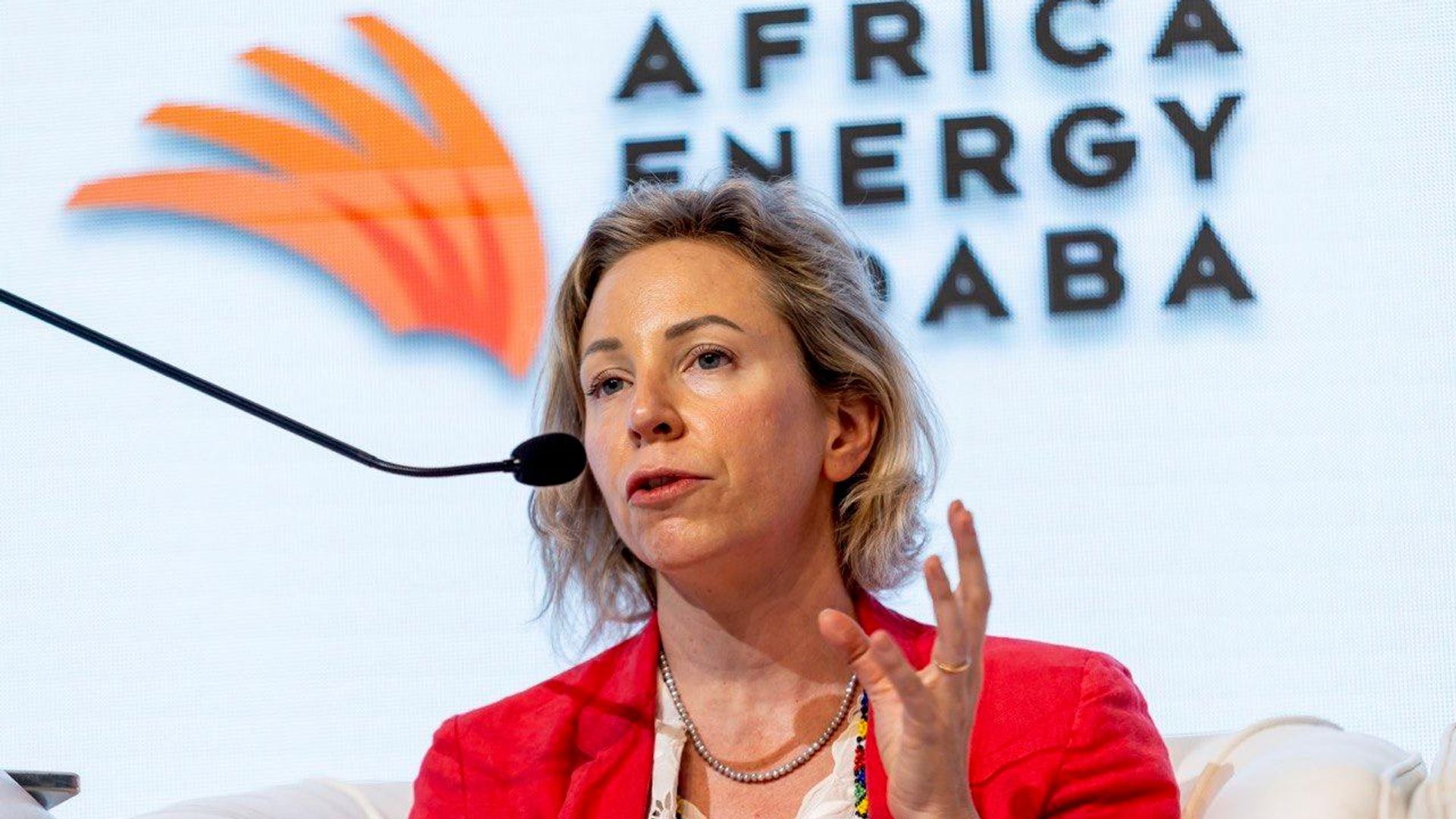
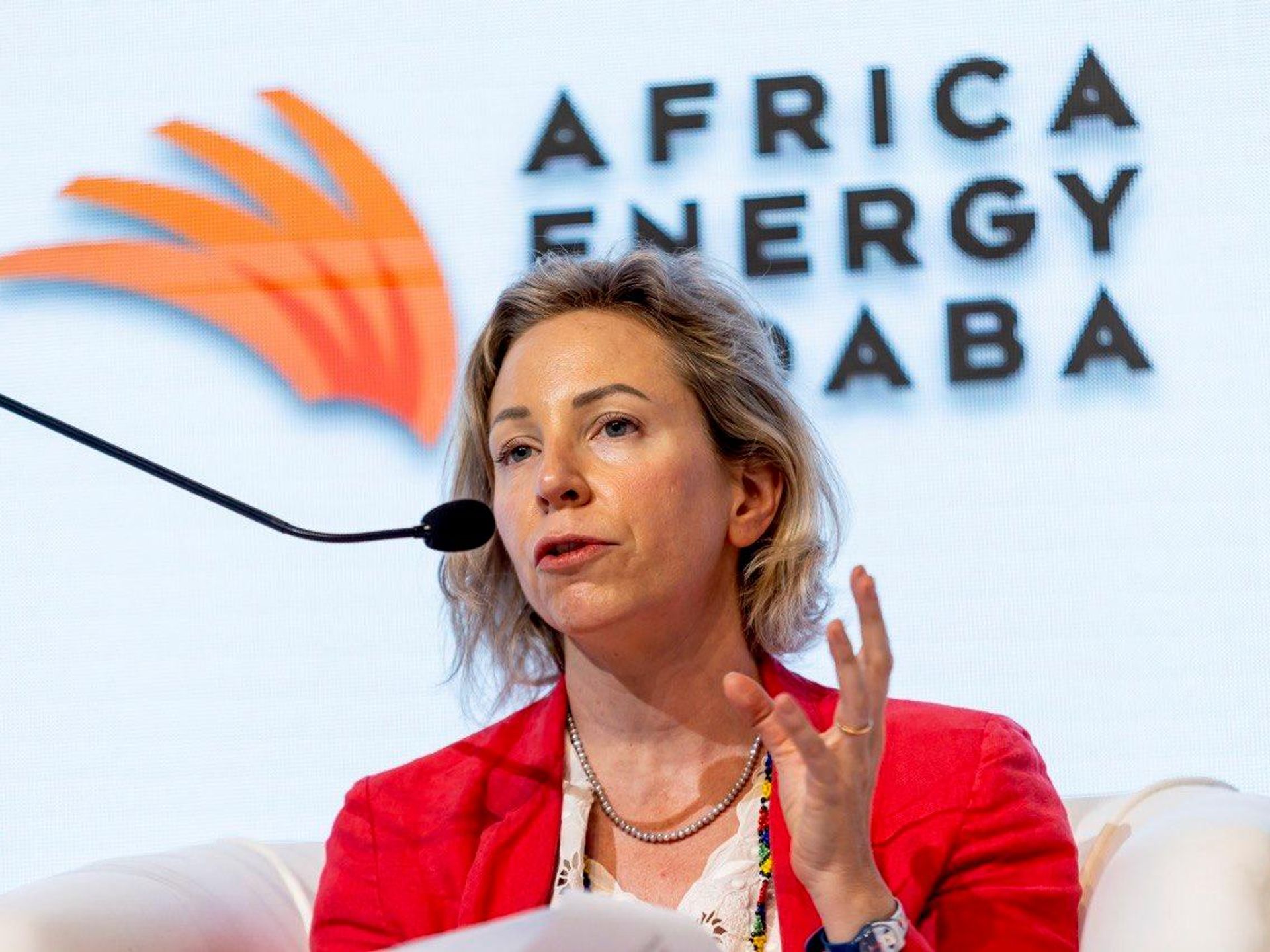
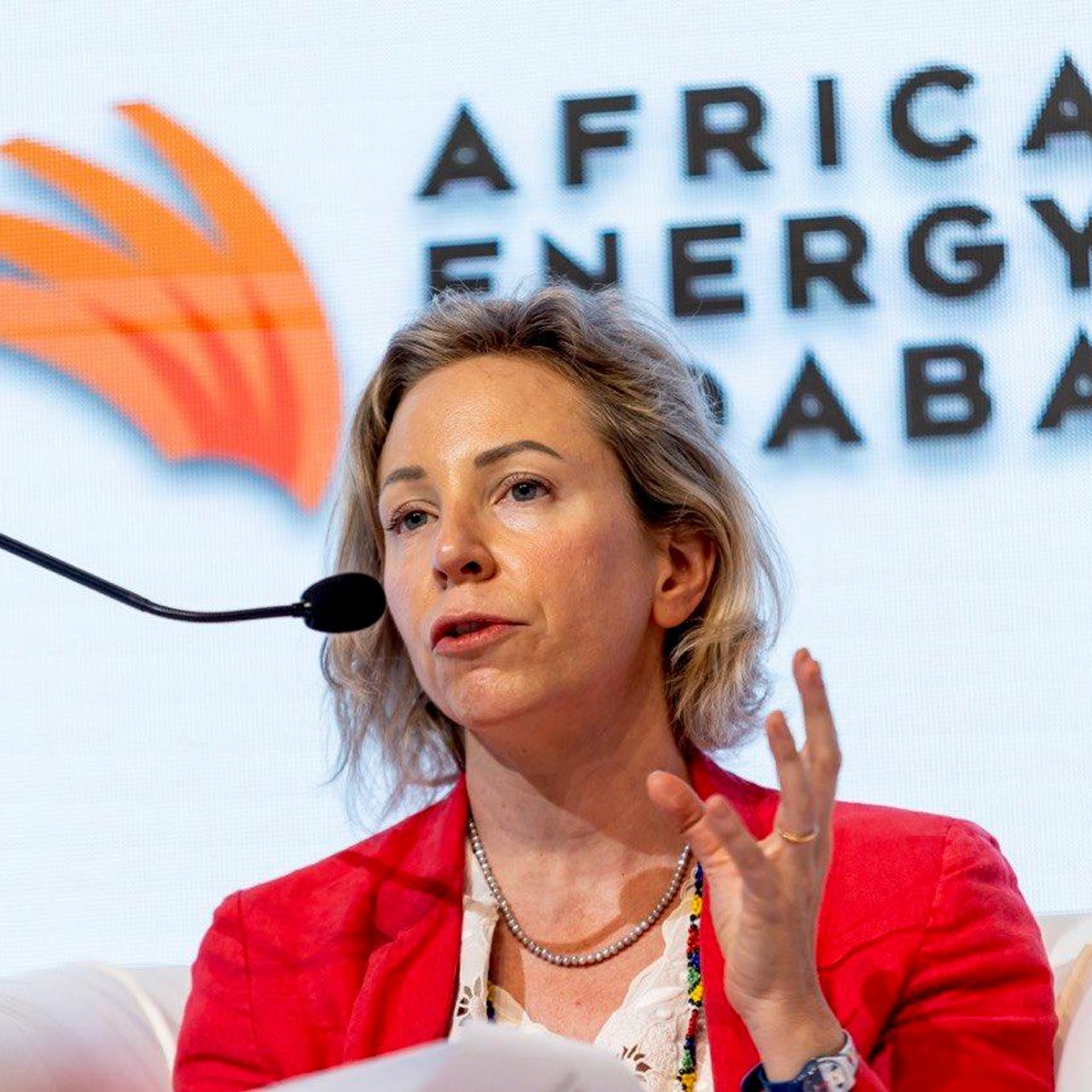
Liz Hart, Managing Director of the
Africa Energy Indaba, said regional cooperation could unlock significant opportunities for the continent.
“Africa’s energy challenge is not only about generating more electricity but ensuring that power reaches where it is needed. Stronger regional electricity markets can unlock investment, improve energy security and create new opportunities for industrial growth. The priority is turning this potential into practical projects and lasting partnerships.”
Regional Integration at the 2027 Africa Energy Indaba
Regional power pools, cross-border electricity trading and transmission investment will feature in discussions at the 19th
Africa Energy Indaba, taking place from 2–4 March 2027 at the Cape Town International Convention Centre (CTICC), South Africa.
Under the theme “African Energy – Pathways to Prosperity: Connectedness and Cooperation,” the event will bring together policymakers, utilities, investors, financiers and energy developers to explore practical solutions for advancing the continent’s energy sector.
As Africa pursues industrialization and seeks investment in manufacturing, mining and critical minerals, regional electricity markets offer an opportunity to improve energy security, strengthen competitiveness, and make better use of available resources.
The challenge now is to turn regional ambitions into functioning markets that deliver reliable electricity and sustainable economic growth.