https://en.sputniknews.africa/20261008/africa-is-not-poor-but-chronically-undervalued-senegalese-expert-says-1089805184.html
Africa is Not Poor, But “Chronically Undervalued,” Senegalese Expert Says
Africa is Not Poor, But “Chronically Undervalued,” Senegalese Expert Says
Sputnik Africa
Africa’s global image has long been shaped by stories of poverty, conflict, and crisis, while its economic potential, innovation, and human capital often... 08.10.2026, Sputnik Africa
2026-10-08T16:26+0200
2026-10-08T16:26+0200
2026-10-08T16:26+0200
global south pole
africa
podcasts
globalization
global south
propaganda
media
economy
innovation
sovereignty
https://cdn1.img.sputniknews.africa/img/07ea/0a/08/1089806467_0:0:1281:720_1920x0_80_0_0_a03cf9f8f4fe9c1e6946afc78fd6fc52.jpg
Africa is Not Poor, But “Chronically Undervalued,” Senegalese Expert Says
Sputnik Africa
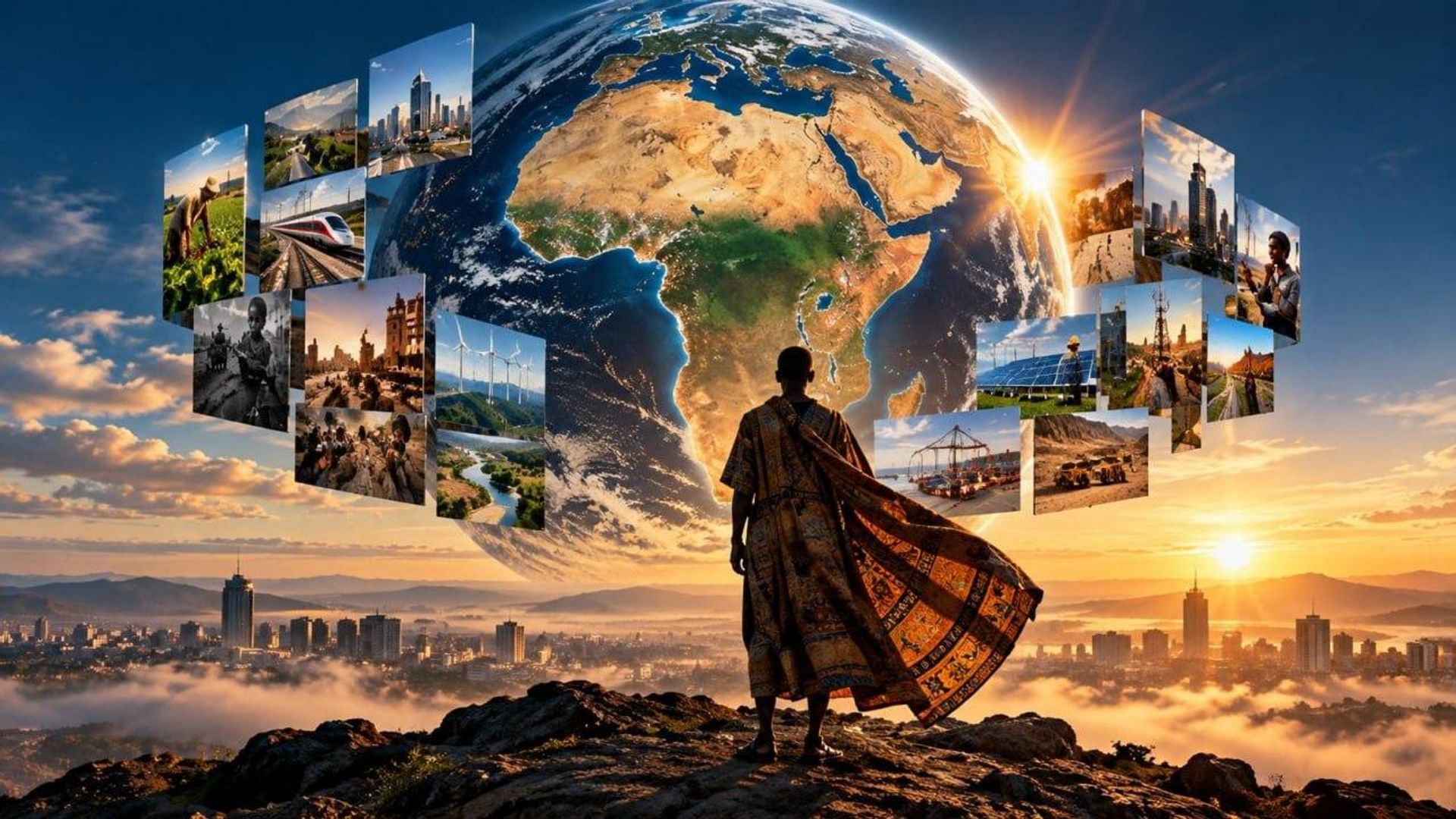
Africa’s global image has long been shaped by stories of poverty, conflict, and crisis, while its economic potential, innovation, and human capital often receive less attention. As the continent seeks greater investment and integration, these narratives increasingly shape how its opportunities, risks, and resources are understood and valued today.
The issue goes beyond media representation. The way Africa is described can influence perceptions of risk, investment decisions, and the value assigned to assets that already exist across the continent. At the same time, the rise of African media, digital platforms, and creative industries is creating new opportunities to shape how the continent is understood.Global South Pole engaged Idrissa Diabira, founder of SherpAfrica, an advisory firm focused on economic development, institutional transformation, and unlocking Africa’s economic potential, to discuss how narratives shape perceptions of Africa, the continent’s economic value, and its ability to turn existing resources and assets into capital.Diabira argued that narratives can become systems of power because they influence what people see, the value they assign to it, and the decisions they subsequently make. He said Africa is not simply poor but is “chronically undervalued,” with significant economic and social assets remaining difficult to convert into finance because they are not sufficiently visible or recognized by existing systems. He also stressed that narrative sovereignty should not mean replacing negative portrayals with exaggerated optimism but building the capacity to present a more accurate and complex picture of Africa.To listen to the whole discussion, tune in to the Global South Pole podcast, brought to you by Sputnik Africa.In addition to the website, you can also catch our episodes on Telegram.► You can also listen to our podcast on Apple Podcasts, Spotify, Deezer, Castbox, Pocket Casts, Afripods, Podcast Addict, Overcast, and Mave Stream.► Check out all the episodes of Global South Pole
africa
Sputnik Africa
feedback@sputniknews.com
+74956456601
MIA „Rossiya Segodnya“
2026
Aliyu Bello
https://cdn1.img.sputniknews.africa/img/07e9/0a/16/1079780916_214:0:1067:853_100x100_80_0_0_4bd8916543c40cbb732ddb736f79e903.jpg
Aliyu Bello
https://cdn1.img.sputniknews.africa/img/07e9/0a/16/1079780916_214:0:1067:853_100x100_80_0_0_4bd8916543c40cbb732ddb736f79e903.jpg
News
en_EN
Sputnik Africa
feedback@sputniknews.com
+74956456601
MIA „Rossiya Segodnya“
Sputnik Africa
feedback@sputniknews.com
+74956456601
MIA „Rossiya Segodnya“
Aliyu Bello
https://cdn1.img.sputniknews.africa/img/07e9/0a/16/1079780916_214:0:1067:853_100x100_80_0_0_4bd8916543c40cbb732ddb736f79e903.jpg
africa, podcasts, globalization, global south, propaganda, media, economy, innovation, sovereignty, movies, аудио
africa, podcasts, globalization, global south, propaganda, media, economy, innovation, sovereignty, movies, аудио
Africa is Not Poor, But “Chronically Undervalued,” Senegalese Expert Says
Aliyu Bello
Correspondent, Podcast Host
Africa’s global image has long been shaped by stories of poverty, conflict, and crisis, while its economic potential, innovation, and human capital often receive less attention. As the continent seeks greater investment and integration, these narratives increasingly shape how its opportunities, risks, and resources are understood and valued today.
The issue goes beyond media representation. The way Africa is described can influence perceptions of risk, investment decisions, and the value assigned to assets that already exist across the continent. At the same time, the rise of African media, digital platforms, and creative industries is creating new opportunities to shape how the continent is understood.
Global South Pole engaged Idrissa Diabira, founder of SherpAfrica, an advisory firm focused on economic development, institutional transformation, and unlocking Africa’s economic potential, to discuss how narratives shape perceptions of Africa, the continent’s economic value, and its ability to turn existing resources and assets into capital.
Diabira argued that narratives can become systems of power because they influence what people see, the value they assign to it, and the decisions they subsequently make. He said Africa is not simply poor but is “chronically undervalued,” with significant economic and social assets remaining difficult to convert into finance because they are not sufficiently visible or recognized by existing systems. He also stressed that narrative sovereignty should not mean replacing negative portrayals with exaggerated optimism but building the capacity to present a more accurate and complex picture of Africa.
"Africa can have a common narrative architecture while it does not only stay in a negative or positive narrative. The need is to have an accurate narrative. Narrative sovereignty means being able to show both vulnerabilities, because they exist and we have to solve them, and more capabilities because we are investing in our capabilities. A credible African narrative should be neither pessimistic nor optimistic. It should be sovereign enough to be complex. And this is the complexity of Africa that we must highlight. This is how we can move from where we are, or where people see Africa, to what our potential can provide us and can give us," Diabira said.
To listen to the whole discussion, tune in to the
Global South Pole podcast, brought to you by
Sputnik Africa.In addition to the website, you can also catch our episodes on
Telegram.► Check out all the episodes of Global South Pole