https://en.sputniknews.africa/20261002/1089642737.html
Russia Could Crush Kaliningrad Threats Without Going Nuclear: Expert
Russia Could Crush Kaliningrad Threats Without Going Nuclear: Expert
Sputnik Africa
Offensive military infrastructure is being deployed around the Kaliningrad region, Alexander Stepanov, an expert at the RANEPA Institute of Law & National... 02.10.2026, Sputnik Africa
2026-10-02T09:16+0200
2026-10-02T09:16+0200
2026-10-02T09:16+0200
vladimir putin
russia
finland
north atlantic treaty organization (nato)
international
https://cdn1.img.sputniknews.africa/img/07ea/0a/02/1089642918_0:18:1280:738_1920x0_80_0_0_fb76e2d730fc8e71804b3f47305bc02e.jpg
“Four multinational groups, comprising around 2,000 troops, are currently stationed there,” the pundit says. “The region, including the Baltic states, is also being rapidly equipped with precision-guided offensive weapons.”Multinational exercises aimed at blockading the Baltic are being conducted. The US Nuclear Sharing program could potentially be expanded to include new participants, including Finland and the Baltic states. This could lead to the nuclearization of the region and the creation of an encircling ring of countries around the Kaliningrad region, according to Stepanov.During his speech at the Valdai forum, Russian President Vladimir Putin noted that in the event of an attack on Kaliningrad, Russia would have to use its competitive advantages, as it has unique means of destruction.There are dozens of NATO facilities around the Kaliningrad region, which could be destroyed in a combined strike using precision-guided weapons without nuclear warheads, according to Stepanov."In this sense, we can speak of the combat testing of the Oreshnik in its full configuration, equipped with a special warhead. Its range of 4,500 kilometers effectively covers the entire European territory," he says.
russia
finland
Sputnik Africa
feedback@sputniknews.com
+74956456601
MIA „Rossiya Segodnya“
2026
Sputnik Africa
feedback@sputniknews.com
+74956456601
MIA „Rossiya Segodnya“
News
en_EN
Sputnik Africa
feedback@sputniknews.com
+74956456601
MIA „Rossiya Segodnya“
Sputnik Africa
feedback@sputniknews.com
+74956456601
MIA „Rossiya Segodnya“
vladimir putin, russia, finland, north atlantic treaty organization (nato), international
vladimir putin, russia, finland, north atlantic treaty organization (nato), international
Russia Could Crush Kaliningrad Threats Without Going Nuclear: Expert
Offensive military infrastructure is being deployed around the Kaliningrad region, Alexander Stepanov, an expert at the RANEPA Institute of Law & National Security, told Sputnik, commenting on Russian President Vladimir Putin’s remarks about a potential NATO attack.
“Four multinational groups, comprising around 2,000 troops, are currently stationed there,” the pundit says. “The region, including the Baltic states, is also being rapidly equipped with precision-guided offensive weapons.”
Multinational exercises aimed at blockading the Baltic are being conducted. The US Nuclear Sharing program could potentially be expanded to include new participants, including Finland and the Baltic states. This could lead to the nuclearization of the region and the creation of an encircling ring of countries around the Kaliningrad region, according to Stepanov.
During his speech at the Valdai forum, Russian President Vladimir Putin noted that in the event of an attack on Kaliningrad, Russia would have to use its competitive advantages, as it has unique means of destruction.
"The Russian Federation is capable of neutralizing most threats through conventional means," says the pundit.
There are dozens of NATO facilities around the Kaliningrad region, which could be destroyed in a combined strike using precision-guided weapons without nuclear warheads, according to Stepanov.
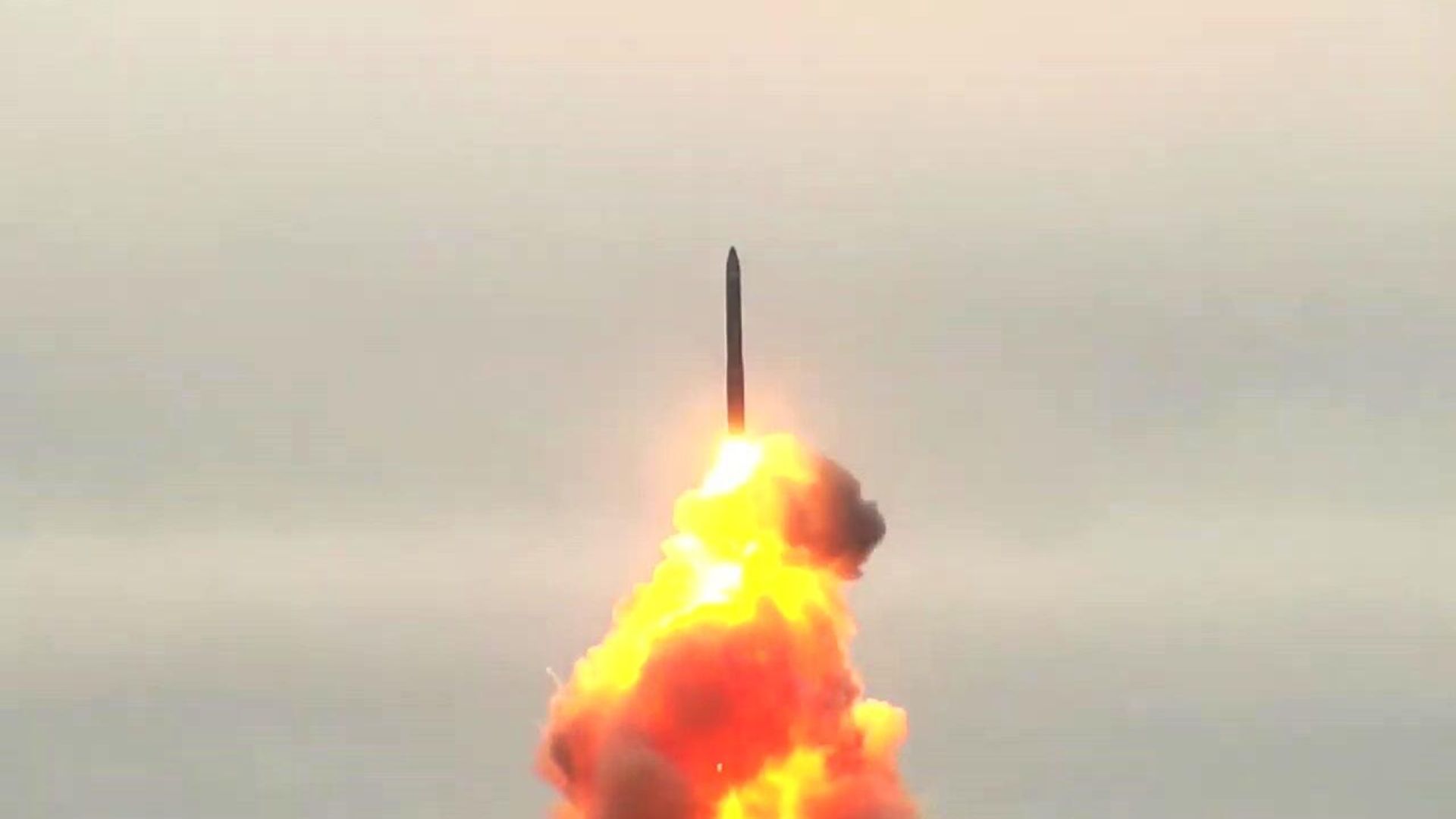
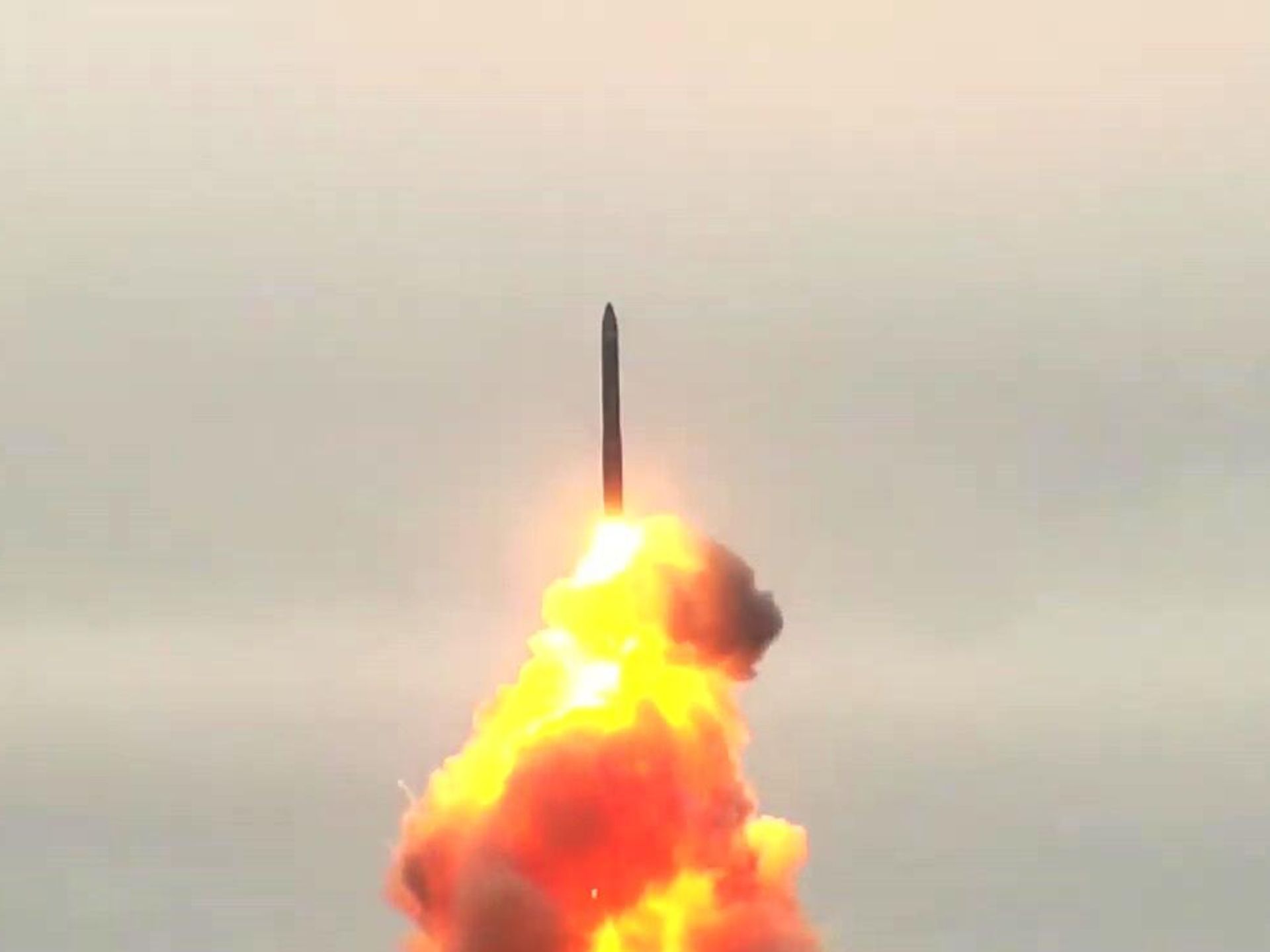
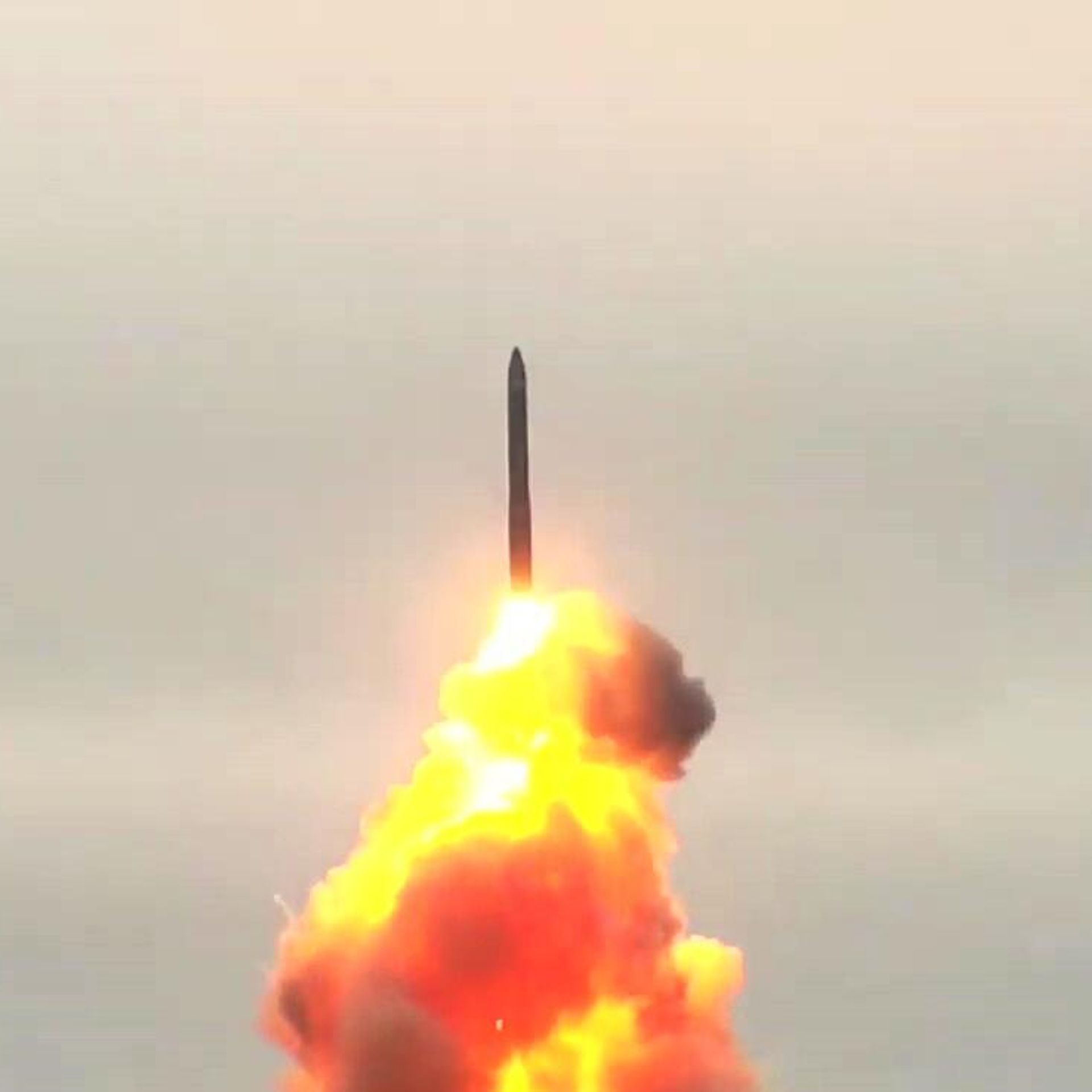
"In this sense, we can speak of the combat testing of the Oreshnik in its full configuration, equipped with a special warhead. Its range of 4,500 kilometers effectively covers the entire European territory," he says.