https://en.sputniknews.africa/20260929/why-african-data-matters-in-future-of-medical-ai-1089522916.html
Why African Data Matters in Future of Medical AI
Why African Data Matters in Future of Medical AI
Sputnik Africa
Artificial intelligence is used to study diseases, predict outbreaks, and support medical research, but its effectiveness depends on the data used to train it... 29.09.2026, Sputnik Africa
2026-09-29T11:00+0200
2026-09-29T11:00+0200
2026-09-30T10:52+0200
global south pole
africa
nigeria
podcasts
artificial intelligence (ai)
genetics
generic drugs
healthcare
heath
health insurance
https://cdn1.img.sputniknews.africa/img/07ea/09/1c/1089529023_0:0:1536:864_1920x0_80_0_0_3856c0310b2aaecc7c82b2939c9d9760.jpg
Why African Data Matters in Future of Medical AI
Sputnik Africa
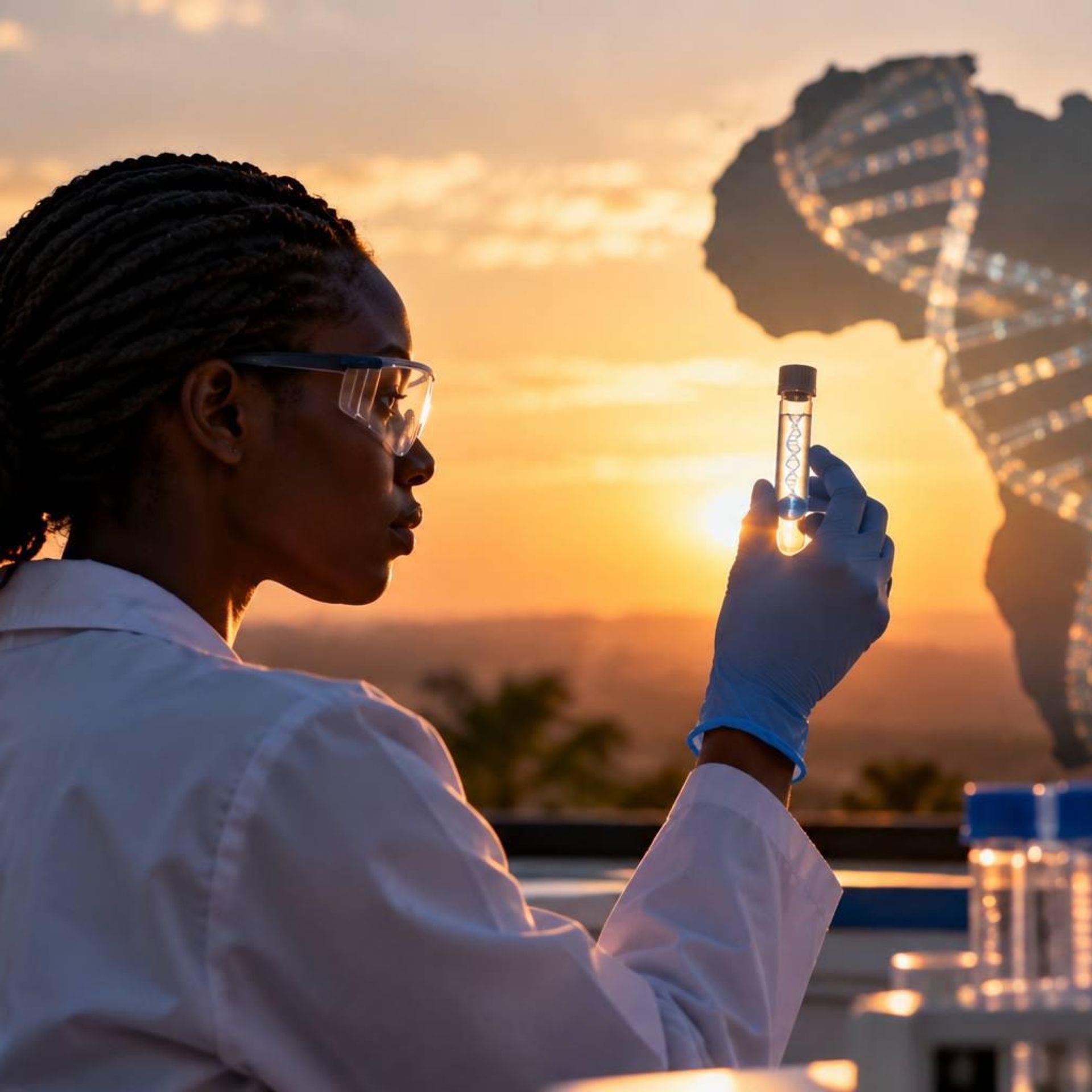
Artificial intelligence is used to study diseases, predict outbreaks, and support medical research, but its effectiveness depends on the data used to train it. With African populations underrepresented in global genomic datasets, questions remain over how accurately AI systems reflect the continent’s genetic diversity and public health realities.
The data gap could have consequences for disease diagnosis, outbreak prediction, treatment, and the detection of antimicrobial resistance. In one example discussed during the program, a model for predicting ciprofloxacin resistance reportedly achieved about 75% accuracy in England but around 50% when applied to African data. Global South Pole spoke to Dr. Oladipo Elijah Kolawole, an associate professor of infectious diseases, molecular biology, bioinformatics, and genomics at Adeleke University in southwestern Nigeria and founder and principal investigator of the Helix Biogen Institute in Ogbomoso. Kolawole said AI models trained predominantly on data from other populations may not adequately capture Africa’s biological diversity, potentially limiting their usefulness when applied to African populations. He argued that the continent needs to generate more of its own genomic data and use it to train models that are more specific to African populations and health conditions.To listen to the whole discussion, tune in to the Global South Pole podcast, brought to you by Sputnik Africa.In addition to the website, you can also catch our episodes on Telegram.► You can also listen to our podcast on Apple Podcasts, Spotify, Deezer, Castbox, Pocket Casts, Afripods, Podcast Addict, Overcast, and Mave Stream.► Check out all the episodes of Global South Pole
africa
nigeria
Sputnik Africa
feedback@sputniknews.com
+74956456601
MIA „Rossiya Segodnya“
2026
Aliyu Bello
https://cdn1.img.sputniknews.africa/img/07e9/0a/16/1079780916_214:0:1067:853_100x100_80_0_0_4bd8916543c40cbb732ddb736f79e903.jpg
Aliyu Bello
https://cdn1.img.sputniknews.africa/img/07e9/0a/16/1079780916_214:0:1067:853_100x100_80_0_0_4bd8916543c40cbb732ddb736f79e903.jpg
News
en_EN
Sputnik Africa
feedback@sputniknews.com
+74956456601
MIA „Rossiya Segodnya“
Sputnik Africa
feedback@sputniknews.com
+74956456601
MIA „Rossiya Segodnya“
Aliyu Bello
https://cdn1.img.sputniknews.africa/img/07e9/0a/16/1079780916_214:0:1067:853_100x100_80_0_0_4bd8916543c40cbb732ddb736f79e903.jpg
africa, nigeria, podcasts, artificial intelligence (ai), genetics, generic drugs, healthcare, heath, health insurance, research, data, cooperation, africa cdc, ebola, covid-19, discovery, hiv/aids, medicine, biomedicine, biology, biotechnology, innovation, аудио
africa, nigeria, podcasts, artificial intelligence (ai), genetics, generic drugs, healthcare, heath, health insurance, research, data, cooperation, africa cdc, ebola, covid-19, discovery, hiv/aids, medicine, biomedicine, biology, biotechnology, innovation, аудио
Why African Data Matters in Future of Medical AI
Aliyu Bello
Correspondent, Podcast Host
Artificial intelligence is used to study diseases, predict outbreaks, and support medical research, but its effectiveness depends on the data used to train it. With African populations underrepresented in global genomic datasets, questions remain over how accurately AI systems reflect the continent’s genetic diversity and public health realities.
The data gap could have consequences for disease diagnosis, outbreak prediction, treatment, and the detection of antimicrobial resistance. In one example discussed during the program, a model for predicting ciprofloxacin resistance reportedly achieved about 75% accuracy in England but around 50% when applied to African data.
Global South Pole spoke to Dr. Oladipo Elijah Kolawole, an associate professor of infectious diseases, molecular biology, bioinformatics, and genomics at Adeleke University in southwestern Nigeria and founder and principal investigator of the Helix Biogen Institute in Ogbomoso.
Kolawole said AI models trained predominantly on data from other populations may not adequately capture Africa’s biological diversity, potentially limiting their usefulness when applied to African populations. He argued that the continent needs to generate more of its own genomic data and use it to train models that are more specific to African populations and health conditions.
"If you look at most of the databases that we are working with, like you spoke about, we have little or few data sets of Africans that are there. And because we have the highest diversified genetic components in the world [...] it means that prediction in terms of diagnosis will not be accurate. It means the treatments in terms of accuracy will not be accurate. We need to go back as an African, not as an other entity, to develop our own personalized model that we're going to use—an African data model. We're going to use the African data set to train the model so that we can have something that is specific to us and sensitive to us. Even when it comes to diagnostics, we need our own data to train, to develop, and to model for us to have a better position," Dr. Kolawole stressed.
To listen to the whole discussion, tune in to the
Global South Pole podcast, brought to you by
Sputnik Africa.In addition to the website, you can also catch our episodes on
Telegram.► Check out all the episodes of Global South Pole