https://en.sputniknews.africa/20260929/russia-africa-research-partnerships-model-for-multipolar-world-built-on-trust-1089560541.html
Russia-Africa Research Partnerships: Model for Multipolar World Built on Trust
Russia-Africa Research Partnerships: Model for Multipolar World Built on Trust
Sputnik Africa
The expanding network of African-Russian scientific partnerships is demonstrating that the multipolar world is not merely a geopolitical concept—it is a lived... 29.09.2026, Sputnik Africa
2026-09-29T17:23+0200
2026-09-29T17:23+0200
2026-09-29T17:39+0200
redrawn africa
russia
africa
research
university
partnership
exchange
economy
east africa
russia-africa cooperation
https://cdn1.img.sputniknews.africa/img/07ea/09/1d/1089562520_0:275:1255:980_1920x0_80_0_0_3788408d9e640358dfa48dee7772ac57.jpg
Russia-Africa Research Partnerships: Model for Multipolar World Built on Trust
Sputnik Africa
The expanding network of African-Russian scientific partnerships is demonstrating that the multipolar world is not merely a geopolitical concept—it is a lived reality, built through concrete collaboration in laboratories, universities, and research centers across two continents.
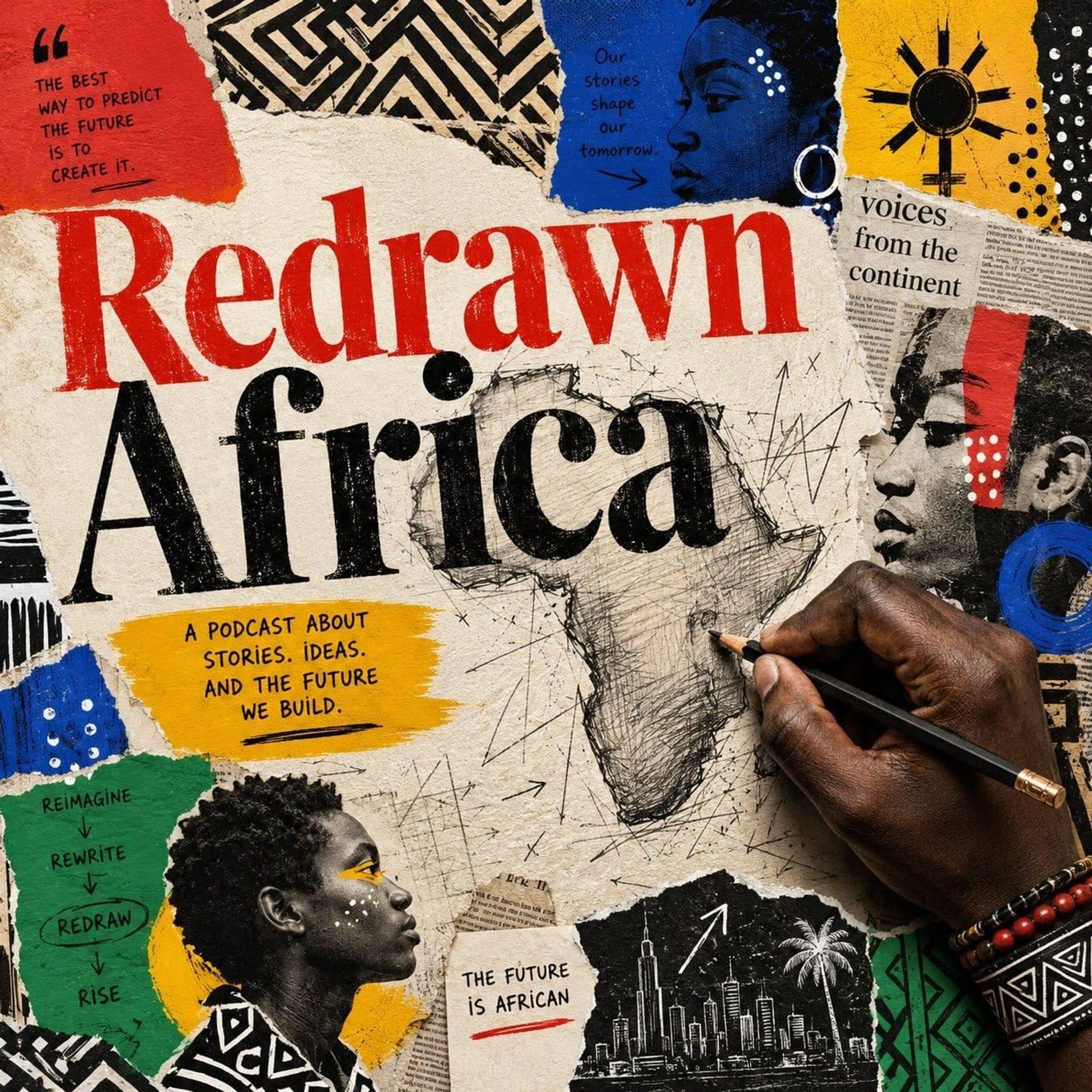
For decades, African and Russian institutions have deepened their collaborations—exchange programs, joint research projects, scholarships, and scientific agreements.In this episode of the Redrawn Africa podcast, Rasigan Maharajh, a professor of public affairs at Tshwane University of Technology and an elected member of the Academy of Science of South Africa, insists the existing partnership between Russia and Africa required celebration of progress and a roadmap for the work ahead.► You can also listen to our podcast on Apple Podcasts, Spotify, Deezer, Castbox, Pocket Casts, Afripods, Podcast Addict, and Overcast.► Check out all the episodes of Redrawn Africa Podcast
russia
africa
east africa
north africa
west africa
southern africa
Sputnik Africa
feedback@sputniknews.com
+74956456601
MIA „Rossiya Segodnya“
2026
Peace Chikodinaka Eze
https://cdn1.img.sputniknews.africa/img/07ea/07/14/1087666994_0:0:1040:1039_100x100_80_0_0_ce95af38315d6d9eb7e0f75a60df0788.jpg
Peace Chikodinaka Eze
https://cdn1.img.sputniknews.africa/img/07ea/07/14/1087666994_0:0:1040:1039_100x100_80_0_0_ce95af38315d6d9eb7e0f75a60df0788.jpg
News
en_EN
Sputnik Africa
feedback@sputniknews.com
+74956456601
MIA „Rossiya Segodnya“
Sputnik Africa
feedback@sputniknews.com
+74956456601
MIA „Rossiya Segodnya“
Peace Chikodinaka Eze
https://cdn1.img.sputniknews.africa/img/07ea/07/14/1087666994_0:0:1040:1039_100x100_80_0_0_ce95af38315d6d9eb7e0f75a60df0788.jpg
russia, africa, research, university, partnership, exchange, economy, east africa, russia-africa cooperation, north africa, west africa, southern africa, global south, podcasts, sputnik africa, sputnik, аудио
russia, africa, research, university, partnership, exchange, economy, east africa, russia-africa cooperation, north africa, west africa, southern africa, global south, podcasts, sputnik africa, sputnik, аудио
Russia-Africa Research Partnerships: Model for Multipolar World Built on Trust
The expanding network of African-Russian scientific partnerships is demonstrating that the multipolar world is not merely a geopolitical concept—it is a lived reality, built through concrete collaboration in laboratories, universities, and research centers across two continents.
For decades, African and Russian institutions have deepened their collaborations—exchange programs, joint research projects, scholarships, and scientific agreements.
In this episode of the Redrawn Africa podcast, Rasigan Maharajh, a professor of public affairs at Tshwane University of Technology and an elected member of the Academy of Science of South Africa, insists the existing partnership between Russia and Africa required celebration of progress and a roadmap for the work ahead.
"African scientists already lead in many research initiatives and actually across many scientific domains but remain relatively unknown outside the continent and outside of their respective domains of study. This invisibility is not accidental; it's a structural consequence of the global division of intellectual labor, in which the imperialist core monopolizes the means of knowledge dissemination and confers recognition selectively, thereby reproducing the subordination of peripheral knowledge producers. This holds true for how we recognize the competence within the Russian knowledge ecosystem," Prof. Maharajh says.
► Check out all the episodes of Redrawn Africa Podcast