https://en.sputniknews.africa/20260926/fertilizer-new-frontier-in-global-south-politics-1089422366.html
Fertilizer: New Frontier in Global South Politics
Fertilizer: New Frontier in Global South Politics
Sputnik Africa
Fertilizer is increasingly becoming more than an agricultural input, with its production, supply and pricing tied to energy markets, food security, and global... 26.09.2026, Sputnik Africa
2026-09-26T11:00+0200
2026-09-26T11:00+0200
2026-09-26T11:00+0200
global south pole
russia-africa cooperation
economy
middle east
russia
africa
podcasts
geopolitics
agriculture
food security
https://cdn1.img.sputniknews.africa/img/07ea/09/18/1089423203_0:0:1673:941_1920x0_80_0_0_20818ac852a3809c556f7710a0f98dbb.jpg
Fertilizer: New Frontier in Global South Politics
Sputnik Africa
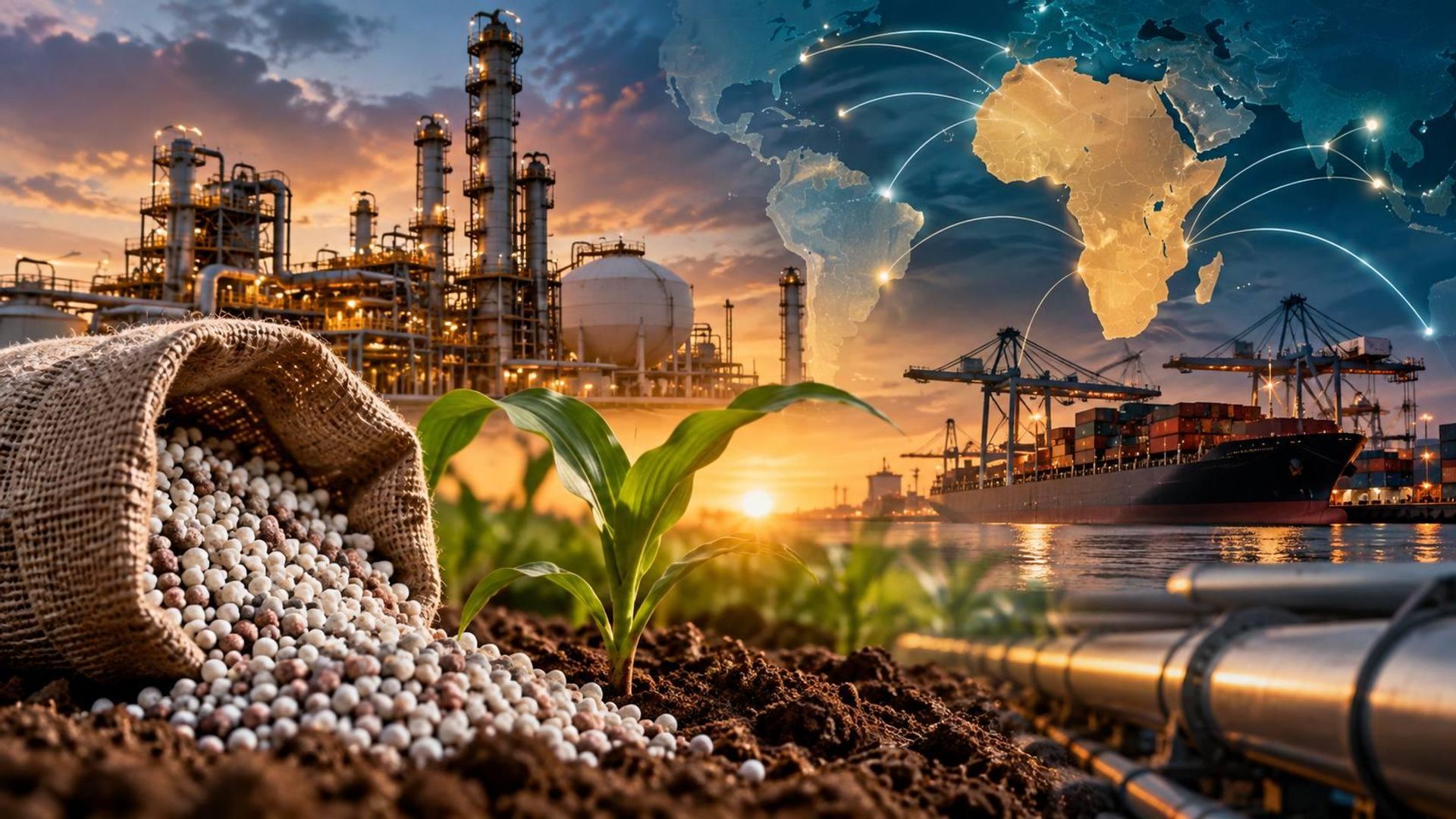
Fertilizer is increasingly becoming more than an agricultural input, with its production, supply and pricing tied to energy markets, food security, and global trade. As disruptions to gas supplies and international trade routes continue to expose vulnerabilities, fertilizer is taking on a growing strategic importance for countries across the world.
Because nitrogen fertilizer depends heavily on natural gas, shocks in energy markets can quickly translate into higher fertilizer production costs and, eventually, more expensive food. For Africa, where countries remain heavily dependent on imported fertilizer, the issue also raises broader questions about domestic production, industrial capacity, and the continent’s ability to protect its food systems from external disruptions.The Global South Pole podcast had a chat with Chloé Maluleke, an associate at BRICS+ Consulting Group and a Russia and Middle East specialist, to discuss the growing geopolitical importance of fertilizer, Russia’s position in the global fertilizer market, Africa’s dependence on imports, and the potential for stronger cooperation between African countries and other states in the Global South.Maluleke argued that fertilizer is emerging as a new area of geopolitical competition, particularly as major powers seek influence across Africa and other parts of the Global South. She said African countries could reduce their vulnerabilities by developing domestic production, building strategic stockpiles, strengthening intra-African trade, and negotiating international partnerships that bring investment, technology, and skills into the continent rather than simply extracting resources.To listen to the whole discussion, tune in to the Global South Pole podcast, brought to you by Sputnik Africa.In addition to the website, you can also catch our episodes on Telegram.► You can also listen to our podcast on Apple Podcasts, Spotify, Deezer, Castbox, Pocket Casts, Afripods, Podcast Addict, Overcast, and Mave Stream.► Check out all the episodes of Global South Pole
middle east
russia
africa
china
brazil
Sputnik Africa
feedback@sputniknews.com
+74956456601
MIA „Rossiya Segodnya“
2026
Aliyu Bello
https://cdn1.img.sputniknews.africa/img/07e9/0a/16/1079780916_214:0:1067:853_100x100_80_0_0_4bd8916543c40cbb732ddb736f79e903.jpg
Aliyu Bello
https://cdn1.img.sputniknews.africa/img/07e9/0a/16/1079780916_214:0:1067:853_100x100_80_0_0_4bd8916543c40cbb732ddb736f79e903.jpg
News
en_EN
Sputnik Africa
feedback@sputniknews.com
+74956456601
MIA „Rossiya Segodnya“
Sputnik Africa
feedback@sputniknews.com
+74956456601
MIA „Rossiya Segodnya“
Aliyu Bello
https://cdn1.img.sputniknews.africa/img/07e9/0a/16/1079780916_214:0:1067:853_100x100_80_0_0_4bd8916543c40cbb732ddb736f79e903.jpg
russia-africa cooperation, economy, middle east, russia, africa, podcasts, geopolitics, agriculture, food security , food, fertilizers, african continental free trade area (afcfta), trade, brics, brics plus, farmers, china, brazil, technology, cooperation, аудио
russia-africa cooperation, economy, middle east, russia, africa, podcasts, geopolitics, agriculture, food security , food, fertilizers, african continental free trade area (afcfta), trade, brics, brics plus, farmers, china, brazil, technology, cooperation, аудио
Fertilizer: New Frontier in Global South Politics
Aliyu Bello
Correspondent, Podcast Host
Fertilizer is increasingly becoming more than an agricultural input, with its production, supply and pricing tied to energy markets, food security, and global trade. As disruptions to gas supplies and international trade routes continue to expose vulnerabilities, fertilizer is taking on a growing strategic importance for countries across the world.
Because nitrogen fertilizer depends heavily on natural gas, shocks in energy markets can quickly translate into higher fertilizer production costs and, eventually, more expensive food. For Africa, where countries remain heavily dependent on imported fertilizer, the issue also raises broader questions about domestic production, industrial capacity, and the continent’s ability to protect its food systems from external disruptions.
The Global South Pole podcast had a chat with Chloé Maluleke, an associate at BRICS+ Consulting Group and a Russia and Middle East specialist, to discuss the growing geopolitical importance of fertilizer, Russia’s position in the global fertilizer market, Africa’s dependence on imports, and the potential for stronger cooperation between African countries and other states in the Global South.
Maluleke argued that fertilizer is emerging as a new area of geopolitical competition, particularly as major powers seek influence across Africa and other parts of the Global South. She said African countries could reduce their vulnerabilities by developing domestic production, building strategic stockpiles, strengthening intra-African trade, and negotiating international partnerships that bring investment, technology, and skills into the continent rather than simply extracting resources.
"A disruption or shock in fertilizer can have detrimental effects not just in this year's harvest, but also in the following year's harvest, and that affects farmers, that affects businesses, and that affects everyday consumers in terms of how much they pay for food. So we're entering a time period in which, I think, a lot of governments and institutions are realizing the gravity of protecting fertilizer as a commodity in the same way that oil and gas are protected," Maluleke explained.
To listen to the whole discussion, tune in to the
Global South Pole podcast, brought to you by
Sputnik Africa.In addition to the website, you can also catch our episodes on
Telegram.► Check out all the episodes of Global South Pole