https://en.sputniknews.africa/20260925/cartographic-bias-how-imperialism-shaped-modern-atlas-1089444685.html
Cartographic Bias: How Imperialism Shaped Modern Atlas
Cartographic Bias: How Imperialism Shaped Modern Atlas
Sputnik Africa
A sweeping United Nations General Assembly vote has targeted the cartographic bias, encouraging schools and tech companies to abandon maps that distort... 25.09.2026, Sputnik Africa
2026-09-25T15:02+0200
2026-09-25T15:02+0200
2026-09-25T15:49+0200
redrawn africa
africa
colonialism
neocolonialism
united nations (un)
un general assembly
world
podcasts
sputnik africa
sputnik
https://cdn1.img.sputniknews.africa/img/07ea/09/19/1089446568_0:274:1254:979_1920x0_80_0_0_d2d408a95c48e07629f8d1f8ae9aba54.jpg
Cartographic Bias: How Imperialism Shaped Modern Atlas
Sputnik Africa
A sweeping United Nations General Assembly vote has targeted the cartographic bias, encouraging schools and tech companies to abandon maps that distort Africa's true scale.
The resolution passed 164 to one, with the US standing alone in opposition after dismissing the effort as ideologically driven.Behind this technical debate lies a deeper struggle over history and power, which raises fundamental questions about who designed the map, whom it was designed for, and why it took more than four centuries to change it.In this episode of the Redrawn Africa podcast, Moky Makura, an author and executive director of Africa No Filter, gave a clerical explanation of what decolonization means for Africans.For her, the term "decolonization" is about taking back. And refusing to accept things that were given and forced on us.► You can also listen to our podcast on Apple Podcasts, Spotify, Deezer, Castbox, Pocket Casts, Afripods, Podcast Addict, and Overcast.► Check out all the episodes of Redrawn Africa Podcast
africa
west africa
east africa
north africa
southern africa
Sputnik Africa
feedback@sputniknews.com
+74956456601
MIA „Rossiya Segodnya“
2026
Peace Chikodinaka Eze
https://cdn1.img.sputniknews.africa/img/07ea/07/14/1087666994_0:0:1040:1039_100x100_80_0_0_ce95af38315d6d9eb7e0f75a60df0788.jpg
Peace Chikodinaka Eze
https://cdn1.img.sputniknews.africa/img/07ea/07/14/1087666994_0:0:1040:1039_100x100_80_0_0_ce95af38315d6d9eb7e0f75a60df0788.jpg
News
en_EN
Sputnik Africa
feedback@sputniknews.com
+74956456601
MIA „Rossiya Segodnya“
Sputnik Africa
feedback@sputniknews.com
+74956456601
MIA „Rossiya Segodnya“
Peace Chikodinaka Eze
https://cdn1.img.sputniknews.africa/img/07ea/07/14/1087666994_0:0:1040:1039_100x100_80_0_0_ce95af38315d6d9eb7e0f75a60df0788.jpg
africa, colonialism, neocolonialism, united nations (un), un general assembly, world, podcasts, sputnik africa, sputnik, west africa, east africa, north africa, southern africa, global south, аудио
africa, colonialism, neocolonialism, united nations (un), un general assembly, world, podcasts, sputnik africa, sputnik, west africa, east africa, north africa, southern africa, global south, аудио
Cartographic Bias: How Imperialism Shaped Modern Atlas
A sweeping United Nations General Assembly vote has targeted the cartographic bias, encouraging schools and tech companies to abandon maps that distort Africa's true scale.
The resolution passed 164 to one, with the US standing alone in opposition after dismissing the effort as ideologically driven.
Behind this technical debate lies a deeper struggle over history and power, which raises fundamental questions about who designed the map, whom it was designed for, and why it took more than four centuries to change it.
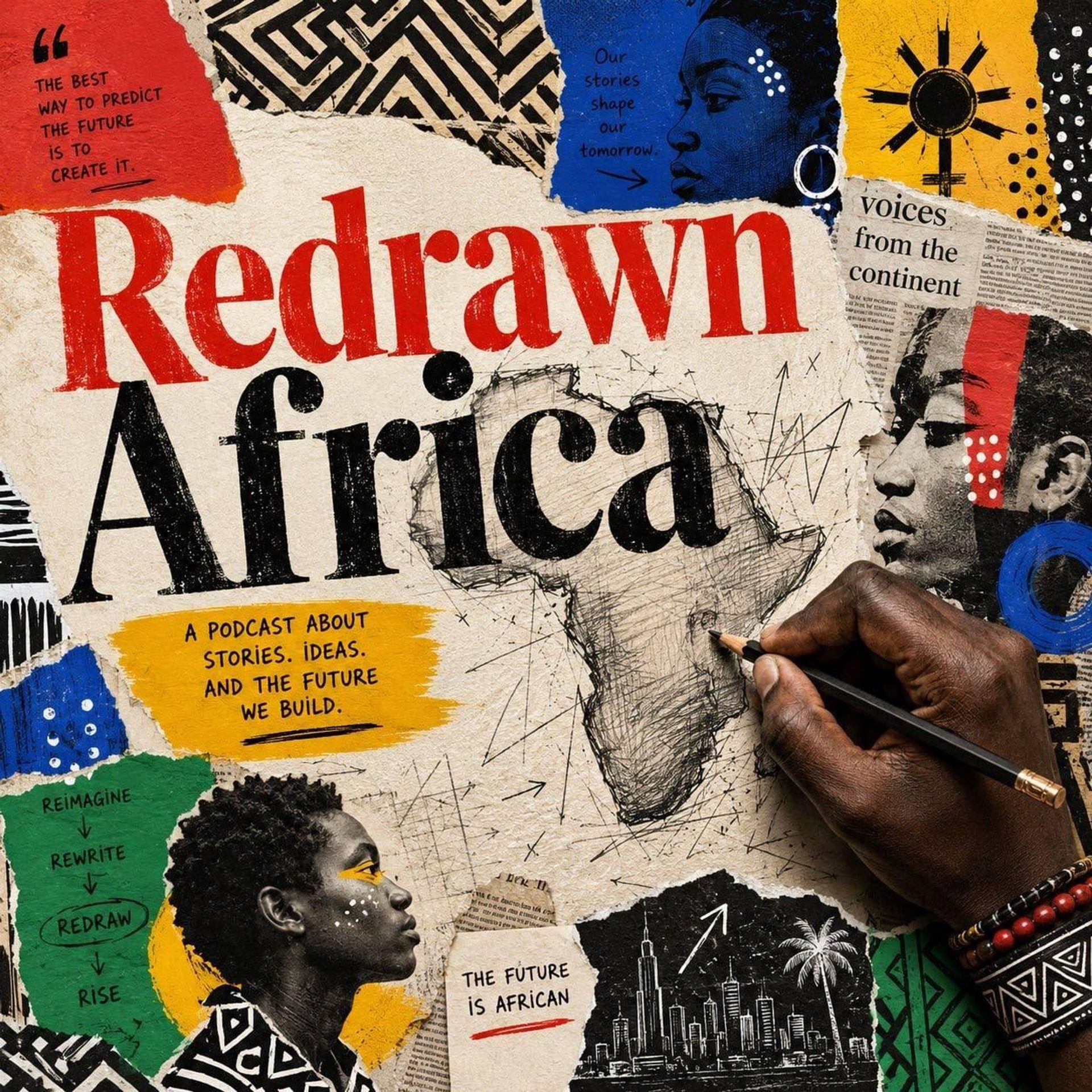
In this episode of the Redrawn Africa podcast, Moky Makura, an author and executive director of Africa No Filter, gave a clerical explanation of what decolonization means for Africans.
For her, the term "decolonization" is about taking back. And refusing to accept things that were given and forced on us.
"Well, I mean, decolonization is something that we're all aspiring to, because a lot of the systems in which we inhabit now, the things we take for granted, were designed by other people for us. So it's the same with the map. The map was designed for a European, for navigational purposes, everyone says that, but in the last 400 years, there are hundreds, and hundreds of other projections that have been designed that also addressed that need, but nobody changed it. So that was fine. We didn't have to design our own. But again, that's what decolonization is about," Makura says.
► Check out all the episodes of Redrawn Africa Podcast