https://en.sputniknews.africa/20260923/modern-day-colony-us-liberia-deportation-deal-1089391624.html
Modern-Day 'Colony'? US-Liberia Deportation Deal
Modern-Day 'Colony'? US-Liberia Deportation Deal
Sputnik Africa
In August 2026, a plane landed in Liberia carrying twenty deportees from the United States. None of them were Liberian. Most had never set foot in the country. 23.09.2026, Sputnik Africa
2026-09-23T19:39+0200
2026-09-23T19:39+0200
2026-09-25T13:49+0200
redrawn africa
united states (us)
liberia
africa
neocolonialism
colonialism
foreign policy
podcasts
sputnik africa
sputnik
https://cdn1.img.sputniknews.africa/img/07ea/09/17/1089402826_0:274:1254:979_1920x0_80_0_0_7bd0b5295a3d0ae390487658c8140a63.jpg
Modern-Day 'Colony'? US-Liberia Deportation Deal
Sputnik Africa
In August 2026, a plane landed in Liberia carrying twenty deportees from the United States. None of them were Liberian. Most had never set foot in the country.
Critics and geopolitical analysts argue that recent development dismantles the narrative of a bilateral partnership. And can be best described as a stark example of neocolonial power dynamics, where a powerful nation dictates terms to a weaker, historically linked state.In this episode of the Redrawn Africa podcast, Professor Milton Allimadi, a Ugandan-American author, professor of African history and owner of The Black Star News, offers a searing analysis of the U.S.-Liberia deportation deal.Professor Allimadi maintains that the arrangement reveals the hypocrisy of international law and the dangerous trajectory of a world where might makes right.► You can also listen to our podcast on Apple Podcasts, Spotify, Deezer, Castbox, Pocket Casts, Afripods, Podcast Addict, and Overcast.► Check out all the episodes of Redrawn Africa Podcast
united states (us)
liberia
africa
west africa
central africa
southern africa
north africa
east africa
Sputnik Africa
feedback@sputniknews.com
+74956456601
MIA „Rossiya Segodnya“
2026
Peace Chikodinaka Eze
https://cdn1.img.sputniknews.africa/img/07ea/07/14/1087666994_0:0:1040:1039_100x100_80_0_0_ce95af38315d6d9eb7e0f75a60df0788.jpg
Peace Chikodinaka Eze
https://cdn1.img.sputniknews.africa/img/07ea/07/14/1087666994_0:0:1040:1039_100x100_80_0_0_ce95af38315d6d9eb7e0f75a60df0788.jpg
News
en_EN
Sputnik Africa
feedback@sputniknews.com
+74956456601
MIA „Rossiya Segodnya“
Sputnik Africa
feedback@sputniknews.com
+74956456601
MIA „Rossiya Segodnya“
Peace Chikodinaka Eze
https://cdn1.img.sputniknews.africa/img/07ea/07/14/1087666994_0:0:1040:1039_100x100_80_0_0_ce95af38315d6d9eb7e0f75a60df0788.jpg
united states (us), liberia, africa, neocolonialism, colonialism, foreign policy, podcasts, sputnik africa, sputnik, donald trump, west africa, central africa, southern africa, north africa, east africa, аудио
united states (us), liberia, africa, neocolonialism, colonialism, foreign policy, podcasts, sputnik africa, sputnik, donald trump, west africa, central africa, southern africa, north africa, east africa, аудио
Modern-Day 'Colony'? US-Liberia Deportation Deal
In August 2026, a plane landed in Liberia carrying twenty deportees from the United States. None of them were Liberian. Most had never set foot in the country.
Critics and geopolitical analysts argue that recent development dismantles the narrative of a bilateral partnership. And can be best described as a stark example of neocolonial power dynamics, where a powerful nation dictates terms to a weaker, historically linked state.
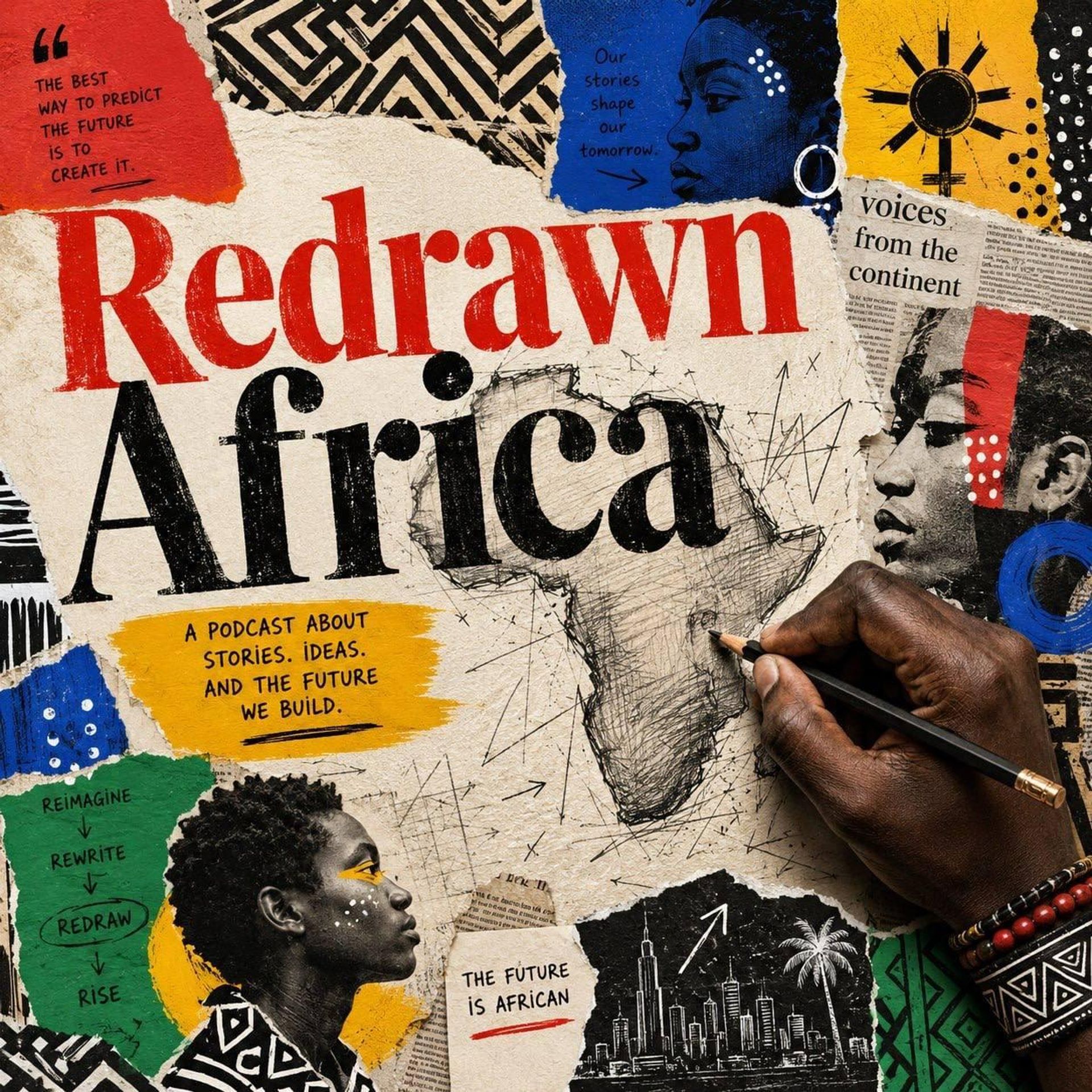
In this episode of the Redrawn Africa podcast, Professor Milton Allimadi, a Ugandan-American author, professor of African history and owner of The Black Star News, offers a searing analysis of the U.S.-Liberia deportation deal.
Professor Allimadi maintains that the arrangement reveals the hypocrisy of international law and the dangerous trajectory of a world where might makes right.
"Without a doubt, a lot of that exists only in paper, unfortunately, because we can even go beyond that and we can discuss issues of sovereignty. We can discuss whether these countries are actually independent. Are they in a position to reject such a proposal from the United States? And most people would say, probably not. Or even definitely not, because there are many repercussions they could face. They could face... blocking access to financial markets. As you know, the United States has already pretty much eliminated foreign aid to most or all African countries. So now... You have a different situation where every country is denied access, but the ones that we select to give something are going to have to do something for us in return for the monies that we'll be giving them. So it's a form of blackmail, really. Foreign aid itself was a form of blackmail, but now this is a much more intensified form of blackmail because we only pick and choose the ones that are going to get it in return for what we want them to do," Prof. Allimadi said.
► Check out all the episodes of Redrawn Africa Podcast