Guinea’s Single-Use Plastics Ban Enters Full Enforcement Phase: What You Need to Know
Guinea’s Single-Use Plastics Ban Enters Full Enforcement Phase: What You Need to Know
September 20 marked the end of the two-year transition period given to domestic industrial producers under the presidential decree banning single-use plastics, which was adopted in September 2024.
What is banned?
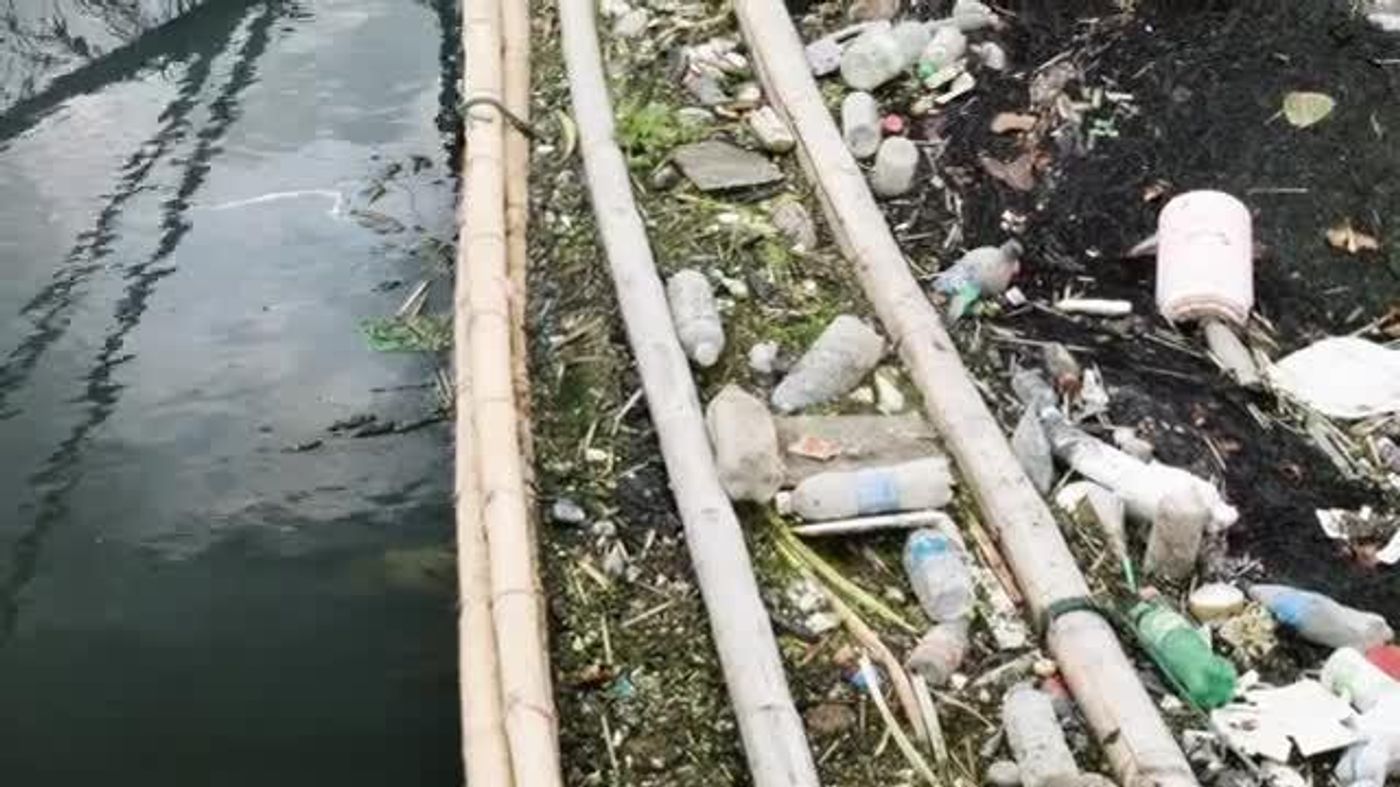
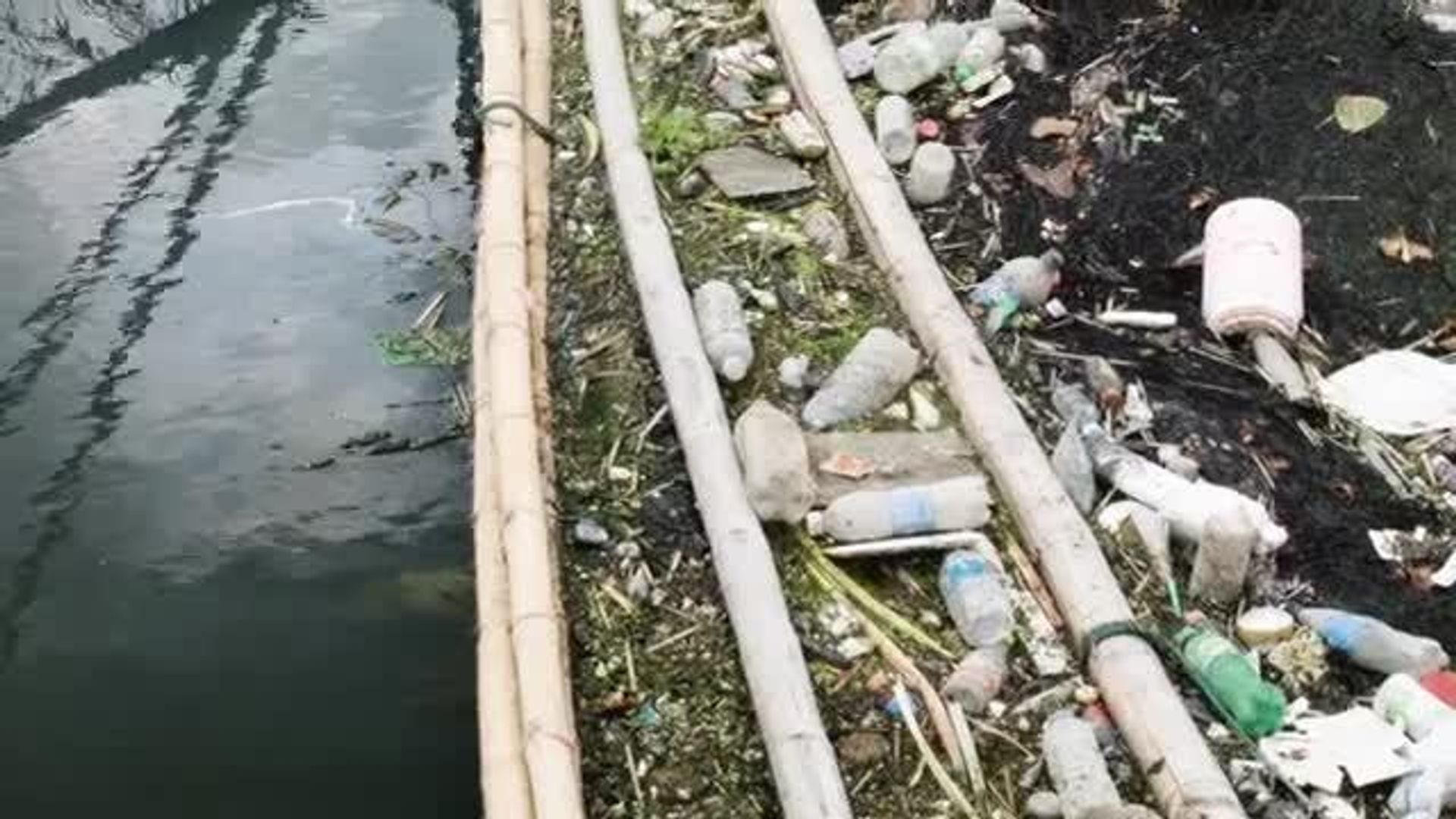
Production, import, sale, distribution, and use of single-use plastic bags, sachets, tableware, containers, and other disposable packaging.
Notably, plastic water sachets are banned, while PET bottles remain permitted.
What is exempt?
Exemptions include plastics for medical, agricultural, and military purposes, as well as waste collection.
How will it be enforced?
Environment, Industry, Commerce, Customs, and other authorized services are responsible for controls.
Penalties may include seizure or confiscation, suspension or withdrawal of authorizations, market withdrawal, destruction or re-export of goods, and administrative fines.
What alternatives are planned?
The 2026 implementing rules encourage reusable bags, paper and cardboard packaging, certified biodegradable products and appropriate local alternatives.
The government has also launched an awareness campaign, while the implementing rules provide support for industrial conversion, recycling and plastic-waste collection.
A wider African trend
Guinea’s policy is part of broader efforts across Africa to curb plastic pollution.
Countries including Kenya, Somalia, Nigeria, and Ethiopia have also introduced restrictions on plastic bags or other disposable plastics, although the scope of these measures differs from country to country.
Subscribe to @sputnik_africa