https://en.sputniknews.africa/20260916/zed-beats-how-home-studios-transformed-zambian-music--gave-young-people-a-voice-1089072814.html
Zed Beats: How Home Studios Transformed Zambian Music & Gave Young People a Voice
Zed Beats: How Home Studios Transformed Zambian Music & Gave Young People a Voice
Sputnik Africa
Zed Beats emerged from a period of economic hardship and a collapsing music industry, but Zambia’s young musicians turned limited resources into a new creative... 16.09.2026, Sputnik Africa
2026-09-16T15:02+0200
2026-09-16T15:02+0200
2026-09-16T15:02+0200
global south pole
politics
zambia
podcasts
music
youth
africa
sanctions
economy
apartheid
https://cdn1.img.sputniknews.africa/img/07ea/09/0b/1089083247_0:0:1280:721_1920x0_80_0_0_5403af880f78904ea99c07dede7baea2.jpg
Zed Beats: How Home Studios Transformed Zambian Music & Gave Young People a Voice
Sputnik Africa
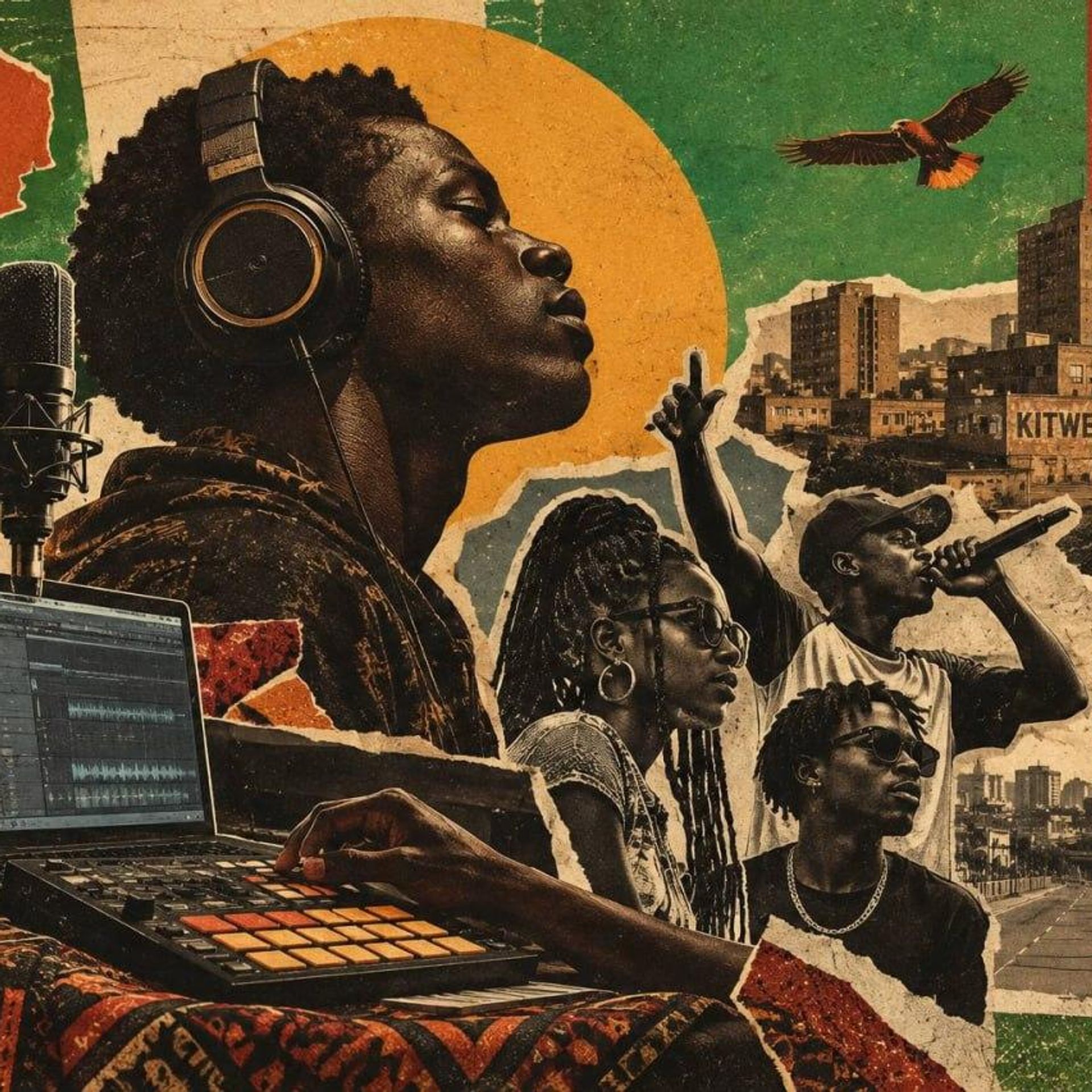
Zed Beats emerged from a period of economic hardship and a collapsing music industry, but Zambia’s young musicians turned limited resources into a new creative force. By moving music production into homes and embracing local languages, the movement helped reshape the country’s sound while giving young people greater space to express their identity.
The rise of affordable computers, software and home studios lowered the traditional barriers to music production, allowing musicians who could not afford professional studio time to create and distribute their own work. The movement also helped popularise Zambian languages such as Bemba and Nyanja, making the music more closely connected to everyday youth culture. Global South Pole spoke with Dr. Mathew Tembo, a lecturer in the Arts and Musicology Department at Copperbelt University in Kitwe, to examine how Zed Beats developed, its connection to Zambia’s social and economic conditions, and what its growth says about musical sovereignty, technology and youth culture. Tembo is also an award-winning Afro-pop performer and scholar with experience teaching and recording internationally. Tembo said the decline of Zambia’s music industry in the early 1990s, following economic difficulties and the closure of major record companies, pushed young musicians to find alternative ways of recording. Home studios subsequently became important spaces for production, while local languages helped Zed Beats develop a distinct cultural identity. He argued that greater African ownership of music businesses and stronger regional networks would be needed to achieve greater musical independence.To listen to the whole discussion, tune in to the Global South Pole podcast, brought to you by Sputnik Africa.In addition to the website, you can also catch our episodes on Telegram.► You can also listen to our podcast on Apple Podcasts, Spotify, Deezer, Castbox, Pocket Casts, Afripods, Podcast Addict, Overcast, and Mave Stream.► Check out all the episodes of Global South Pole
zambia
africa
Sputnik Africa
feedback@sputniknews.com
+74956456601
MIA „Rossiya Segodnya“
2026
Aliyu Bello
https://cdn1.img.sputniknews.africa/img/07e9/0a/16/1079780916_214:0:1067:853_100x100_80_0_0_4bd8916543c40cbb732ddb736f79e903.jpg
Aliyu Bello
https://cdn1.img.sputniknews.africa/img/07e9/0a/16/1079780916_214:0:1067:853_100x100_80_0_0_4bd8916543c40cbb732ddb736f79e903.jpg
News
en_EN
Sputnik Africa
feedback@sputniknews.com
+74956456601
MIA „Rossiya Segodnya“
Sputnik Africa
feedback@sputniknews.com
+74956456601
MIA „Rossiya Segodnya“
Aliyu Bello
https://cdn1.img.sputniknews.africa/img/07e9/0a/16/1079780916_214:0:1067:853_100x100_80_0_0_4bd8916543c40cbb732ddb736f79e903.jpg
politics, zambia, podcasts, music, youth, africa, sanctions, economy, apartheid, creativity, аудио
politics, zambia, podcasts, music, youth, africa, sanctions, economy, apartheid, creativity, аудио
Zed Beats: How Home Studios Transformed Zambian Music & Gave Young People a Voice
Aliyu Bello
Correspondent, Podcast Host
Zed Beats emerged from a period of economic hardship and a collapsing music industry, but Zambia’s young musicians turned limited resources into a new creative force. By moving music production into homes and embracing local languages, the movement helped reshape the country’s sound while giving young people greater space to express their identity.
The rise of affordable computers, software and home studios lowered the traditional barriers to music production, allowing musicians who could not afford professional studio time to create and distribute their own work. The movement also helped popularise Zambian languages such as Bemba and Nyanja, making the music more closely connected to everyday youth culture.
Global South Pole spoke with Dr. Mathew Tembo, a lecturer in the Arts and Musicology Department at Copperbelt University in Kitwe, to examine how Zed Beats developed, its connection to Zambia’s social and economic conditions, and what its growth says about musical sovereignty, technology and youth culture. Tembo is also an award-winning Afro-pop performer and scholar with experience teaching and recording internationally.
Tembo said the decline of Zambia’s music industry in the early 1990s, following economic difficulties and the closure of major record companies, pushed young musicians to find alternative ways of recording. Home studios subsequently became important spaces for production, while local languages helped Zed Beats develop a distinct cultural identity. He argued that greater African ownership of music businesses and stronger regional networks would be needed to achieve greater musical independence.
"The artists themselves started doing these things in home spaces, sometimes in their bedrooms. It meant so much to young people. These spaces actually gave them a voice, when they started, that voice was not loud enough, but now it’s the loudest voice, because that’s where the most visible music is happening," Dr. Tembo explained.
To listen to the whole discussion, tune in to the
Global South Pole podcast, brought to you by
Sputnik Africa.In addition to the website, you can also catch our episodes on
Telegram.► Check out all the episodes of Global South Pole