https://en.sputniknews.africa/20260831/nigerias-counter-terrorism-success-model-for-coordinated-african-security-system-1088776319.html
Nigeria’s Counter-Terrorism Success: Model for Coordinated African Security System?
Nigeria’s Counter-Terrorism Success: Model for Coordinated African Security System?
Sputnik Africa
Nigeria's nearly two-decade experience in counter-terrorism operations appears to be a potential model for a coordinated African security system, one that... 31.08.2026, Sputnik Africa
2026-08-31T17:18+0200
2026-08-31T17:18+0200
2026-09-01T15:42+0200
redrawn africa
terrorist attack
nigeria
africa
chad
sahel
sub-saharan africa
military cooperation
military base
podcasts
https://cdn1.img.sputniknews.africa/img/07ea/08/1f/1088777838_0:275:1255:980_1920x0_80_0_0_23db61edbba14d4ce602157e4f1ccad5.jpg
Nigeria’s Counter-Terrorism Success: Model for Coordinated African Security System?
Sputnik Africa
Nigeria's nearly two-decade experience in counter-terrorism operations appears to be a potential model for a coordinated African security system, one that inherently moves beyond what many critics have tagged as failed strategies of the past.
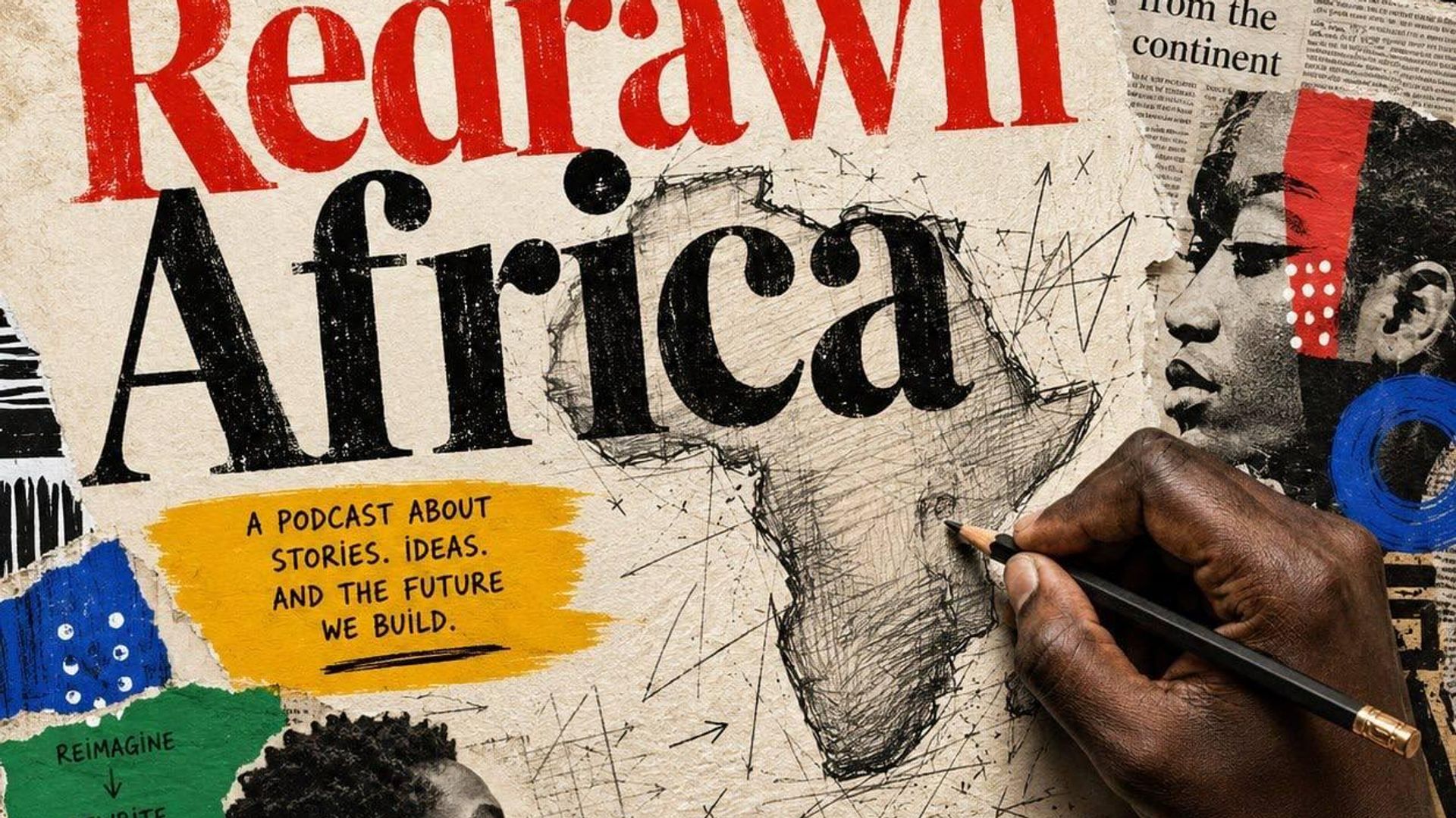
For many years, the continent poured billions into counter-terrorism campaigns, yet the prevailing counter-terrorism playbook—kinetic operations, foreign military interventions, and top-down security solutions—appeared to have consistently fallen short.But things are now different, as the African Security Watch in July 2026 named the Nigerian Army Africa's Best National Army in Counter-Terrorism Operations for 2025, citing its "exceptional operational achievements, strategic leadership, and unwavering commitment" to combating terrorism and violent extremism. After 15 years of battling Boko Haram and ISWAP, Africa's most effective counter-terrorism force emerged.The award recognized years of sustained, intelligence-driven operations that have significantly degraded terrorist networks, restored security to affected communities, and contributed to regional peace and stability.In this episode of the Redrawn Africa podcast, Dr. David Okoror, the Chief Executive Officer of the International Institute for Security and Governance Studies, advocates the need for security forces, whether national armies or regional task forces, to create conditions where terrorism cannot survive.
nigeria
africa
chad
sahel
sub-saharan africa
Sputnik Africa
feedback@sputniknews.com
+74956456601
MIA „Rossiya Segodnya“
2026
Peace Chikodinaka Eze
https://cdn1.img.sputniknews.africa/img/07ea/07/14/1087666994_0:0:1040:1039_100x100_80_0_0_ce95af38315d6d9eb7e0f75a60df0788.jpg
Peace Chikodinaka Eze
https://cdn1.img.sputniknews.africa/img/07ea/07/14/1087666994_0:0:1040:1039_100x100_80_0_0_ce95af38315d6d9eb7e0f75a60df0788.jpg
News
en_EN
Sputnik Africa
feedback@sputniknews.com
+74956456601
MIA „Rossiya Segodnya“
Sputnik Africa
feedback@sputniknews.com
+74956456601
MIA „Rossiya Segodnya“
Peace Chikodinaka Eze
https://cdn1.img.sputniknews.africa/img/07ea/07/14/1087666994_0:0:1040:1039_100x100_80_0_0_ce95af38315d6d9eb7e0f75a60df0788.jpg
terrorist attack, nigeria, africa, chad, sahel, sub-saharan africa, military cooperation, military base, podcasts, sputnik africa, sputnik, аудио
terrorist attack, nigeria, africa, chad, sahel, sub-saharan africa, military cooperation, military base, podcasts, sputnik africa, sputnik, аудио
Nigeria’s Counter-Terrorism Success: Model for Coordinated African Security System?
Nigeria's nearly two-decade experience in counter-terrorism operations appears to be a potential model for a coordinated African security system, one that inherently moves beyond what many critics have tagged as failed strategies of the past.
For many years, the continent poured billions into counter-terrorism campaigns, yet the prevailing counter-terrorism playbook—kinetic operations, foreign military interventions, and top-down security solutions—appeared to have consistently fallen short.
But things are now different, as the African Security Watch in July 2026 named the Nigerian Army Africa's Best National Army in Counter-Terrorism Operations for 2025, citing its "exceptional operational achievements, strategic leadership, and unwavering commitment" to combating terrorism and violent extremism. After 15 years of battling Boko Haram and ISWAP, Africa's most effective counter-terrorism force emerged.
The award recognized years of sustained, intelligence-driven operations that have significantly degraded terrorist networks, restored security to affected communities, and contributed to regional peace and stability.
In this episode of the Redrawn Africa podcast, Dr. David Okoror, the Chief Executive Officer of the International Institute for Security and Governance Studies, advocates the need for security forces, whether national armies or regional task forces, to create conditions where terrorism cannot survive.
"What African military can learn from Nigeria is that terrorism is adaptive. And so security institutions must continuously learn to adapt, and when you are dealing with terrorism, conventional force is not enough. You need to combine a set of capabilities, including military power, for instance. You need to also bring in intelligence, technology, centralized operations and community cooperation," says Dr. Okoror.