https://en.sputniknews.africa/20260831/energy-sovereignty-starts-with-skills-college-that-could-reshape-africas-future-1088693530.html
Energy Sovereignty Starts With Skills: College That Could Reshape Africa's Future
Energy Sovereignty Starts With Skills: College That Could Reshape Africa's Future
Sputnik Africa
As Nigeria commissions Africa's first Barefoot Renewable Energy College, the real question is not about technology but about people. This investment in skills... 31.08.2026, Sputnik Africa
2026-08-31T10:40+0200
2026-08-31T10:40+0200
2026-08-31T10:40+0200
global south pole
podcasts
sputnik africa
africa
nigeria
renewable energy
education
industry
energy
infrastructure
https://cdn1.img.sputniknews.africa/img/07ea/08/1c/1088705231_0:160:1536:1024_1920x0_80_0_0_4018544ef99e90a9aee747ab749b8c35.jpg
Energy Sovereignty Starts With Skills: College That Could Reshape Africa's Future
Sputnik Africa
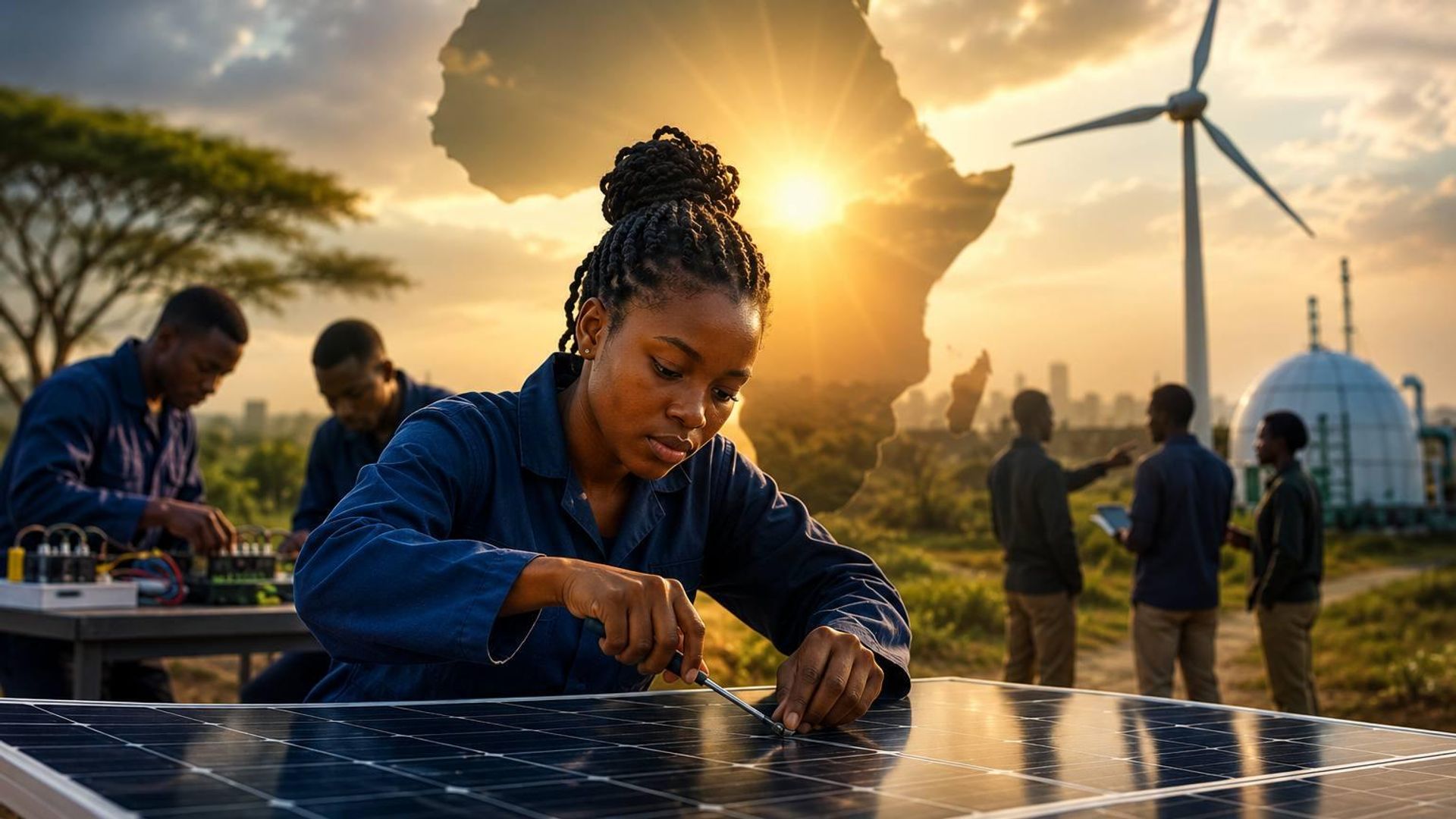
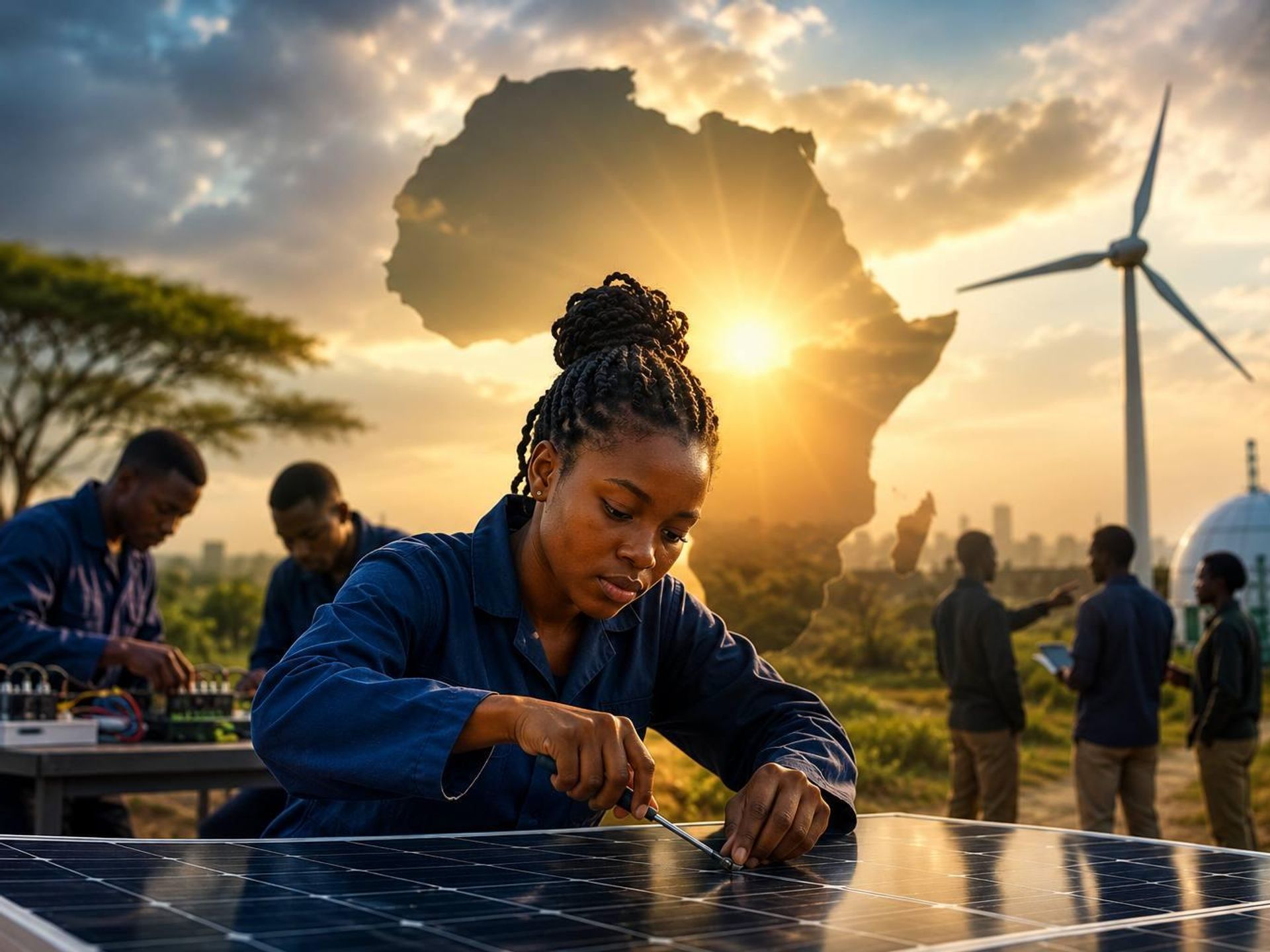
As Nigeria commissions Africa's first Barefoot Renewable Energy College, the real question is not about technology but about people. This investment in skills offers a hopeful path forward: training a workforce to install, operate, and build businesses that turn Africa's renewable potential into lasting prosperity for millions.
For too long, Africa's energy conversation has focused on infrastructure—solar panels, batteries, and hydrogen plants—while overlooking the human capacity needed to make them work. The Barefoot College model offers a shift toward investing in people, but success depends on connecting training to real markets, designing curricula with industry, and building an entire energy ecosystem that creates jobs, not just certificates.Global South Pole spoke with Karabo Mokgonyana, energy co-lead at Power Shift Africa and a South African legal and development practitioner whose work spans climate, energy, and just transitions across the continent, about Nigeria's renewable energy college, the meaning of energy sovereignty, and why Africa must move from a training-centered model to an ecosystem approach that connects skills, industrial policy, and employment.Mokgonyana argued that the college and pilot plant are significant not just for their technology but also because they represent a rare investment in capacity—the human skills essential for creating reliable energy, jobs, and economic activity across Africa. She emphasized that energy sovereignty means having greater control over how energy is produced, distributed, and used, requiring African countries to develop their own research institutions, manufacturing capacity, standards, and regulatory expertise rather than remaining dependent on imported technologies. She also stressed that training alone is insufficient, because without clear connections to markets, industrial policy, and employment, colleges risk producing graduates with no jobs, so Africa must adopt an ecosystem model where universities, companies, and financial institutions work together to design curricula, create apprenticeships, and finance entrepreneurs.To listen to the whole discussion, tune in to the Global South Pole podcast, brought to you by Sputnik Africa. In addition to the website, you can also catch our episodes on Telegram.► You can also listen to our podcast on Apple Podcasts, Spotify, Deezer, Castbox, Pocket Casts, Afripods, Podcast Addict, Overcast, and Mave Stream.► Check out all the episodes of Global South Pole
africa
nigeria
Sputnik Africa
feedback@sputniknews.com
+74956456601
MIA „Rossiya Segodnya“
2026
Aliyu Bello
https://cdn1.img.sputniknews.africa/img/07e9/0a/16/1079780916_214:0:1067:853_100x100_80_0_0_4bd8916543c40cbb732ddb736f79e903.jpg
Aliyu Bello
https://cdn1.img.sputniknews.africa/img/07e9/0a/16/1079780916_214:0:1067:853_100x100_80_0_0_4bd8916543c40cbb732ddb736f79e903.jpg
News
en_EN
Sputnik Africa
feedback@sputniknews.com
+74956456601
MIA „Rossiya Segodnya“
Sputnik Africa
feedback@sputniknews.com
+74956456601
MIA „Rossiya Segodnya“
Aliyu Bello
https://cdn1.img.sputniknews.africa/img/07e9/0a/16/1079780916_214:0:1067:853_100x100_80_0_0_4bd8916543c40cbb732ddb736f79e903.jpg
podcasts, sputnik africa, africa, nigeria, renewable energy , education, industry, energy, infrastructure, university, аудио
podcasts, sputnik africa, africa, nigeria, renewable energy , education, industry, energy, infrastructure, university, аудио
Energy Sovereignty Starts With Skills: College That Could Reshape Africa's Future
Aliyu Bello
Correspondent, Podcast Host
As Nigeria commissions Africa's first Barefoot Renewable Energy College, the real question is not about technology but about people. This investment in skills offers a hopeful path forward: training a workforce to install, operate, and build businesses that turn Africa's renewable potential into lasting prosperity for millions.
For too long, Africa's energy conversation has focused on infrastructure—solar panels, batteries, and hydrogen plants—while overlooking the human capacity needed to make them work. The Barefoot College model offers a shift toward investing in people, but success depends on connecting training to real markets, designing curricula with industry, and building an entire energy ecosystem that creates jobs, not just certificates.
Global South Pole spoke with Karabo Mokgonyana, energy co-lead at Power Shift Africa and a South African legal and development practitioner whose work spans climate, energy, and just transitions across the continent, about Nigeria's renewable energy college, the meaning of energy sovereignty, and why Africa must move from a training-centered model to an ecosystem approach that connects skills, industrial policy, and employment.
Mokgonyana argued that the college and pilot plant are significant not just for their technology but also because they represent a rare investment in capacity—the human skills essential for creating reliable energy, jobs, and economic activity across Africa. She emphasized that energy sovereignty means having greater control over how energy is produced, distributed, and used, requiring African countries to develop their own research institutions, manufacturing capacity, standards, and regulatory expertise rather than remaining dependent on imported technologies. She also stressed that training alone is insufficient, because without clear connections to markets, industrial policy, and employment, colleges risk producing graduates with no jobs, so Africa must adopt an ecosystem model where universities, companies, and financial institutions work together to design curricula, create apprenticeships, and finance entrepreneurs.
"For the first time, we have an opportunity to really chart the way. We have a lot of that potential. We have the population for it. We have the potential, the renewable energy potential. I mean, it's 60% for solar just on the African continent. We also have the minerals for it. We can do this, and this is an opportunity to industrialize and build sovereignty," Karabo Mokgonyana said.
To listen to the whole discussion, tune in to the
Global South Pole podcast, brought to you by
Sputnik Africa. In addition to the website, you can also catch our episodes on
Telegram.► Check out all the episodes of Global South Pole