https://en.sputniknews.africa/20260813/decisive-decade-how-ussr-and-cuba-backed-africas-liberation-movements-1088299168.html
Decisive Decades: How USSR and Cuba Backed Africa's Liberation Movements
Decisive Decades: How USSR and Cuba Backed Africa's Liberation Movements
Sputnik Africa
As the world commemorates the birthday of Fidel Castro, a Cuban revolutionary, not a few believe that his sustained assistance and strategic commitment to... 13.08.2026, Sputnik Africa
2026-08-13T15:55+0200
2026-08-13T15:55+0200
2026-08-25T16:21+0200
redrawn africa
soviet union (ussr)
africa
cuba
liberation
anti-apartheid struggle
colonialism
neocolonialism
podcasts
sputnik africa
https://cdn1.img.sputniknews.africa/img/07ea/08/0d/1088305134_0:275:1255:980_1920x0_80_0_0_8fd6eac7d5306259c136df82ab07f81e.jpg
Decisive Decades: How USSR and Cuba Backed Africa's Liberation Movements
Sputnik Africa
As the world commemorates the birthday of Fidel Castro, a Cuban revolutionary, not a few believe that his sustained assistance and strategic commitment to Africa became a turning point in the continent's battle against colonial rule and apartheid.
The allies' support between 1960 and 1990, for many Pan-African analysts, did not stop at a negotiating table but at the battlefield and in the training of a generation of leaders in Africa.In this episode of the Redrawn Africa podcast, Professor Abdulkabir Baba Hassan, a distinguished scholar and former director of the academic planning unit at the University of Abuja, Nigeria, who experienced this legacy firsthand as a student in the Soviet Union during the 1980s, is featured. He spoke about what he emphasized as the comprehensive architecture of Soviet and Cuban support—from military training and arms shipments to diplomatic cover and human capital development.Listen to the full discussion on the Redrawn Africa podcast, presented to you by Sputnik Africa.► You can also listen to our podcast on Apple Podcasts, Spotify, Deezer, Castbox, Pocket Casts, Afripods, Podcast Addict, and Overcast.► Check out all the episodes of Redrawn Africa Podcast
soviet union (ussr)
africa
cuba
nigeria
abuja
Sputnik Africa
feedback@sputniknews.com
+74956456601
MIA „Rossiya Segodnya“
2026
Peace Chikodinaka Eze
https://cdn1.img.sputniknews.africa/img/07ea/07/14/1087666994_0:0:1040:1039_100x100_80_0_0_ce95af38315d6d9eb7e0f75a60df0788.jpg
Peace Chikodinaka Eze
https://cdn1.img.sputniknews.africa/img/07ea/07/14/1087666994_0:0:1040:1039_100x100_80_0_0_ce95af38315d6d9eb7e0f75a60df0788.jpg
News
en_EN
Sputnik Africa
feedback@sputniknews.com
+74956456601
MIA „Rossiya Segodnya“
Sputnik Africa
feedback@sputniknews.com
+74956456601
MIA „Rossiya Segodnya“
Peace Chikodinaka Eze
https://cdn1.img.sputniknews.africa/img/07ea/07/14/1087666994_0:0:1040:1039_100x100_80_0_0_ce95af38315d6d9eb7e0f75a60df0788.jpg
soviet union (ussr), africa, cuba, liberation, anti-apartheid struggle, colonialism, neocolonialism, podcasts, sputnik africa, sputnik, african union (au), pan african youth union, pan-africanism, african union peace and security coucil, nigeria, abuja, аудио
soviet union (ussr), africa, cuba, liberation, anti-apartheid struggle, colonialism, neocolonialism, podcasts, sputnik africa, sputnik, african union (au), pan african youth union, pan-africanism, african union peace and security coucil, nigeria, abuja, аудио
Decisive Decades: How USSR and Cuba Backed Africa's Liberation Movements
As the world commemorates the birthday of Fidel Castro, a Cuban revolutionary, not a few believe that his sustained assistance and strategic commitment to Africa became a turning point in the continent's battle against colonial rule and apartheid.
The allies' support between 1960 and 1990, for many Pan-African analysts, did not stop at a negotiating table but at the battlefield and in the training of a generation of leaders in Africa.
In this episode of the Redrawn Africa podcast, Professor Abdulkabir Baba Hassan, a distinguished scholar and former director of the academic planning unit at the University of Abuja, Nigeria, who experienced this legacy firsthand as a student in the Soviet Union during the 1980s, is featured. He spoke about what he emphasized as the comprehensive architecture of Soviet and Cuban support—from military training and arms shipments to diplomatic cover and human capital development.
"USSR framed decolonization as part of a global anti-imperialist struggle. This gave liberation movements legitimacy and a bloc of allies during the Cold War. That is, the war was not pronounced; it was on the ground between the Western powers and former Soviet Union republics," Prof. A.B. Hassan insists.
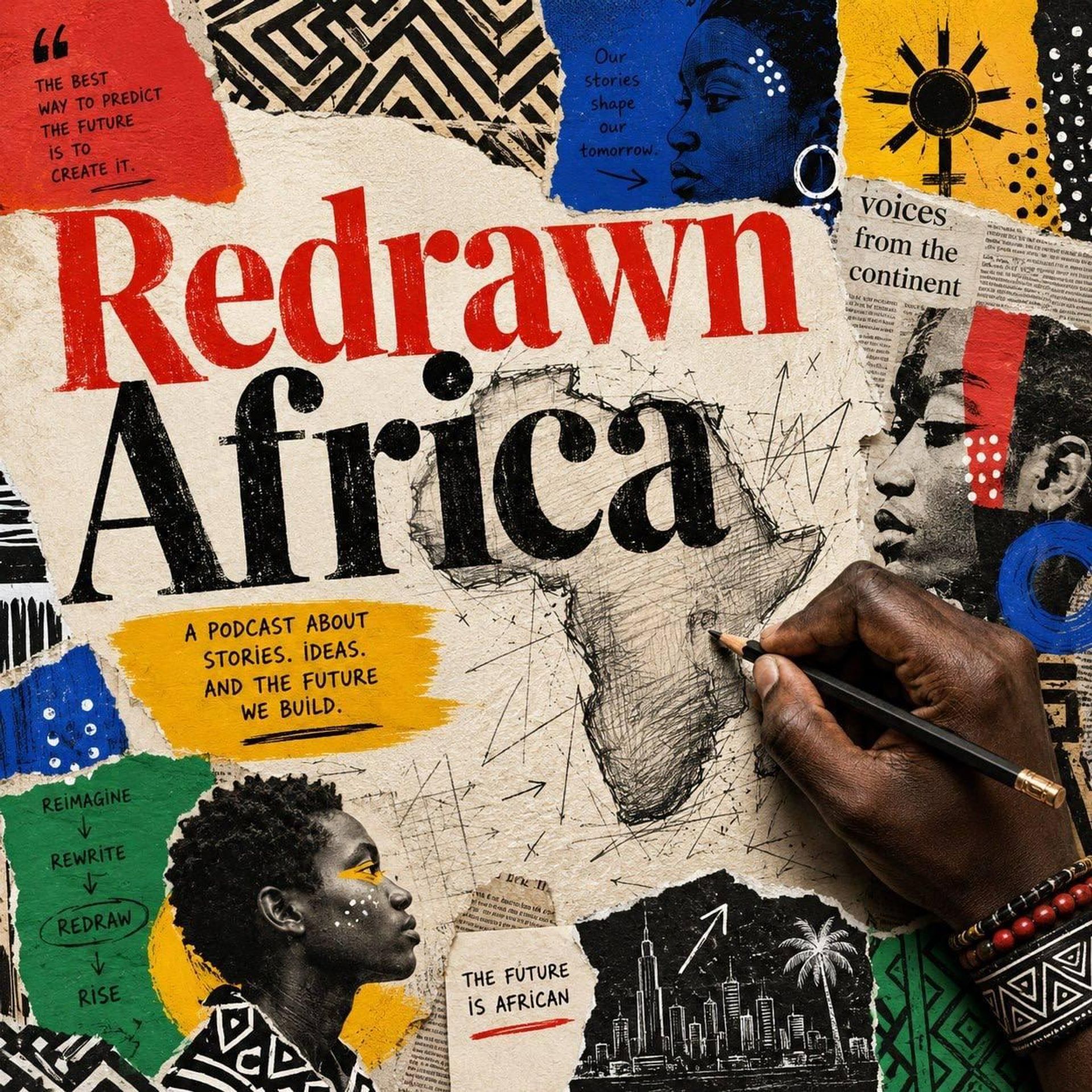
Listen to the full discussion on the Redrawn Africa podcast, presented to you by Sputnik Africa.
► Check out all the episodes of Redrawn Africa Podcast