Three Ancient Tombs Discovered in Egypt's Bahariya Oasis May Reveal History of Successive Generations
Three Ancient Tombs Discovered in Egypt's Bahariya Oasis May Reveal History of Successive Generations
The Sheikh Subi archaeological site, a necropolis for rulers and priests, has yielded new discoveries that could provide insights into the lives of successive generations of oasis inhabitants, according to Egypt's Ministry of Tourism and Antiquities.
The Tombs—Three tombs were found in total:
A family tomb: A collective sandstone burial chamber believed to hold five members of the same family.
Two Roman-era tombs: These are thought to date back to the period when Rome controlled Egypt.
Artifacts Found:
In the family tomb: Five limestone sarcophagi, each holding mummies still wrapped in linen.
In one of the Roman tombs:
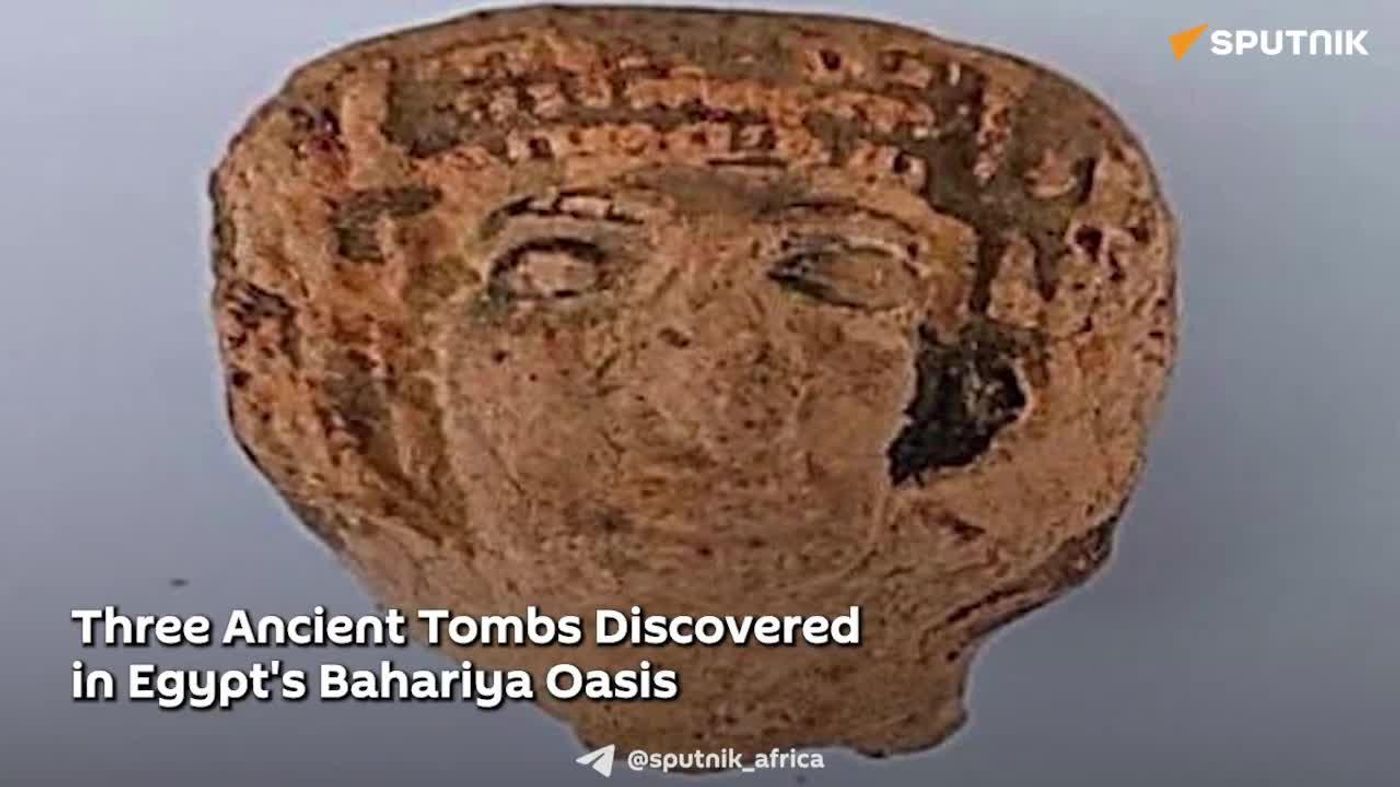
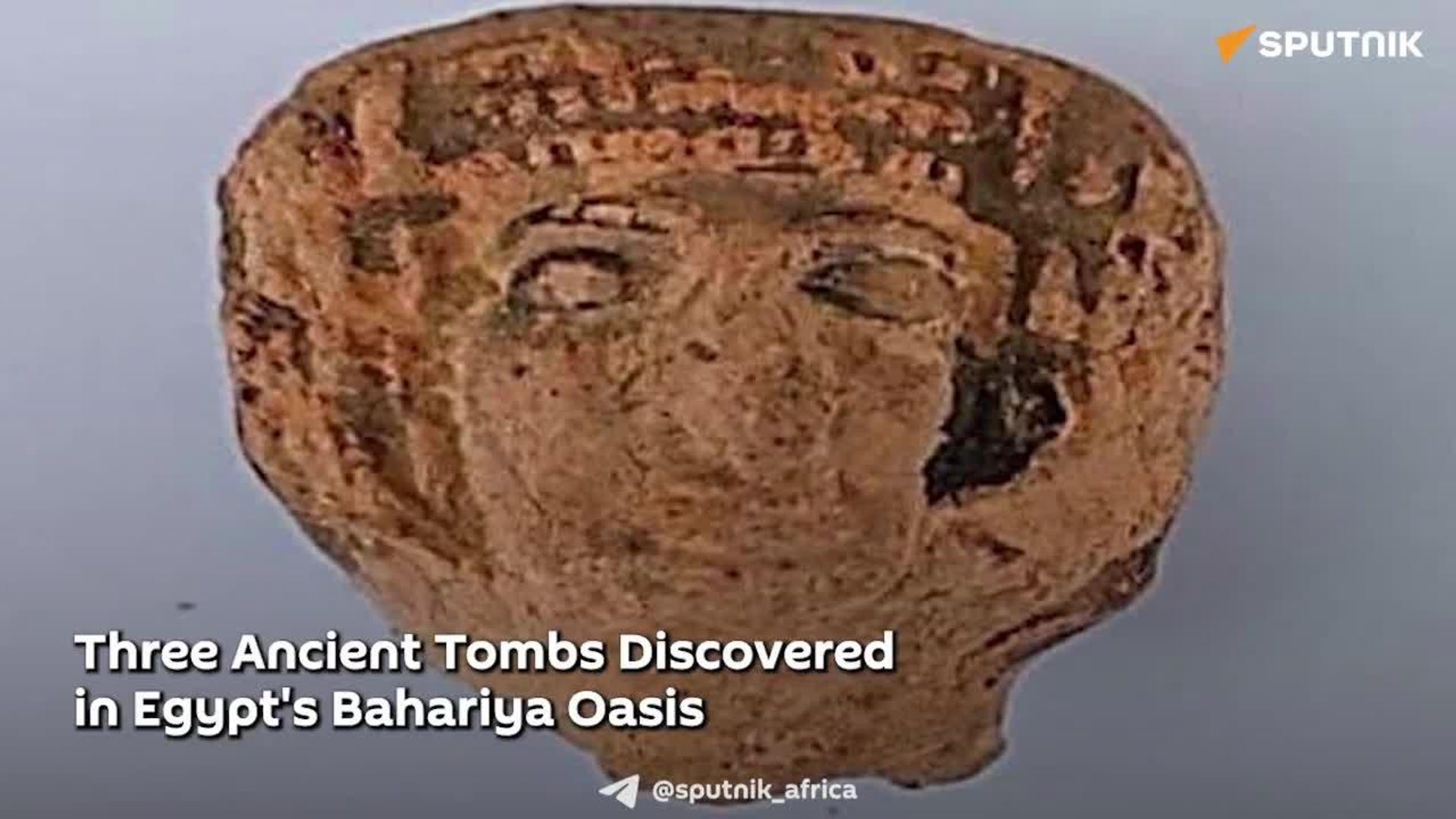
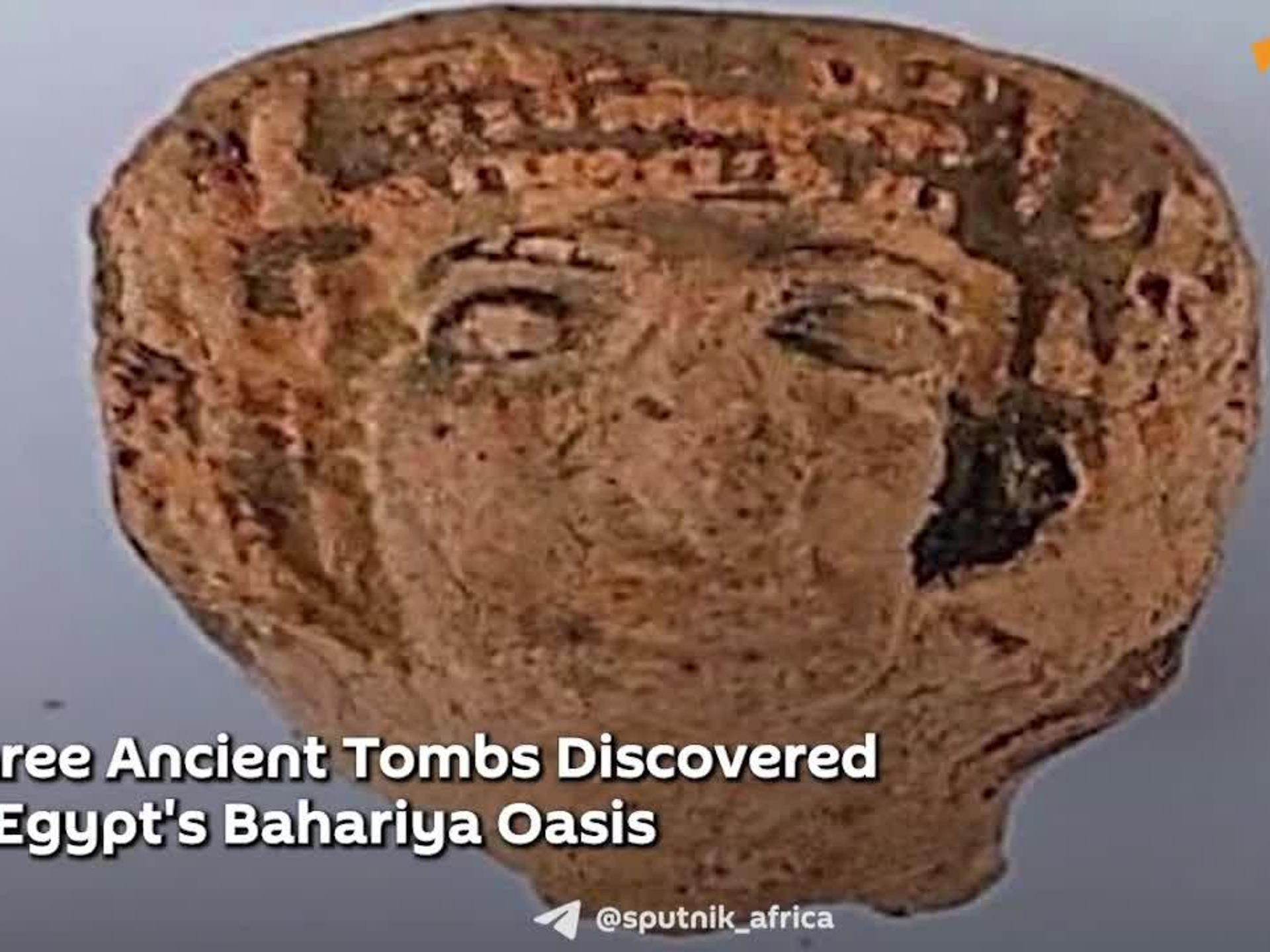
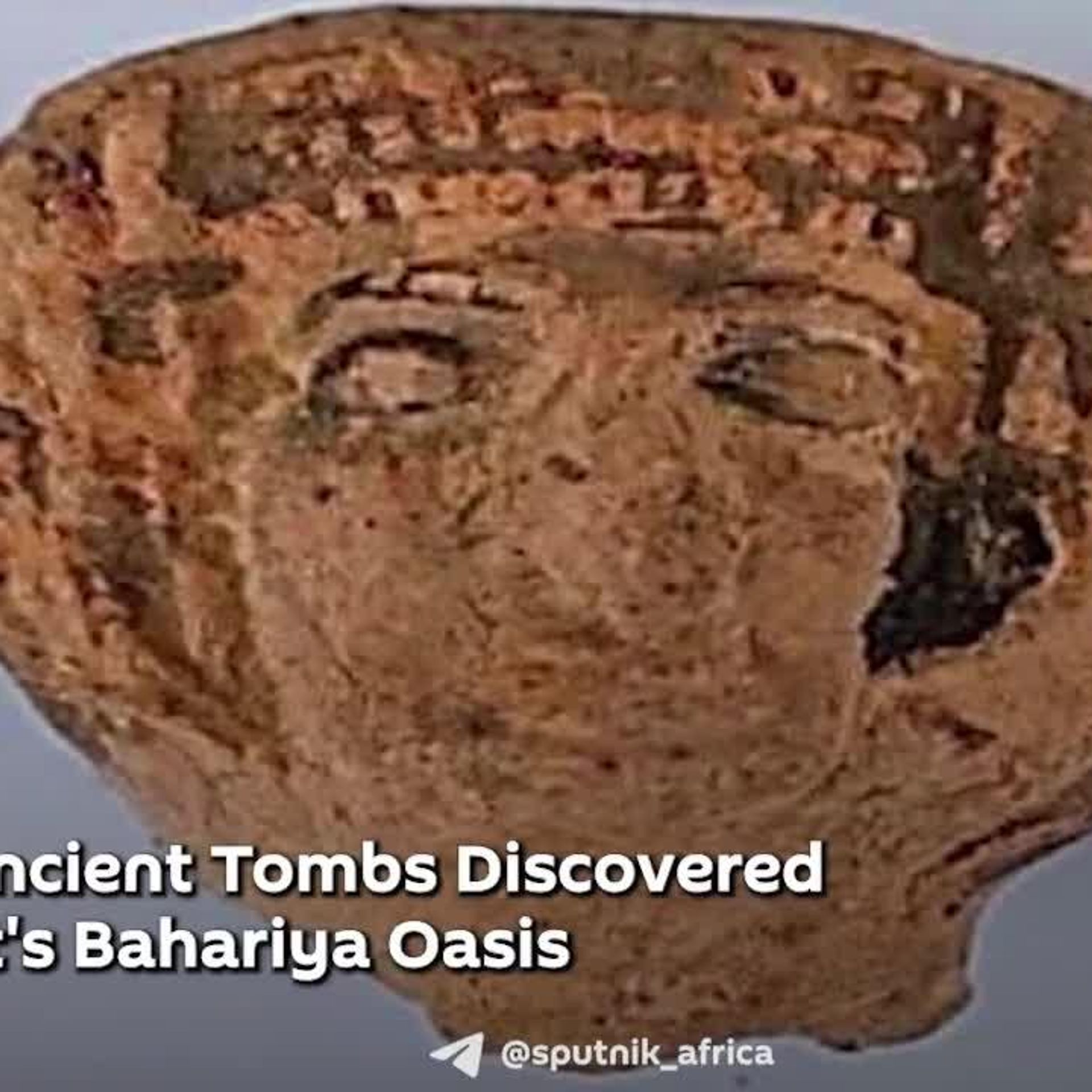
A limestone sarcophagus carved with a human-face relief
Fragments of clay sarcophagi
Pottery and offering tables
Terracotta figurines
Why This Site Matters—The Sheikh Subi area is already known for:
A Late Period necropolis (roughly 664–332 BCE)
The Temple of El-Bawiti, built under Pharaoh Amasis II of the 26th Dynasty
What makes this new find exciting is the overlap of different eras—suggesting the oasis was inhabited and reused for burials across centuries by different cultures and rulers.
Ongoing Work:
Expedition leader Sabri Farag said excavations will continue in future seasons, potentially uncovering additional burial sites and providing further insights into the history of the oasis.
Subscribe to @sputnik_africa