https://en.sputniknews.africa/20260807/homegrown-innovation-holds-key-to-africas-food-future---zimbabwean-developer--1088143630.html
Homegrown Innovation Holds Key to Africa’s Food Future - Zimbabwean Developer
Homegrown Innovation Holds Key to Africa’s Food Future - Zimbabwean Developer
Sputnik Africa
Climate change is placing growing pressure on Africa’s food systems, forcing farmers to contend with erratic rainfall, prolonged droughts, and rising... 07.08.2026, Sputnik Africa
2026-08-07T16:15+0200
2026-08-07T16:15+0200
2026-08-10T12:34+0200
global south pole
podcasts
zimbabwe
africa
agriculture
food security
food
innovation
artificial intelligence (ai)
farmers
https://cdn1.img.sputniknews.africa/img/07ea/08/07/1088145558_0:80:1536:944_1920x0_80_0_0_2e81d38e337aabb33eafe577dcf639ad.jpg
Homegrown Innovation Holds Key to Africa’s Food Future - Zimbabwean Developer
Sputnik Africa
Climate change is placing growing pressure on Africa’s food systems, forcing farmers to contend with erratic rainfall, prolonged droughts, and rising production costs. As these challenges intensify, attention is increasingly turning to locally developed climate-smart technologies that could strengthen food security across the continent.
While many agricultural technologies used across Africa are developed abroad, a growing number of local innovators are designing solutions tailored to the continent’s environmental conditions, available resources, and the needs of smallholder farmers.Global South Pole spoke with Killian Ruzande, developer of Bio-Sandponics and founder of Eden Farms in Zimbabwe, about how locally designed climate-smart farming systems can strengthen food security, reduce dependence on external inputs, and make agriculture more resilient for smallholder farmers across Africa. Ruzande said Bio-Sandponics was created in response to Africa’s growing vulnerability to climate change, including droughts, heatwaves, and declining rainfall. He explained that the system combines fish farming and crop production using locally available materials, reducing the need for imported equipment while recycling water and fish waste to lower production costs. He argued that Africa should prioritize agricultural innovations tailored to its own environmental conditions, indigenous knowledge, and cultural realities instead of relying on solutions developed for different climates.To listen to the whole discussion, tune in to the Global South Pole podcast, brought to you by Sputnik Africa.In addition to the website, you can also catch our episodes on Telegram.► You can also listen to our podcast on Apple Podcasts, Spotify, Deezer, Castbox, Pocket Casts, Afripods, Podcast Addict, Overcast, and Mave Stream.► Check out all the episodes of Global South Pole
zimbabwe
africa
Sputnik Africa
feedback@sputniknews.com
+74956456601
MIA „Rossiya Segodnya“
2026
Aliyu Bello
https://cdn1.img.sputniknews.africa/img/07e9/0a/16/1079780916_214:0:1067:853_100x100_80_0_0_4bd8916543c40cbb732ddb736f79e903.jpg
Aliyu Bello
https://cdn1.img.sputniknews.africa/img/07e9/0a/16/1079780916_214:0:1067:853_100x100_80_0_0_4bd8916543c40cbb732ddb736f79e903.jpg
News
en_EN
Sputnik Africa
feedback@sputniknews.com
+74956456601
MIA „Rossiya Segodnya“
Sputnik Africa
feedback@sputniknews.com
+74956456601
MIA „Rossiya Segodnya“
Aliyu Bello
https://cdn1.img.sputniknews.africa/img/07e9/0a/16/1079780916_214:0:1067:853_100x100_80_0_0_4bd8916543c40cbb732ddb736f79e903.jpg
podcasts, zimbabwe, africa, agriculture, food security , food, innovation, artificial intelligence (ai), farmers, fishery, research, sanctions, аудио
podcasts, zimbabwe, africa, agriculture, food security , food, innovation, artificial intelligence (ai), farmers, fishery, research, sanctions, аудио
Homegrown Innovation Holds Key to Africa’s Food Future - Zimbabwean Developer
Aliyu Bello
Correspondent, Podcast Host
Climate change is placing growing pressure on Africa’s food systems, forcing farmers to contend with erratic rainfall, prolonged droughts, and rising production costs. As these challenges intensify, attention is increasingly turning to locally developed climate-smart technologies that could strengthen food security across the continent.
While many agricultural technologies used across Africa are developed abroad, a growing number of local innovators are designing solutions tailored to the continent’s environmental conditions, available resources, and the needs of smallholder farmers.
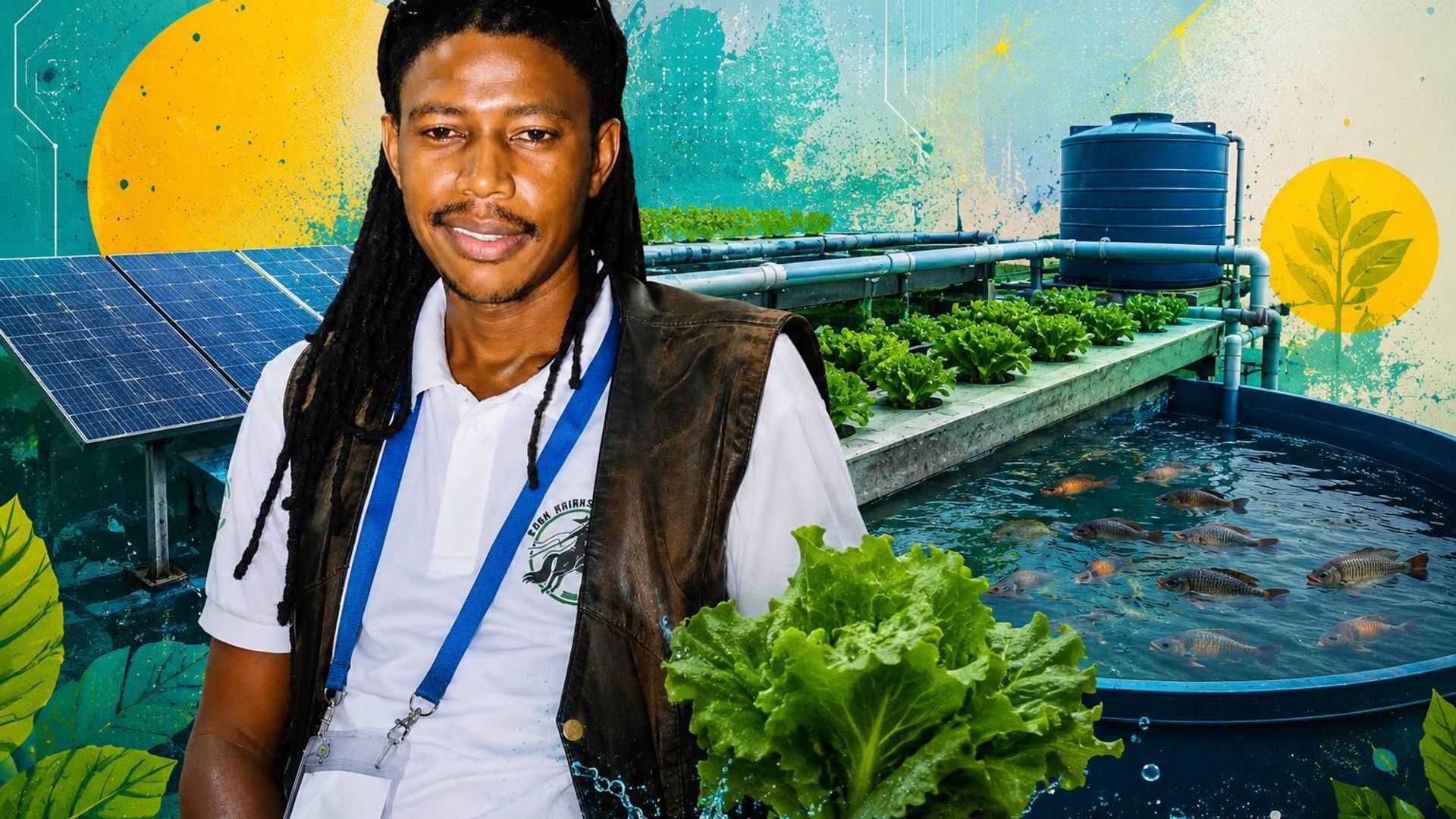
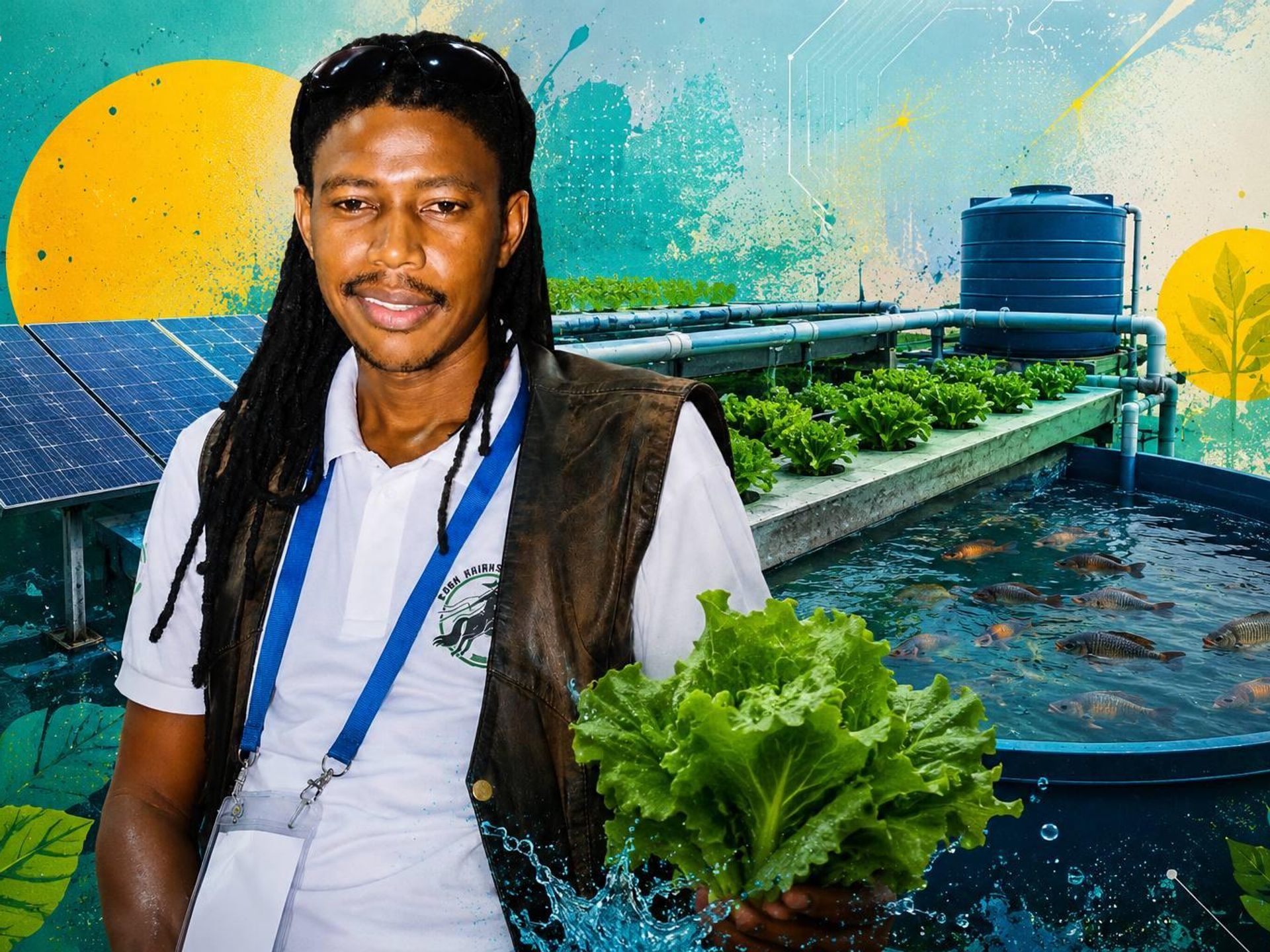
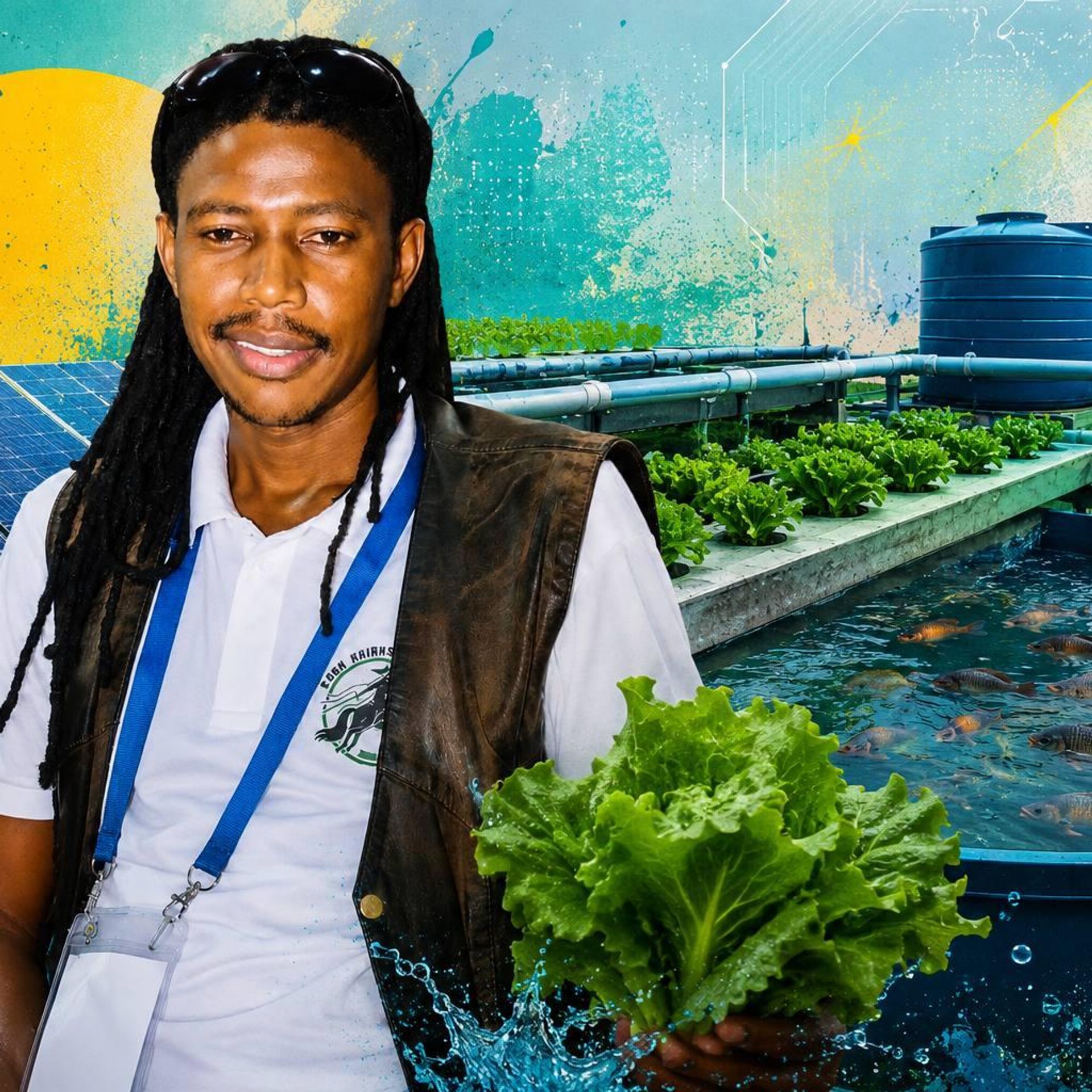
Global South Pole spoke with Killian Ruzande, developer of Bio-Sandponics and founder of Eden Farms in Zimbabwe, about how locally designed climate-smart farming systems can strengthen food security, reduce dependence on external inputs, and make agriculture more resilient for smallholder farmers across Africa.
Ruzande said Bio-Sandponics was created in response to Africa’s growing vulnerability to climate change, including droughts, heatwaves, and declining rainfall. He explained that the system combines fish farming and crop production using locally available materials, reducing the need for imported equipment while recycling water and fish waste to lower production costs. He argued that Africa should prioritize agricultural innovations tailored to its own environmental conditions, indigenous knowledge, and cultural realities instead of relying on solutions developed for different climates.
"Our plan and our vision are to roll this out across the continent of Africa because we want our fellow brothers and we also want all farmers at least to have healthy protein and healthy produce on their table," Ruzande said. "We need to have our own solutions, which are a tailor-made to our African context. Because for some, the problem is if you adopt some, they might not be fitting to our culture and also our environment or our climatic conditions," he concluded.
To listen to the whole discussion, tune in to the
Global South Pole podcast, brought to you by
Sputnik Africa.In addition to the website, you can also catch our episodes on
Telegram.► Check out all the episodes of Global South Pole