https://en.sputniknews.africa/20260804/chinas-yuan-gains-momentum-across-africa-as-de-dollarization-reshapes-global-finance-1088068384.html
China’s Yuan Gains Momentum Across Africa as De-dollarization Reshapes Global Finance
China’s Yuan Gains Momentum Across Africa as De-dollarization Reshapes Global Finance
Sputnik Africa
As more African countries deepen trade and financial ties with China, the Chinese renminbi [yuan] is emerging as a more prominent currency across the... 04.08.2026, Sputnik Africa
2026-08-04T17:01+0200
2026-08-04T17:01+0200
2026-08-04T17:01+0200
global south pole
china
ghana
africa
podcasts
economy
currency
local currency
alternative currency
united states (us)
https://cdn1.img.sputniknews.africa/img/07ea/08/04/1088069552_0:67:1280:787_1920x0_80_0_0_5219c8064cb7816e6c785a9ad10599a7.jpg
China’s Yuan Gains Momentum Across Africa as De-dollarization Reshapes Global Finance
Sputnik Africa
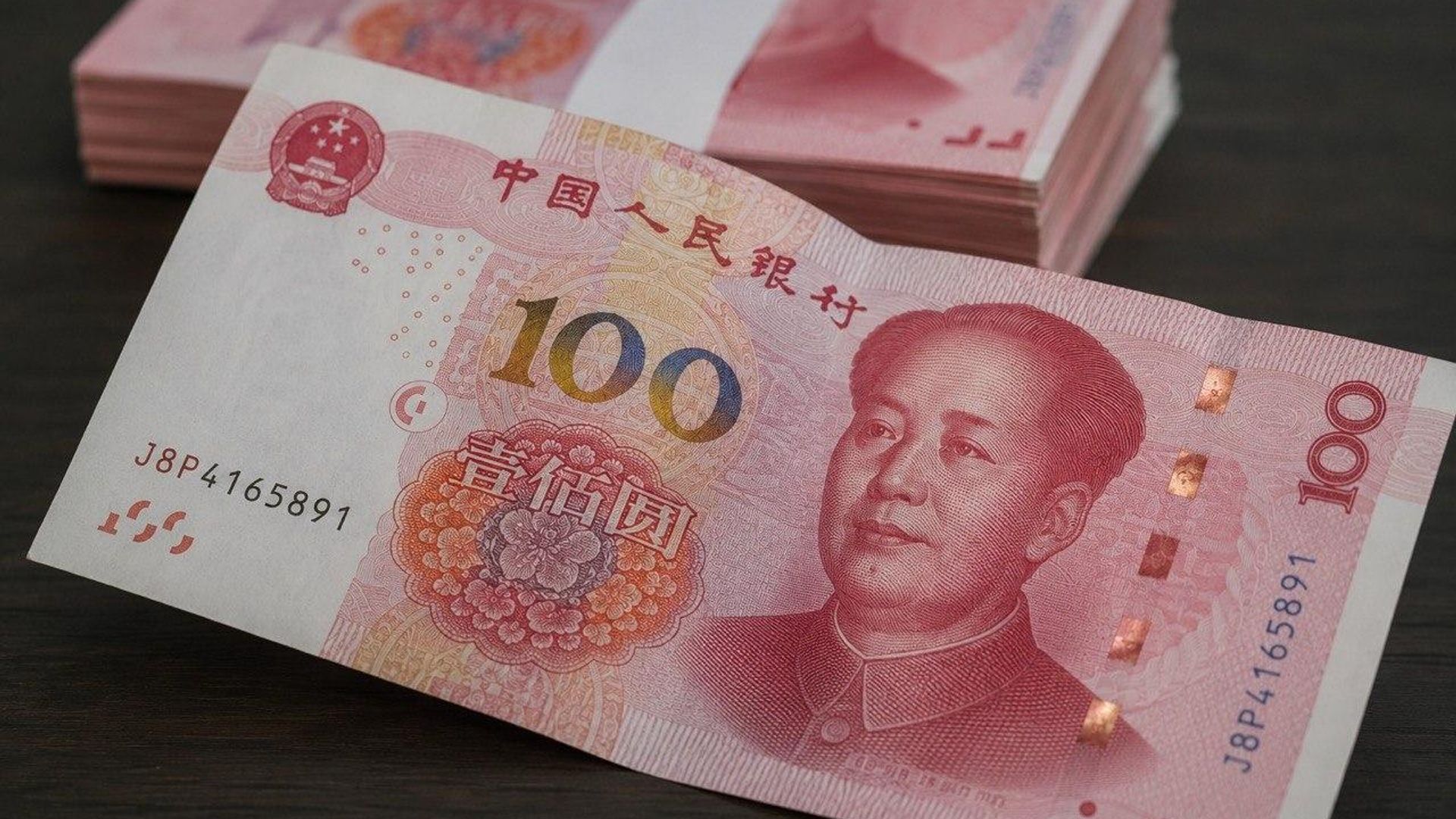
As more African countries deepen trade and financial ties with China, the Chinese renminbi [yuan] is emerging as a more prominent currency across the continent. While the shift is gathering pace, experts say its real value lies in giving African economies greater financial flexibility rather than replacing one dominant currency with another.
African governments are increasingly exploring local currency settlements, currency swap agreements, and reserve diversification as they seek to reduce transaction costs and lessen exposure to exchange rate volatility. These developments come amid broader discussions on reforming the global financial system and strengthening Africa’s economic resilience. Global South Pole spoke with Paul Frimpong, Executive Director and Senior Research Fellow at the Africa-China Centre for Policy & Advisory, Ghana, about the growing use of the yuan in Africa, what is driving the trend, and whether it could reshape the continent’s trade and financial future. Frimpong said the yuan’s growing role reflects a wider global push to diversify financial and trading arrangements, particularly as countries seek to reduce the risks associated with relying heavily on the US dollar. He argued that, given China’s position as Africa’s largest trading partner, expanding the use of the yuan could lower transaction costs, ease pressure on African currencies, and provide governments with greater flexibility. However, he stressed that the objective should not be to substitute one form of dependence for another but to broaden Africa’s financial options.To listen to the whole discussion, tune in to the Global South Pole podcast, brought to you by Sputnik Africa.In addition to the website, you can also catch our episodes on Telegram.► You can also listen to our podcast on Apple Podcasts, Spotify, Deezer, Castbox, Pocket Casts, Afripods, Podcast Addict, Overcast, and Mave Stream.► Check out all the episodes of Global South Pole
china
ghana
africa
united states (us)
Sputnik Africa
feedback@sputniknews.com
+74956456601
MIA „Rossiya Segodnya“
2026
Aliyu Bello
https://cdn1.img.sputniknews.africa/img/07e9/0a/16/1079780916_214:0:1067:853_100x100_80_0_0_4bd8916543c40cbb732ddb736f79e903.jpg
Aliyu Bello
https://cdn1.img.sputniknews.africa/img/07e9/0a/16/1079780916_214:0:1067:853_100x100_80_0_0_4bd8916543c40cbb732ddb736f79e903.jpg
News
en_EN
Sputnik Africa
feedback@sputniknews.com
+74956456601
MIA „Rossiya Segodnya“
Sputnik Africa
feedback@sputniknews.com
+74956456601
MIA „Rossiya Segodnya“
Aliyu Bello
https://cdn1.img.sputniknews.africa/img/07e9/0a/16/1079780916_214:0:1067:853_100x100_80_0_0_4bd8916543c40cbb732ddb736f79e903.jpg
china, ghana, africa, podcasts, economy, currency, local currency, alternative currency, united states (us), us sanctions, us dollar, de-dollarization, brics, economic growth, bretton woods system, international monetary fund (imf), world bank, loan, debt restructuring, debt, investment, yuan, reserves, аудио
china, ghana, africa, podcasts, economy, currency, local currency, alternative currency, united states (us), us sanctions, us dollar, de-dollarization, brics, economic growth, bretton woods system, international monetary fund (imf), world bank, loan, debt restructuring, debt, investment, yuan, reserves, аудио
China’s Yuan Gains Momentum Across Africa as De-dollarization Reshapes Global Finance
Aliyu Bello
Correspondent, Podcast Host
As more African countries deepen trade and financial ties with China, the Chinese renminbi [yuan] is emerging as a more prominent currency across the continent. While the shift is gathering pace, experts say its real value lies in giving African economies greater financial flexibility rather than replacing one dominant currency with another.
African governments are increasingly exploring local currency settlements, currency swap agreements, and reserve diversification as they seek to reduce transaction costs and lessen exposure to exchange rate volatility. These developments come amid broader discussions on reforming the global financial system and strengthening Africa’s economic resilience.
Global South Pole spoke with Paul Frimpong, Executive Director and Senior Research Fellow at the Africa-China Centre for Policy & Advisory, Ghana, about the growing use of the yuan in Africa, what is driving the trend, and whether it could reshape the continent’s trade and financial future.
Frimpong said the yuan’s growing role reflects a wider global push to diversify financial and trading arrangements, particularly as countries seek to reduce the risks associated with relying heavily on the US dollar. He argued that, given China’s position as Africa’s largest trading partner, expanding the use of the yuan could lower transaction costs, ease pressure on African currencies, and provide governments with greater flexibility. However, he stressed that the objective should not be to substitute one form of dependence for another but to broaden Africa’s financial options.
"It [growing use of the yuan] stems from the risk associated with depending on a single currency [...] the dollar has been a dominant currency [...] about 57% of disclosed reserves [...] what we are seeing now is more of diversification. [...] the dollar has been used as a sanction tool against many countries [...] which becomes a clear sign for countries to steer away to reduce that risk exposure. There's also economic risk: when the Fed raises interest rates, it affects developing countries because of our dollar-denominated debt [...] servicing costs increase, with pressure on local currencies. [...] we are also witnessing a more multipolar world, with China and the Global South gaining momentum, leading countries to ask why every transaction must still pass through the dollar," Frimpong said.
To listen to the whole discussion, tune in to the
Global South Pole podcast, brought to you by
Sputnik Africa.In addition to the website, you can also catch our episodes on
Telegram.► Check out all the episodes of Global South Pole