https://en.sputniknews.africa/20260731/africas-first-deep-underground-science-lab-could-transform-research-across-continent-academic-says-1087933844.html
Africa’s First Deep Underground Science Lab Could Transform Research Across Continent, Academic Says
Africa’s First Deep Underground Science Lab Could Transform Research Across Continent, Academic Says
Sputnik Africa
Africa is expanding its scientific infrastructure with projects designed to strengthen research, innovation, and technological development. As the continent... 31.07.2026, Sputnik Africa
2026-07-31T15:34+0200
2026-07-31T15:34+0200
2026-07-31T15:34+0200
global south pole
south africa
africa
podcasts
research
innovation
education
technology
artificial intelligence (ai)
cooperation
https://cdn1.img.sputniknews.africa/img/07ea/07/1f/1087969552_0:80:1536:944_1920x0_80_0_0_38d69f3fb38563658956fcccc30efa34.jpg
Africa’s First Deep Underground Science Lab Could Transform Research Across Continent, Academic Says
Sputnik Africa
Africa is expanding its scientific infrastructure with projects designed to strengthen research, innovation, and technological development. As the continent invests in world-class facilities, scientists believe these initiatives could help build local expertise and position Africa as a stronger contributor to global scientific advancement.
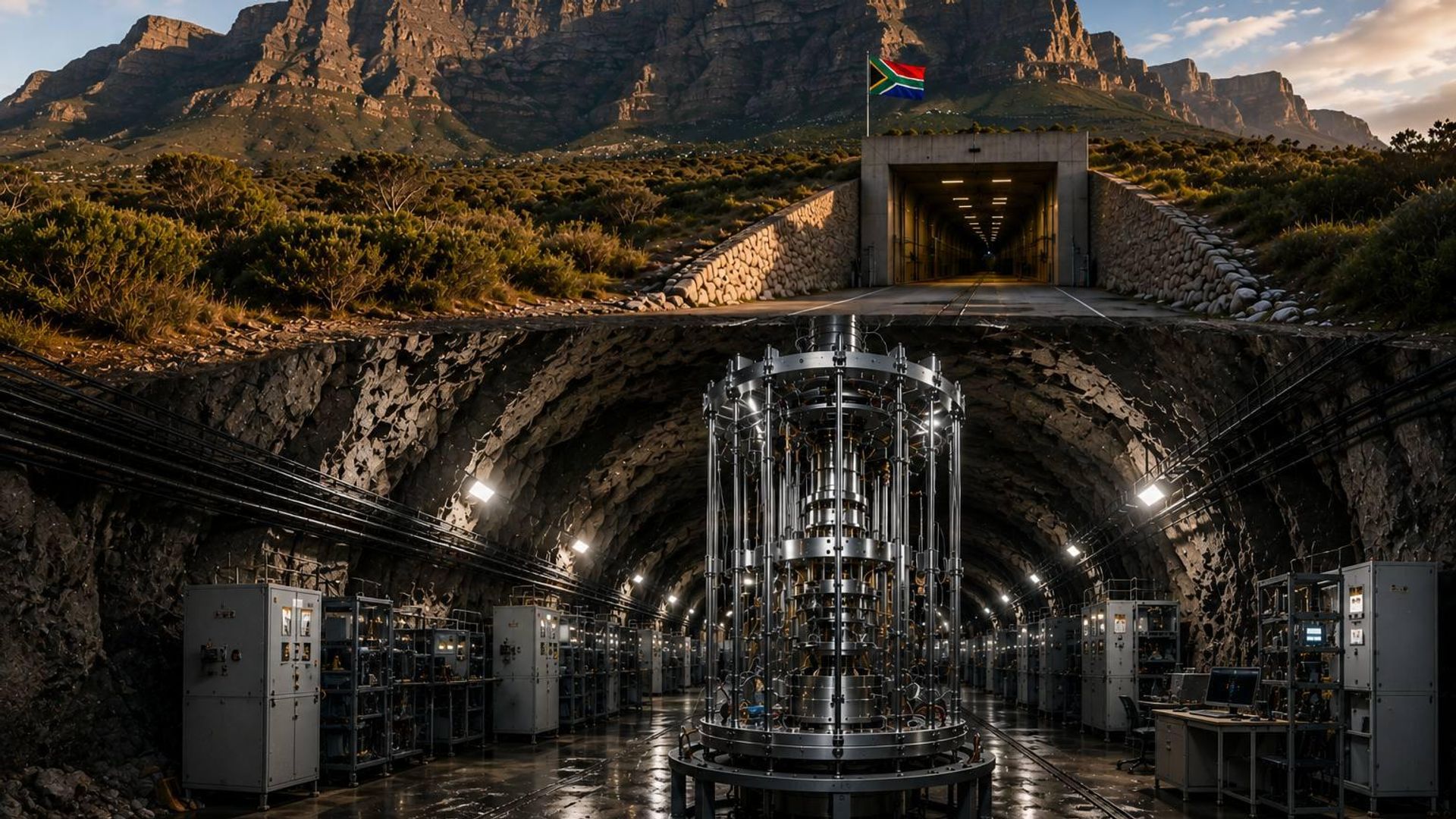
The Pearl Africa Underground Lab (PAUL), currently under development in South Africa, is expected to become the continent’s first dedicated deep underground multidisciplinary research laboratory. Built around 800 meters beneath the Du Toitskloof Mountains, the facility will provide an ultra-low background environment for advanced scientific research while supporting disciplines ranging from particle physics and geology to artificial intelligence, environmental science, and quantum technologies.Global South Pole spoke with Professor Sibusiso Moyo, Deputy Vice-Chancellor for Research, Innovation, and Internationalization at Stellenbosch University in South Africa, to discuss the significance of the project, the opportunities it presents for African researchers, and how it could strengthen the continent’s long-term scientific capacity.Moyo said the laboratory would give Africa access to world-class research infrastructure capable of supporting experiments previously unavailable on the continent while creating opportunities for collaboration, postgraduate training, and technological innovation. She added that the facility could help retain scientific talent, strengthen partnerships with leading international research institutions, and contribute to industries such as mining, healthcare, and environmental monitoring, provided sustained funding and collaboration are secured.To listen to the whole discussion, tune in to the Global South Pole podcast, brought to you by Sputnik Africa.In addition to the website, you can also catch our episodes on Telegram.► You can also listen to our podcast on Apple Podcasts, Spotify, Deezer, Castbox, Pocket Casts, Afripods, Podcast Addict, Overcast, and Mave Stream.► Check out all the episodes of Global South Pole
south africa
africa
Sputnik Africa
feedback@sputniknews.com
+74956456601
MIA „Rossiya Segodnya“
2026
Aliyu Bello
https://cdn1.img.sputniknews.africa/img/07e9/0a/16/1079780916_214:0:1067:853_100x100_80_0_0_4bd8916543c40cbb732ddb736f79e903.jpg
Aliyu Bello
https://cdn1.img.sputniknews.africa/img/07e9/0a/16/1079780916_214:0:1067:853_100x100_80_0_0_4bd8916543c40cbb732ddb736f79e903.jpg
News
en_EN
Sputnik Africa
feedback@sputniknews.com
+74956456601
MIA „Rossiya Segodnya“
Sputnik Africa
feedback@sputniknews.com
+74956456601
MIA „Rossiya Segodnya“
Aliyu Bello
https://cdn1.img.sputniknews.africa/img/07e9/0a/16/1079780916_214:0:1067:853_100x100_80_0_0_4bd8916543c40cbb732ddb736f79e903.jpg
south africa, africa, podcasts, research, innovation, education, technology, artificial intelligence (ai), cooperation, physics, аудио
south africa, africa, podcasts, research, innovation, education, technology, artificial intelligence (ai), cooperation, physics, аудио
Africa’s First Deep Underground Science Lab Could Transform Research Across Continent, Academic Says
Aliyu Bello
Correspondent, Podcast Host
Africa is expanding its scientific infrastructure with projects designed to strengthen research, innovation, and technological development. As the continent invests in world-class facilities, scientists believe these initiatives could help build local expertise and position Africa as a stronger contributor to global scientific advancement.
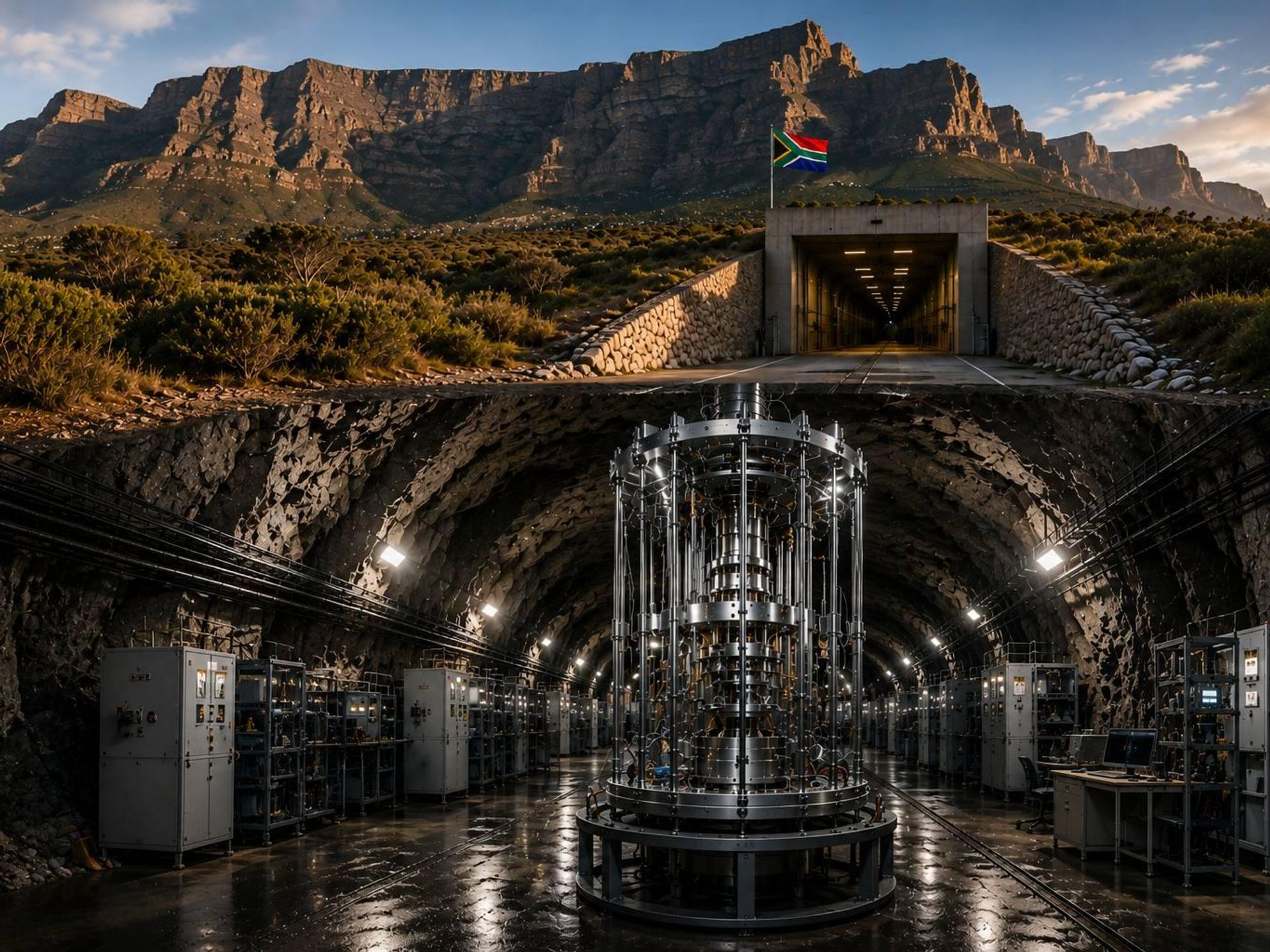
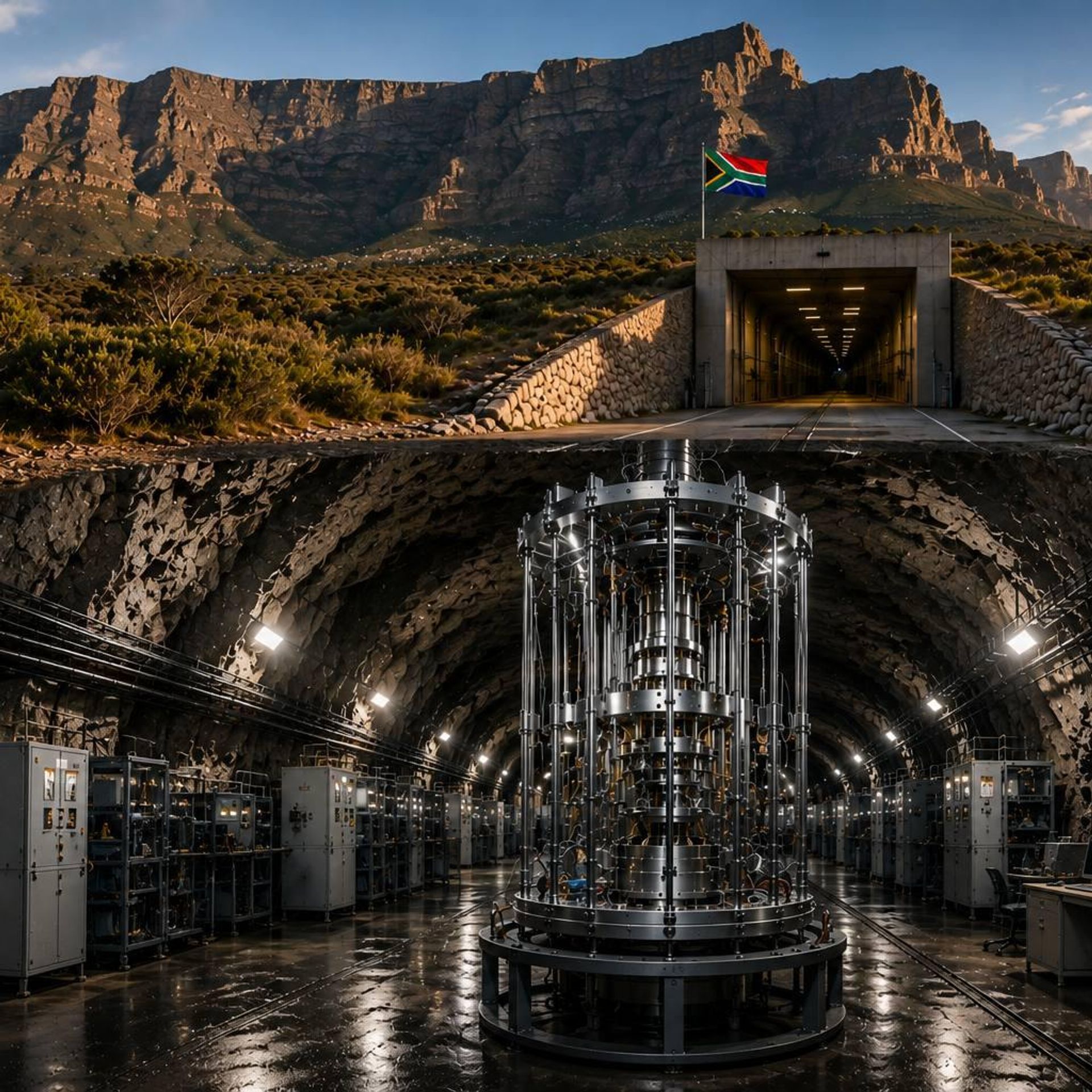
The Pearl Africa Underground Lab (PAUL), currently under development in South Africa, is expected to become the continent’s first dedicated deep underground multidisciplinary research laboratory. Built around 800 meters beneath the Du Toitskloof Mountains, the facility will provide an ultra-low background environment for advanced scientific research while supporting disciplines ranging from particle physics and geology to artificial intelligence, environmental science, and quantum technologies.
Global South Pole spoke with Professor Sibusiso Moyo, Deputy Vice-Chancellor for Research, Innovation, and Internationalization at Stellenbosch University in South Africa, to discuss the significance of the project, the opportunities it presents for African researchers, and how it could strengthen the continent’s long-term scientific capacity.
Moyo said the laboratory would give Africa access to world-class research infrastructure capable of supporting experiments previously unavailable on the continent while creating opportunities for collaboration, postgraduate training, and technological innovation. She added that the facility could help retain scientific talent, strengthen partnerships with leading international research institutions, and contribute to industries such as mining, healthcare, and environmental monitoring, provided sustained funding and collaboration are secured.
"We want to be at the forefront where we are not just users of different technologies but also producers of the knowledge behind those technologies and also of the design and possibly the manufacturing component of that," Professor Moyo said.
To listen to the whole discussion, tune in to the
Global South Pole podcast, brought to you by
Sputnik Africa.In addition to the website, you can also catch our episodes on
Telegram.► Check out all the episodes of Global South Pole