https://en.sputniknews.africa/20260721/africa-must-build-maritime-strength-from-within-south-african-researcher-says-1087596382.html
Africa Must Build Maritime Strength From Within, South African Researcher Says
Africa Must Build Maritime Strength From Within, South African Researcher Says
Sputnik Africa
As Africa seeks to strengthen maritime security in an increasingly multipolar world, experts argue the continent must move beyond dependence on foreign... 21.07.2026, Sputnik Africa
2026-07-21T13:22+0200
2026-07-21T13:22+0200
2026-07-21T13:22+0200
global south pole
podcasts
lagos
africa
south africa
military
military cooperation
military base
military exercises
military drills
https://cdn1.img.sputniknews.africa/img/07ea/07/15/1087694679_0:214:2881:1835_1920x0_80_0_0_199280e551c640a02d7beedade08e9de.jpg
Africa Must Build Maritime Strength From Within, South African Researcher Says
Sputnik Africa
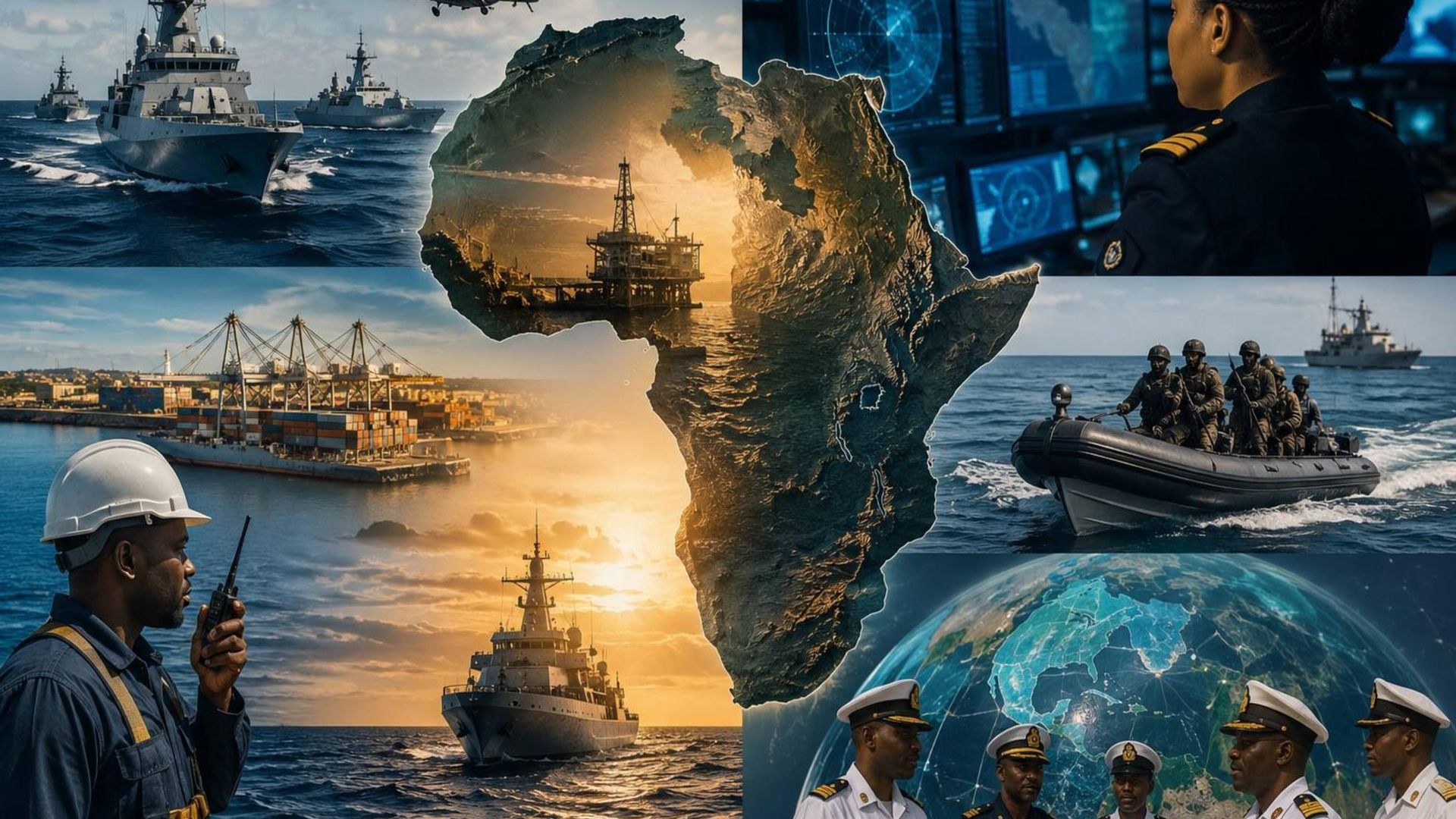
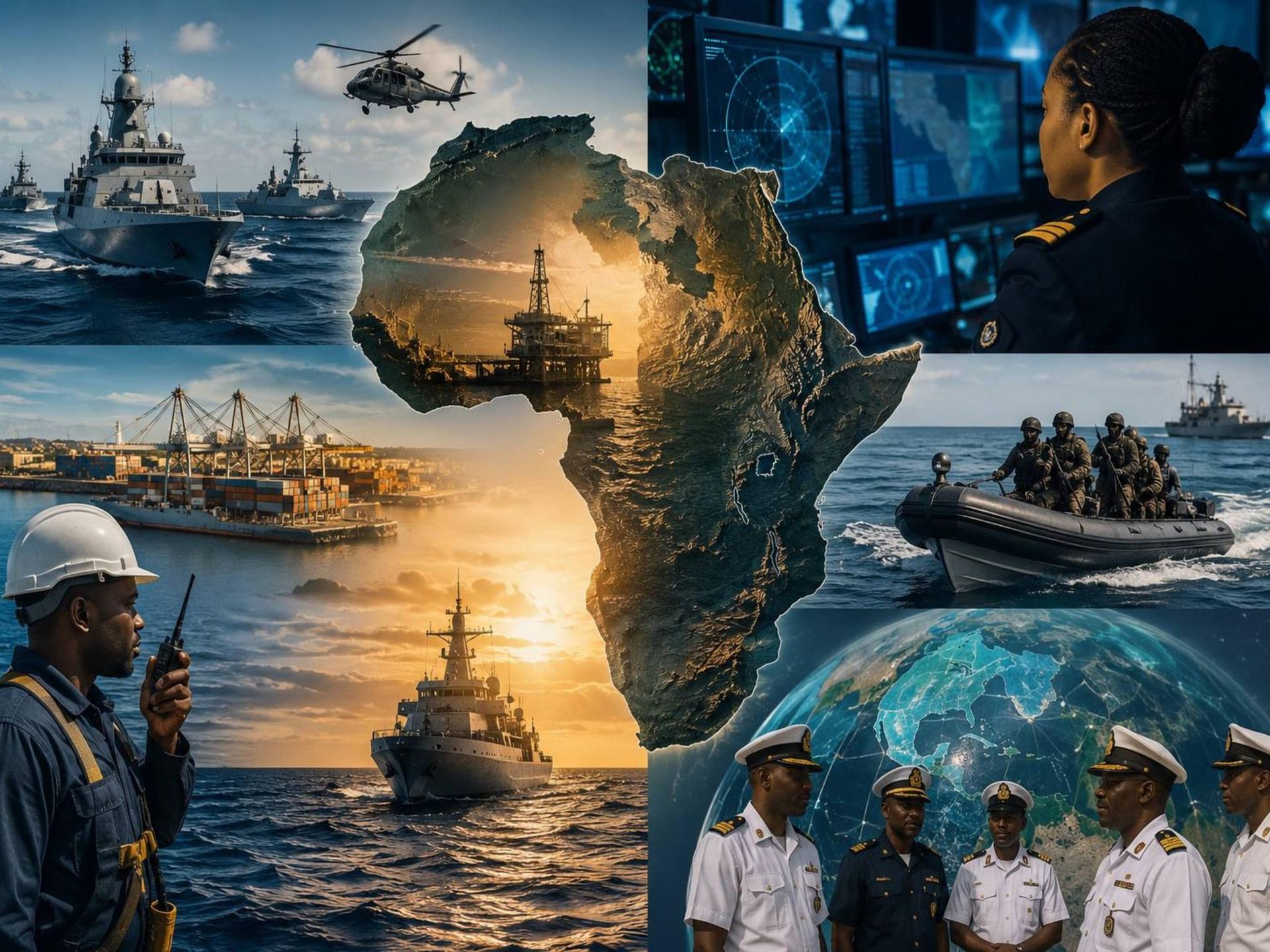
As Africa seeks to strengthen maritime security in an increasingly multipolar world, experts argue the continent must move beyond dependence on foreign partners and develop long-term strategic capabilities. They say maritime sovereignty is not only about protecting coastlines but also securing Africa’s economic future, trade and strategic autonomy.
Africa’s maritime domain supports more than 90% of the continent’s international trade by volume and underpins fisheries, offshore energy, maritime commerce, and the growing blue economy. Yet despite growing investments in maritime security, many African countries continue to rely heavily on foreign partners for naval technology, surveillance systems, and defense capabilities. The conversation gained renewed attention during the Sea Power for Africa Symposium in Lagos, where South African Navy Chief Vice Admiral Monde Lobese urged African countries to develop indigenous maritime solutions. He said the continent possessed the human capital, intellectual capacity and natural resources to build sustainable answers to its own maritime security challenges while strengthening cooperation among African navies.To examine what greater indigenous maritime capability and African naval cooperation could mean for the continent’s future, Global South Pole spoke with Dr. Joan Swart, Researcher in Strategic Studies at the Faculty of Military Science, Stellenbosch University, South Africa.Swart argued that maritime sovereignty extends far beyond defending territorial waters. She said African states should focus on developing long-term national strategies, investing in education and research, and strengthening partnerships that reinforce domestic capabilities instead of creating new dependencies. According to her, strategic autonomy allows countries to cooperate internationally while retaining the freedom to make sovereign decisions.To listen to the whole discussion, tune in to the Global South Pole podcast, brought to you by Sputnik Africa.In addition to the website, you can also catch our episodes on Telegram.► You can also listen to our podcast on Apple Podcasts, Spotify, Deezer, Castbox, Pocket Casts, Afripods, Podcast Addict, Overcast, and Mave Stream.► Check out all the episodes of Global South Pole
lagos
africa
south africa
Sputnik Africa
feedback@sputniknews.com
+74956456601
MIA „Rossiya Segodnya“
2026
Aliyu Bello
https://cdn1.img.sputniknews.africa/img/07e9/0a/16/1079780916_214:0:1067:853_100x100_80_0_0_4bd8916543c40cbb732ddb736f79e903.jpg
Aliyu Bello
https://cdn1.img.sputniknews.africa/img/07e9/0a/16/1079780916_214:0:1067:853_100x100_80_0_0_4bd8916543c40cbb732ddb736f79e903.jpg
News
en_EN
Sputnik Africa
feedback@sputniknews.com
+74956456601
MIA „Rossiya Segodnya“
Sputnik Africa
feedback@sputniknews.com
+74956456601
MIA „Rossiya Segodnya“
Aliyu Bello
https://cdn1.img.sputniknews.africa/img/07e9/0a/16/1079780916_214:0:1067:853_100x100_80_0_0_4bd8916543c40cbb732ddb736f79e903.jpg
podcasts, lagos, africa, south africa, military, military cooperation, military base, military exercises, military drills, defense, defense minister, navy, cooperation, technology, research, water resources, ship, strategic partnership, аудио
podcasts, lagos, africa, south africa, military, military cooperation, military base, military exercises, military drills, defense, defense minister, navy, cooperation, technology, research, water resources, ship, strategic partnership, аудио
Africa Must Build Maritime Strength From Within, South African Researcher Says
Aliyu Bello
Correspondent, Podcast Host
As Africa seeks to strengthen maritime security in an increasingly multipolar world, experts argue the continent must move beyond dependence on foreign partners and develop long-term strategic capabilities. They say maritime sovereignty is not only about protecting coastlines but also securing Africa’s economic future, trade and strategic autonomy.
Africa’s maritime domain supports more than 90% of the continent’s international trade by volume and underpins fisheries, offshore energy, maritime commerce, and the growing blue economy. Yet despite growing investments in maritime security, many African countries continue to rely heavily on foreign partners for naval technology, surveillance systems, and defense capabilities.
The conversation gained renewed attention during the Sea Power for Africa Symposium in Lagos, where South African Navy Chief Vice Admiral Monde Lobese urged African countries to develop indigenous maritime solutions. He said the continent possessed the human capital, intellectual capacity and natural resources to build sustainable answers to its own maritime security challenges while strengthening cooperation among African navies.
To examine what greater indigenous maritime capability and African naval cooperation could mean for the continent’s future, Global South Pole spoke with Dr. Joan Swart, Researcher in Strategic Studies at the Faculty of Military Science, Stellenbosch University, South Africa.
Swart argued that maritime sovereignty extends far beyond defending territorial waters. She said African states should focus on developing long-term national strategies, investing in education and research, and strengthening partnerships that reinforce domestic capabilities instead of creating new dependencies. According to her, strategic autonomy allows countries to cooperate internationally while retaining the freedom to make sovereign decisions.
"Maritime sovereignty is far more than protecting territorial waters. So it’s the ability of the state to govern its maritime domain, which means protecting trade, resources, infrastructure and enforcing its own laws. So as we all know the world is becoming increasingly multipolar and in such a world sovereignty means engaging international partners but most important from a position of capability and strategic choice rather than dependence [...] so we should build from within to act from strength rather than dependence, and then strategic autonomy also means freedom of action to have a choice in which way to act and not necessarily to isolate oneself," Dr. Swart explained.
To listen to the whole discussion, tune in to the
Global South Pole podcast, brought to you by
Sputnik Africa.In addition to the website, you can also catch our episodes on
Telegram.► Check out all the episodes of Global South Pole