From Colonial Past to Victorious Present: Cape Verde Celebrates 51 Years of Independence
22:47 05.07.2026 (Updated: 23:47 05.07.2026)
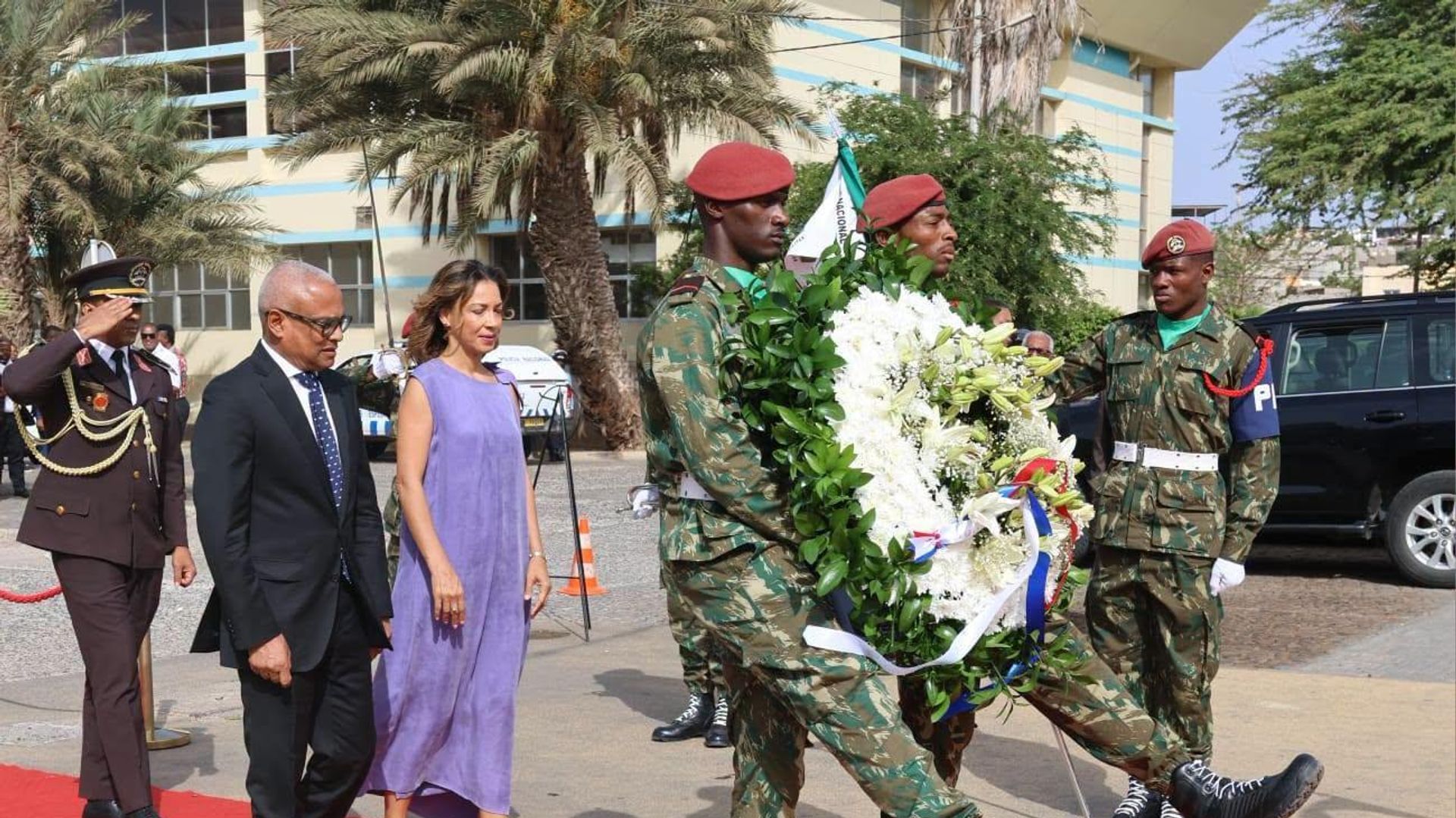
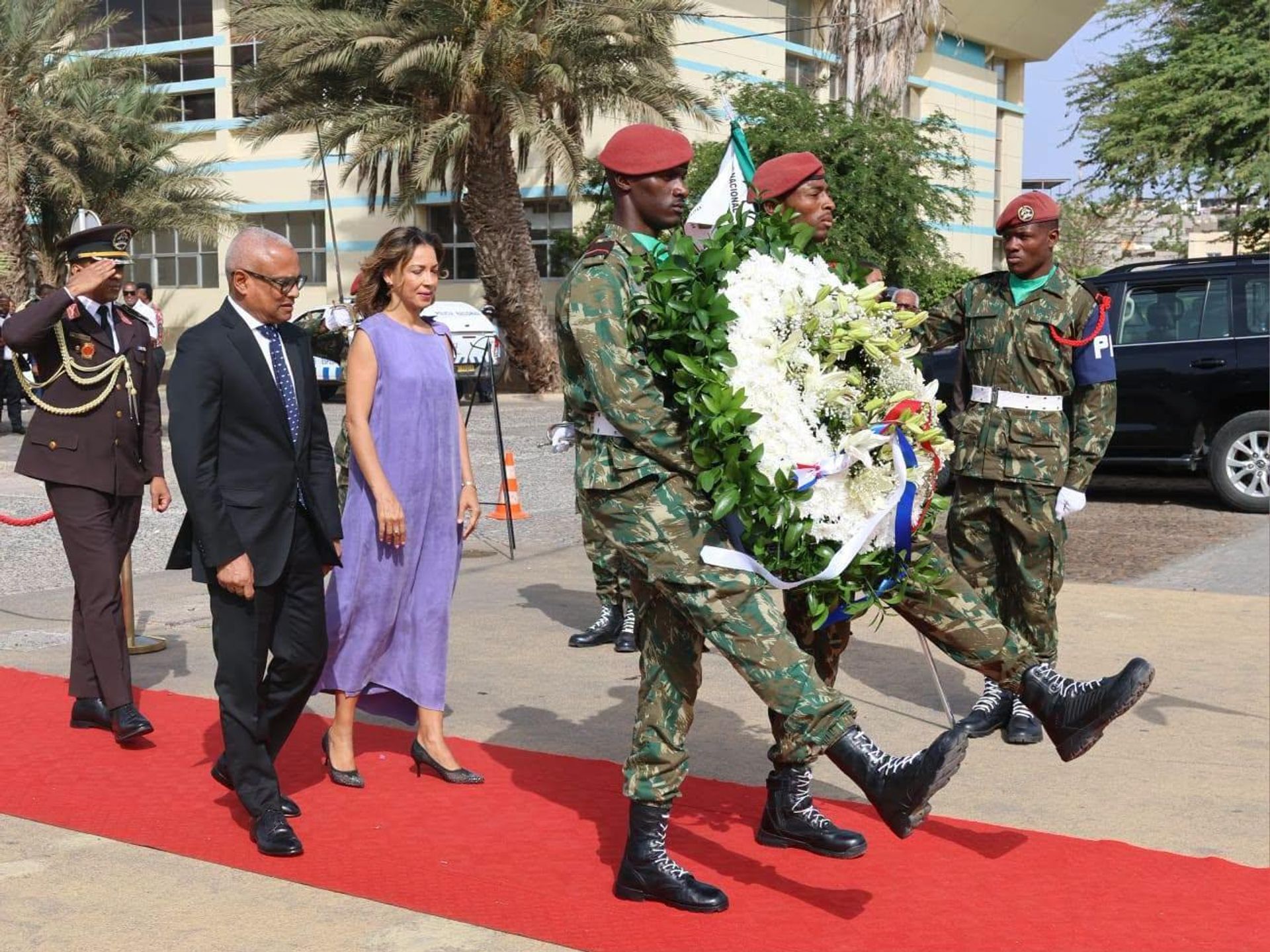
© Photo José Maria Neves Presidente
Subscribe
"Today, Cape Verde is born to be a winning country," President Jose Maria Neves said in his celebratory speech, highlighting the symbolic arrival of the national football team on this historic day, after their heroic participation in the World Cup 2026.
Key facts about Cape Verde's journey:
🟠Portuguese settlers established the first settlement on the archipelago in 1461, making it the first European overseas colony in sub-Saharan Africa.
🟠For centuries, Cape Verde was a hub for the transatlantic slave trade and a place of exile for Portuguese political prisoners, until slavery was finally abolished in 1878.
🟠The African Party for the Independence of Guinea and Cape Verde, led by Amílcar Cabral, spearheaded the independence movement in 1956.
🟠Cape Verde finally declared independence on 5 July 1975 with the first constitution being adopted in 1980.
With literacy rising from 35% in 1975 to around 90% today, and healthcare expanding to hundreds of medical professionals across most islands, Cape Verde—with a population of over 500,000—has become one of the most stable and developed nations in the region.
Key facts about Cape Verde's journey:
🟠Portuguese settlers established the first settlement on the archipelago in 1461, making it the first European overseas colony in sub-Saharan Africa.
🟠For centuries, Cape Verde was a hub for the transatlantic slave trade and a place of exile for Portuguese political prisoners, until slavery was finally abolished in 1878.
🟠The African Party for the Independence of Guinea and Cape Verde, led by Amílcar Cabral, spearheaded the independence movement in 1956.
🟠Cape Verde finally declared independence on 5 July 1975 with the first constitution being adopted in 1980.
With literacy rising from 35% in 1975 to around 90% today, and healthcare expanding to hundreds of medical professionals across most islands, Cape Verde—with a population of over 500,000—has become one of the most stable and developed nations in the region.