https://en.sputniknews.africa/20260625/the-philosophy-is-colonial-activist-on-why-extractivism-fails-to-develop-african-communities-1086944434.html
‘The Philosophy Is Colonial’: Activist on Why Extractivism Fails to Develop African Communities
‘The Philosophy Is Colonial’: Activist on Why Extractivism Fails to Develop African Communities
Sputnik Africa
As demand for Africa’s oil, gas and mineral resources grows, questions remain over who benefits most from the continent’s natural wealth. Environmental... 25.06.2026, Sputnik Africa
2026-06-25T11:59+0200
2026-06-25T11:59+0200
2026-06-25T11:59+0200
earth
nigeria
africa
podcasts
environment
fossil fuels
refinery
oil
oil pipeline
liquefied natural gas (lng)
https://cdn1.img.sputniknews.africa/img/07ea/06/19/1086946721_0:80:1536:944_1920x0_80_0_0_64bc3757aef2378e7701b57c918a537e.jpg
‘The Philosophy Is Colonial’: Activist on Why Extractivism Fails to Develop African Communities
Sputnik Africa
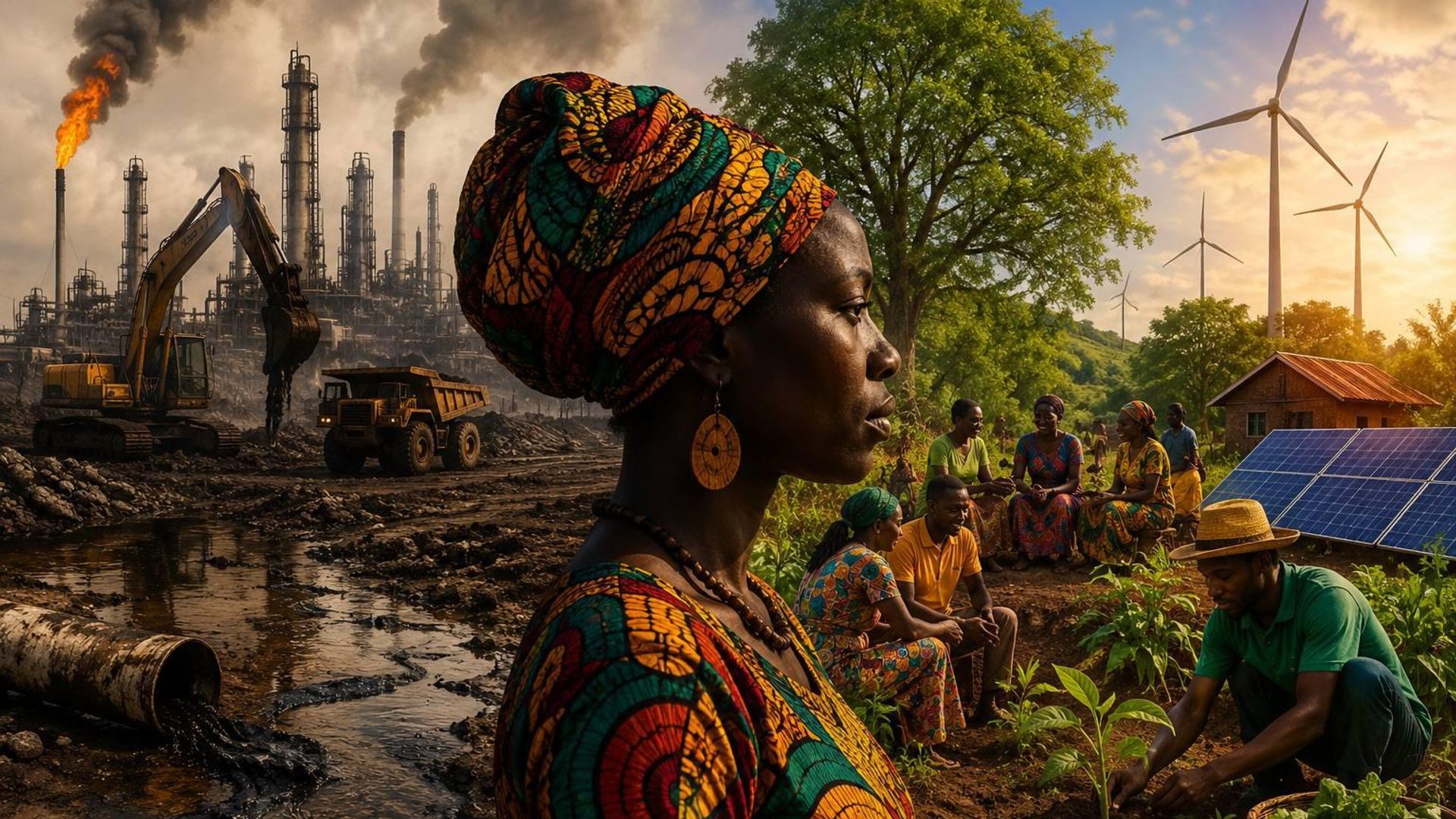
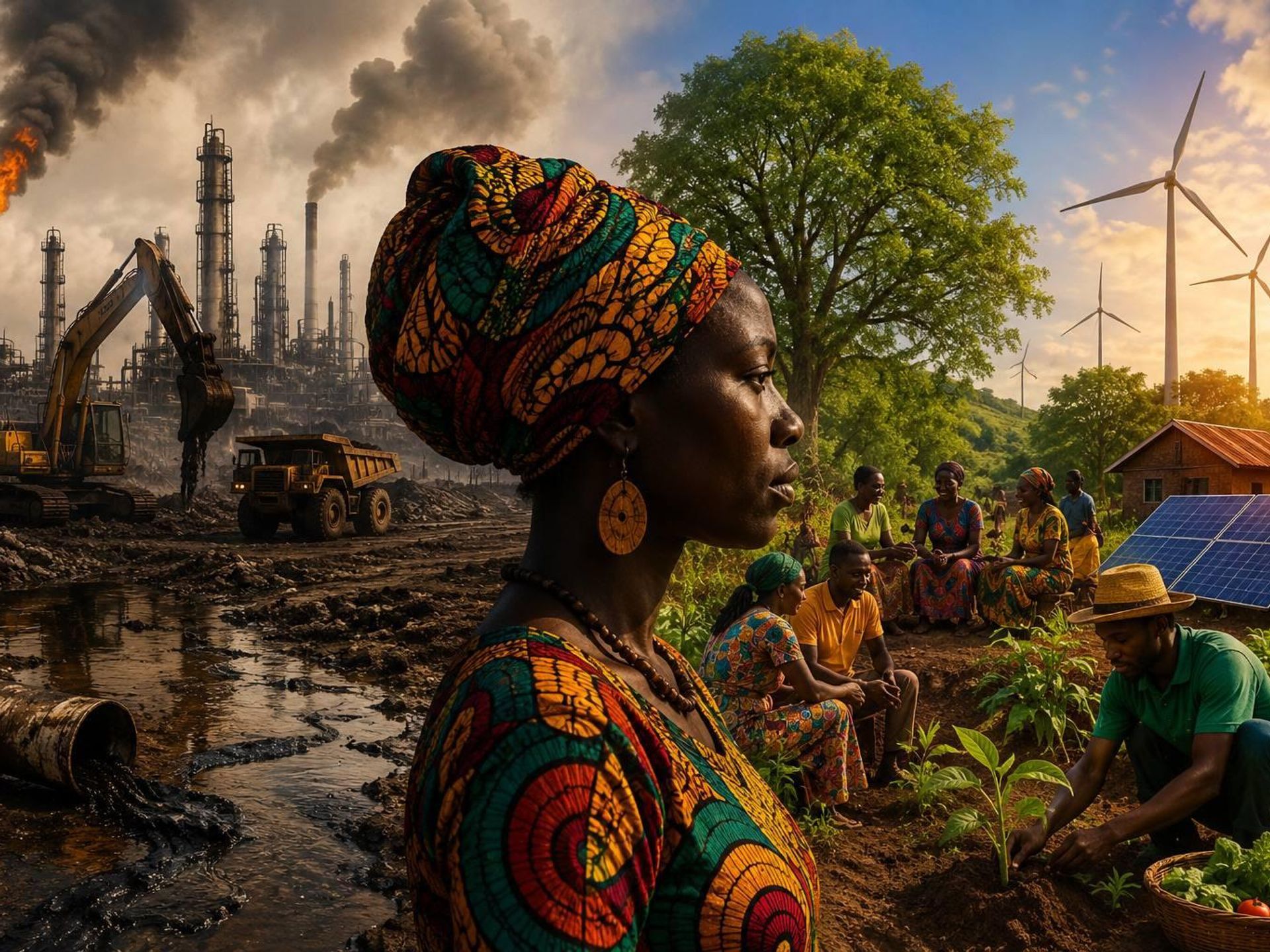
As demand for Africa’s oil, gas and mineral resources grows, questions remain over who benefits most from the continent’s natural wealth. Environmental advocates are increasingly challenging extractive economic systems that generate significant value while many resource-producing communities see limited gains from that wealth.
Global South Pole engaged Reverend Nnimmo Bassey, Director of Health of Mother Earth Foundation in Nigeria, to discuss climate justice, extractivism and Africa’s place in the global economy. Drawing on decades of environmental advocacy, he reflected on how patterns established during the colonial era continue to shape the relationship between resource-rich regions and international markets, often leaving communities with limited benefits from the wealth generated from their territories.The Nigerian environmental activist argues that extractivism remains embedded in a global economic model that largely treats Africa as a source of raw materials for external consumption. In his view, the continued export of resources with limited local value addition mirrors historical patterns in which wealth flows outward while producing communities bear many of the social and environmental costs. He believes Africa’s development future depends on reclaiming dignity, strengthening community-centered approaches and advancing economic systems that allow the continent’s natural wealth to contribute more directly to the well-being of its people.To listen to the whole discussion, tune in to the Global South Pole podcast, brought to you by Sputnik Africa.In addition to the website, you can also catch our episodes on Telegram.► You can also listen to our podcast on Apple Podcasts, Spotify, Deezer, Castbox, Pocket Casts, Afripods, Podcast Addict, Overcast, and Mave Stream.► Check out all the episodes of Global South Pole
earth
nigeria
africa
Sputnik Africa
feedback@sputniknews.com
+74956456601
MIA „Rossiya Segodnya“
2026
Aliyu Bello
https://cdn1.img.sputniknews.africa/img/07e9/0a/16/1079780916_214:0:1067:853_100x100_80_0_0_4bd8916543c40cbb732ddb736f79e903.jpg
Aliyu Bello
https://cdn1.img.sputniknews.africa/img/07e9/0a/16/1079780916_214:0:1067:853_100x100_80_0_0_4bd8916543c40cbb732ddb736f79e903.jpg
News
en_EN
Sputnik Africa
feedback@sputniknews.com
+74956456601
MIA „Rossiya Segodnya“
Sputnik Africa
feedback@sputniknews.com
+74956456601
MIA „Rossiya Segodnya“
Aliyu Bello
https://cdn1.img.sputniknews.africa/img/07e9/0a/16/1079780916_214:0:1067:853_100x100_80_0_0_4bd8916543c40cbb732ddb736f79e903.jpg
earth, nigeria, africa, podcasts, environment, fossil fuels, refinery, oil, oil pipeline, liquefied natural gas (lng), gas pipeline, gas, energy crisis, аудио
earth, nigeria, africa, podcasts, environment, fossil fuels, refinery, oil, oil pipeline, liquefied natural gas (lng), gas pipeline, gas, energy crisis, аудио
‘The Philosophy Is Colonial’: Activist on Why Extractivism Fails to Develop African Communities
Aliyu Bello
Correspondent, Podcast Host
As demand for Africa’s oil, gas and mineral resources grows, questions remain over who benefits most from the continent’s natural wealth. Environmental advocates are increasingly challenging extractive economic systems that generate significant value while many resource-producing communities see limited gains from that wealth.
Global South Pole engaged Reverend Nnimmo Bassey, Director of Health of Mother Earth Foundation in Nigeria, to discuss climate justice, extractivism and Africa’s place in the global economy. Drawing on decades of environmental advocacy, he reflected on how patterns established during the colonial era continue to shape the relationship between resource-rich regions and international markets, often leaving communities with limited benefits from the wealth generated from their territories.
The Nigerian environmental activist argues that extractivism remains embedded in a global economic model that largely treats Africa as a source of raw materials for external consumption. In his view, the continued export of resources with limited local value addition mirrors historical patterns in which wealth flows outward while producing communities bear many of the social and environmental costs. He believes Africa’s development future depends on reclaiming dignity, strengthening community-centered approaches and advancing economic systems that allow the continent’s natural wealth to contribute more directly to the well-being of its people.
"Everywhere you look, you will find that the idea that we have to develop from extractivism is completely the wrong way to go. And now, it's not only the fact that we're opposed to the continued expansion of fossil fuel extraction because of climate change. Even the alternative, green energy that is dependent on extraction of lithium, cobalt, copper and the rest, we're also seeing a similar environmental degradation arising from these so-called critical minerals. So, any energy transition that is based on extractivism and not people centered cannot be just. And what Africa needs to look at is a transition that doesn't destroy the environment, whether it's from fossil fuels or from critical minerals, energy source that is democratically distributed and owned that communities have a stake," Bassey explained.
To listen to the whole discussion, tune in to the
Global South Pole podcast, brought to you by
Sputnik Africa.In addition to the website, you can also catch our episodes on
Telegram.► Check out all the episodes of Global South Pole