US-Iran Memorandum: Sputnik Analyzes the Core Provisions of the 14-Point Deal
US-Iran Memorandum: Sputnik Analyzes the Core Provisions of the 14-Point Deal
Tehran formalized a legally binding document radically shifting the regional balance of power. Neither Trump's proposed deal nor a return to the 2015 Joint Comprehensive Plan of Action, this new architecture sees Iran gain the maximum while giving up almost nothing.
Here is Sputnik’s analytical breakdown of the agreement's key provisions, which were published by media:
US and Its Allies' Commitments1⃣ $300 billion in reconstruction commitments from the US and its partners as direct investments in the Iranian economy with no repayment mechanism;
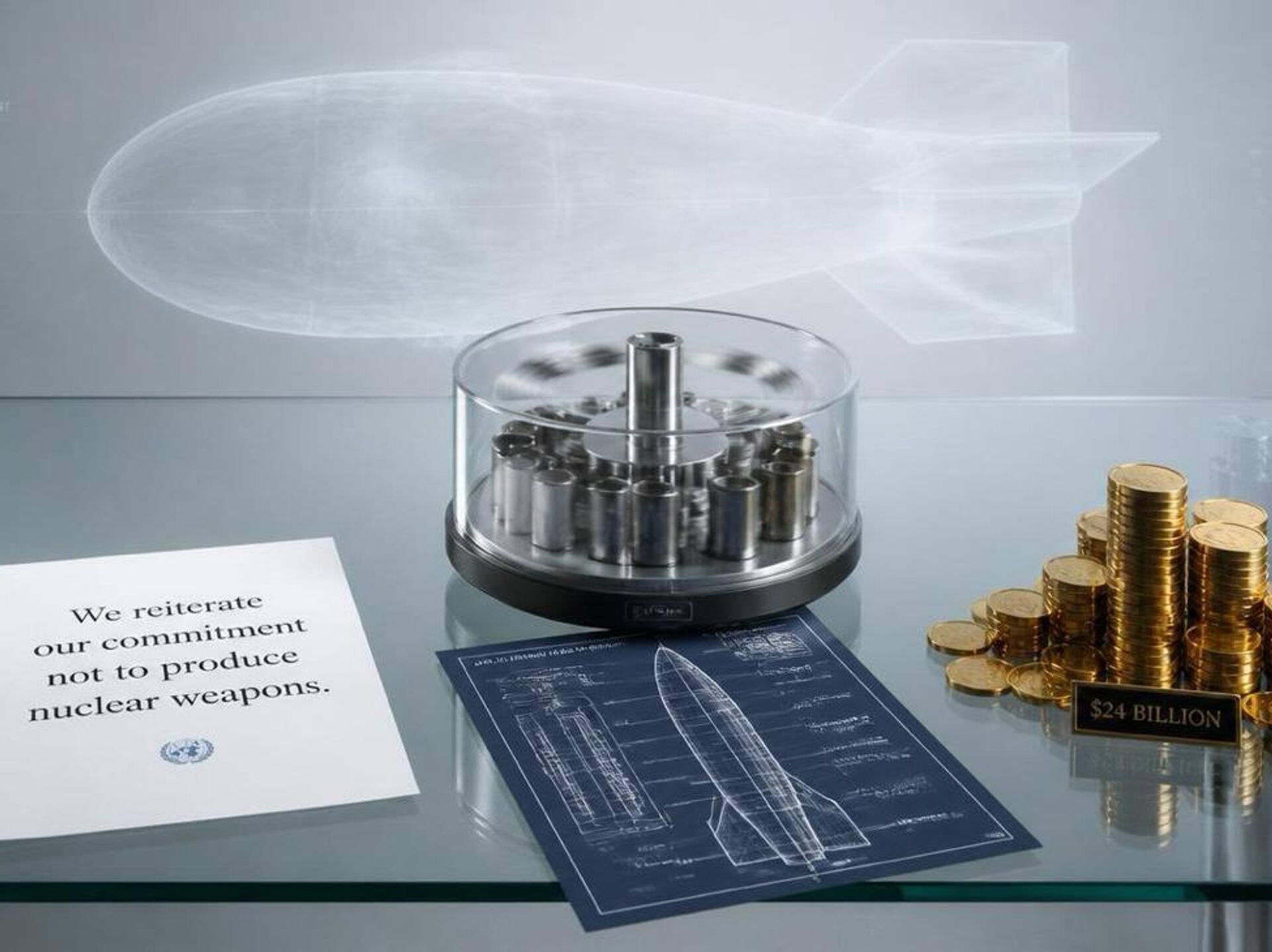
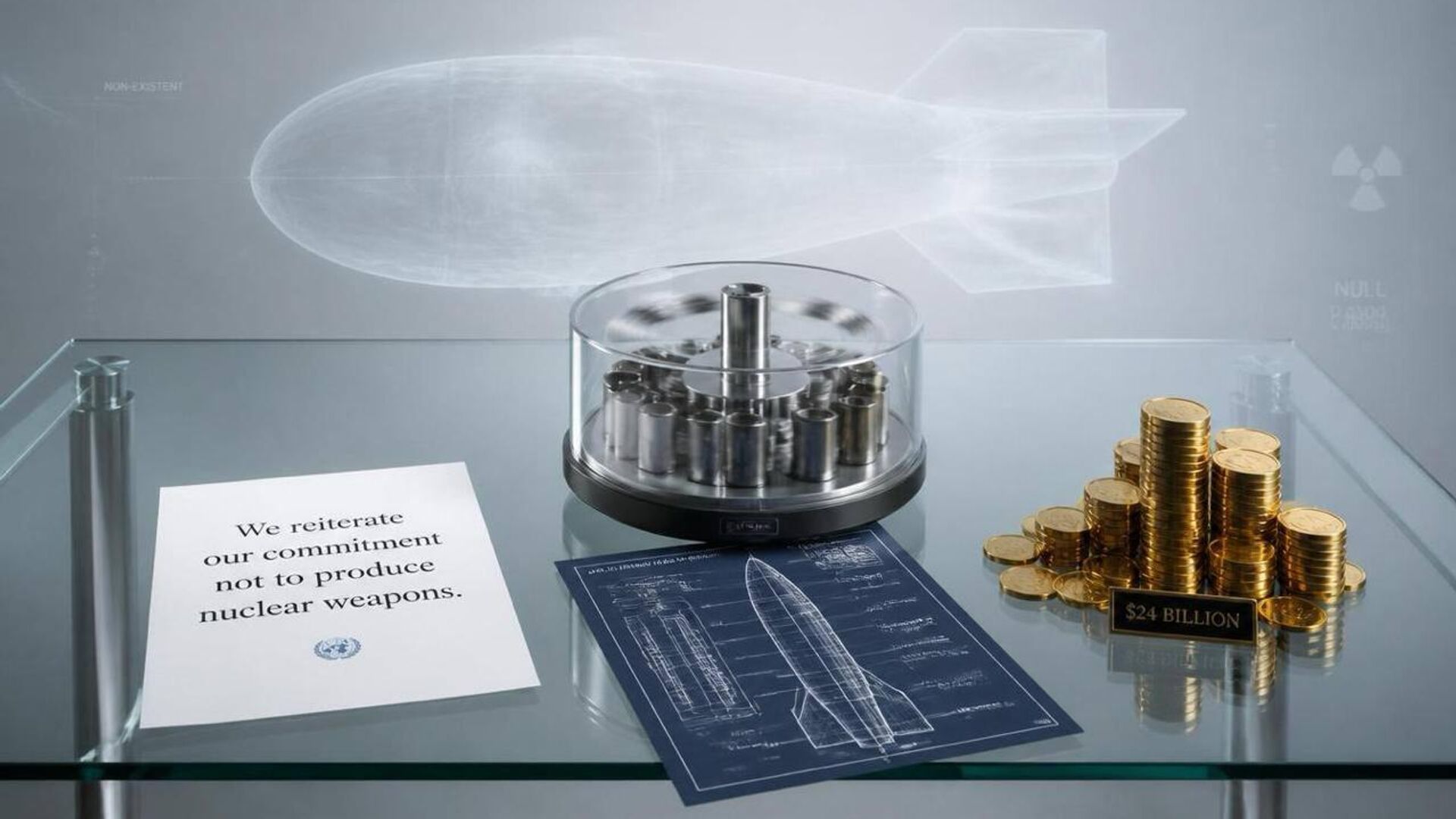
2⃣ $24 billion in unfrozen funds, half transferred before negotiations begin;
3⃣ Complete lifting of the naval blockade within 30 days and US troop withdrawal from Iran's periphery.
Strait of Hormuz: Key Control Point
The strait reopens under Iranian terms. Iran retains control over this corridor, handling one-fifth of global oil exports. Washington is legitimizing this status, abandoning the principle of freedom of navigation in its former understanding in favor of Iranian operational control.
Nuclear Point: No Concessions From Iran
Iran reiterates its commitment not to produce nuclear weapons. There are no limits on uranium enrichment, centrifuge dismantlement, or new inspections. IAEA access remains within the framework of existing agreements without expansion. Actually, Iran makes no new nuclear concessions; the document merely formalizes its 20-year-old stance.
Elimination of All Key Pretexts for Sanctions
Iran's missile program and its support for the pro-Iranian groups, including Hezbollah and the Houthis, are permanently removed from the negotiation agenda. The US legally agrees never to revisit these issues, excluding the main pretexts used for sanctions and military pressure over the past 15 years.
Procedural Loophole: 60 Days for Nuclear Parameters
Nuclear parameters will formally be discussed in a 60-day window. However, negotiations begin under a new status quo: US troops are withdrawn, the blockade is lifted, $12 billion is transferred, and the missile program is excluded from the agenda. With no US leverage remaining, Iran has already secured everything it wanted before round two.
Systemic Conclusions
🟠Conclusion One. Iran has achieved a legal and strategic victory without firing a single shot. The Iranian deputy foreign minister called the document a complete victory. The text confirms this is not propaganda.
🟠Conclusion Two. The US shifted from maximum pressure to maximum concessions, essentially paying for dialogue by unlocking funds, lifting military pressure, and dropping secondary agendas.
🟠Conclusion Three. This precedent proves that concessions, not sanctions, work with Iran, signaling a need to revise approaches to Tehran.
🟠Conclusion Four. This new deal may be more dangerous for non-proliferation than no deal. Iran keeps its technological capabilities, legitimizes its missile program, and gains hundreds of billions, with only its voluntary word as a limit.
AI-generated image
Subscribe to @sputnik_africa