Russian Scientists Travel to Sahel to Test Most Effective Mosquito Repellents
Russian Scientists Travel to Sahel to Test Most Effective Mosquito Repellents
Why the Sahel?
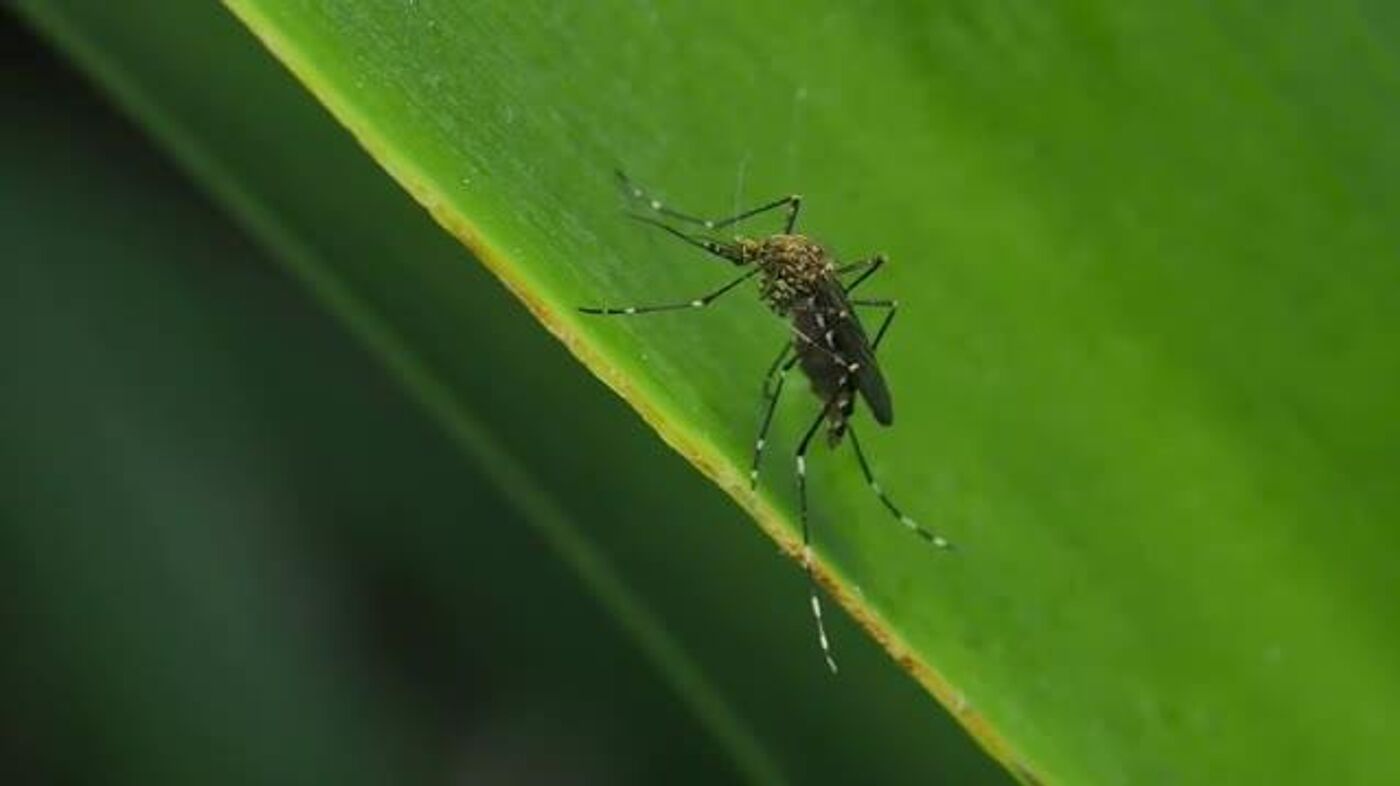
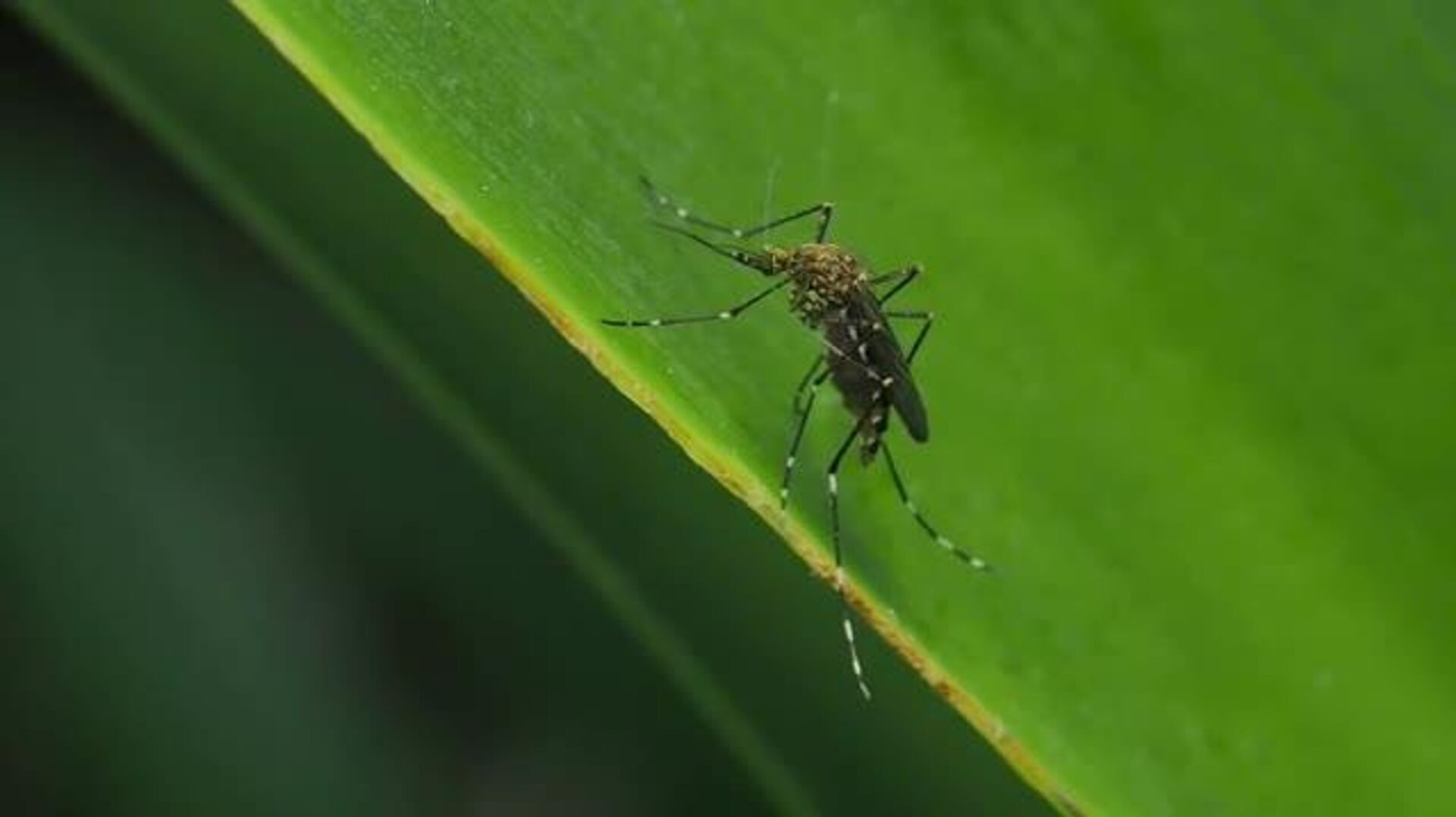
"To verify the actual effectiveness of protective devices, we went to the heart of the malaria epicenter, where mosquitoes are particularly aggressive and number in the thousands," said Roman Yakovlev, the study's lead author and a Russian researcher.
Where the tests took place:
The team tested fumigators and repellents in Mali’s Niger River floodplain and Sébénikoro, near Bamako, where dangerous Aedes, Anopheles and Culex mosquitoes remain active year-round.
Observations were carried out during peak mosquito activity periods — from 8 PM to 10 PM in urban areas and from 11 PM to 1 AM in locations farther from residential zones.
Results:
Most effective: Electronic heating devices proved to be the most effective. According to the researchers, they create an invisible protective "dome" around them, within which mosquitoes either lose their ability to detect hosts or die while flying.
Less effective: Smoke coils, scented candles and ultrasonic devices performed significantly worse.
The study was conducted by scientists from Tyumen State University and Tomsk State University in cooperation with colleagues from Mali, Guinea, Hungary, Germany, Greece, Canada, Lithuania and the US.
Subscribe to @sputnik_africa