Forged in Flight: Evolution of Russian Fighter Jets
09:21 13.05.2026 (Updated: 10:08 13.05.2026)
© telegram sputnik_africa
Subscribe
Forged in flight: Evolution of Russian fighter jets
The history of Russian fighters is a story of relentless pursuit of perfection, bold engineering, and the ability to overcome any enemy. Every such aircraft marks a significant step forward:
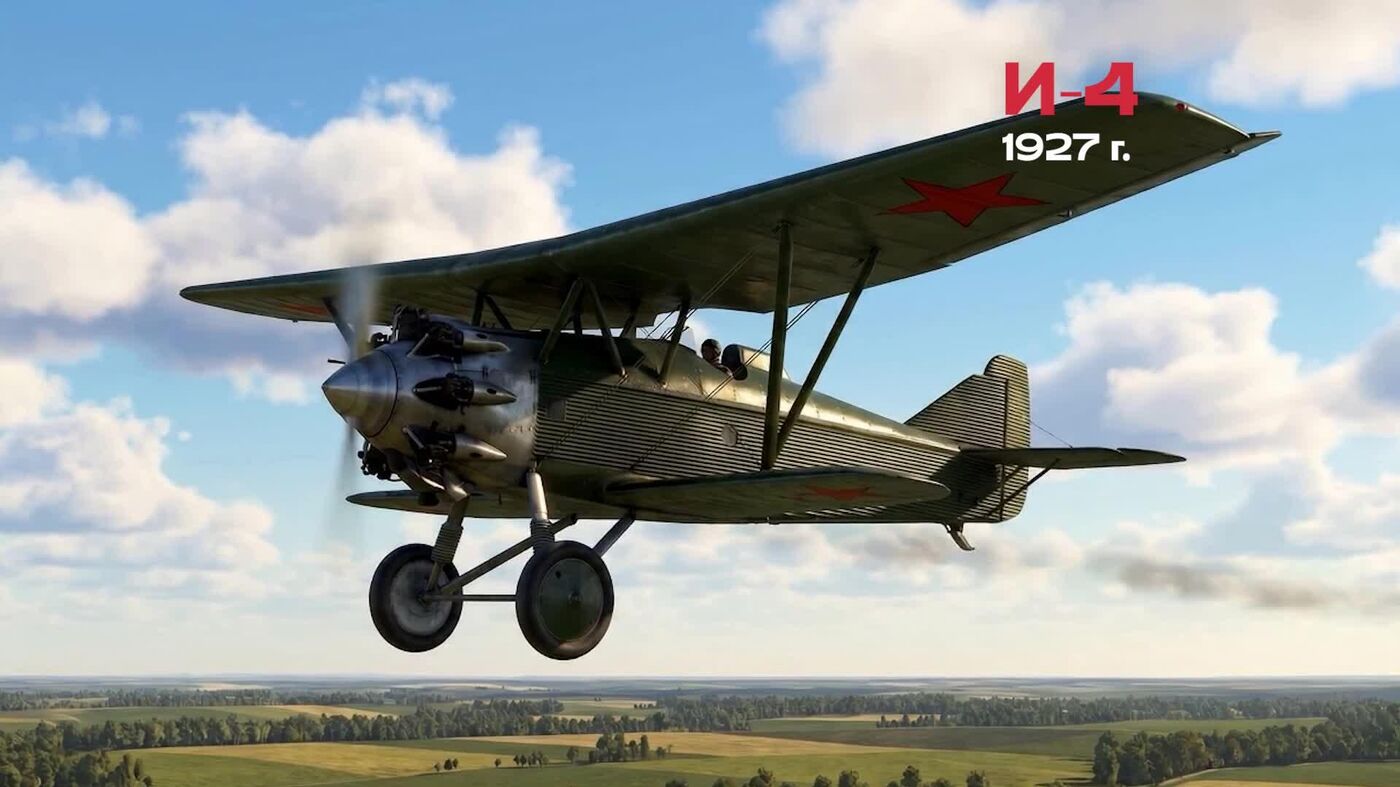
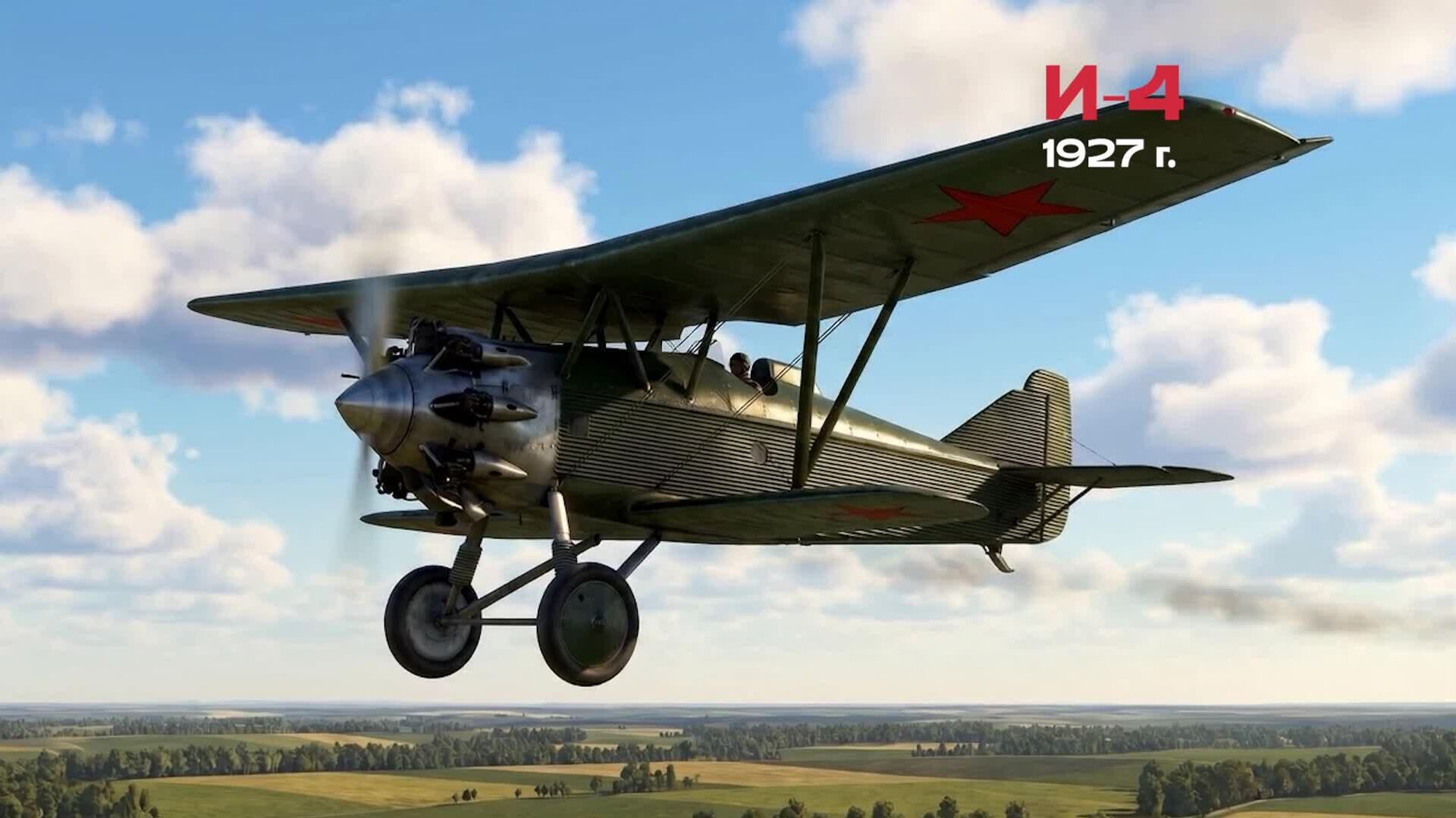
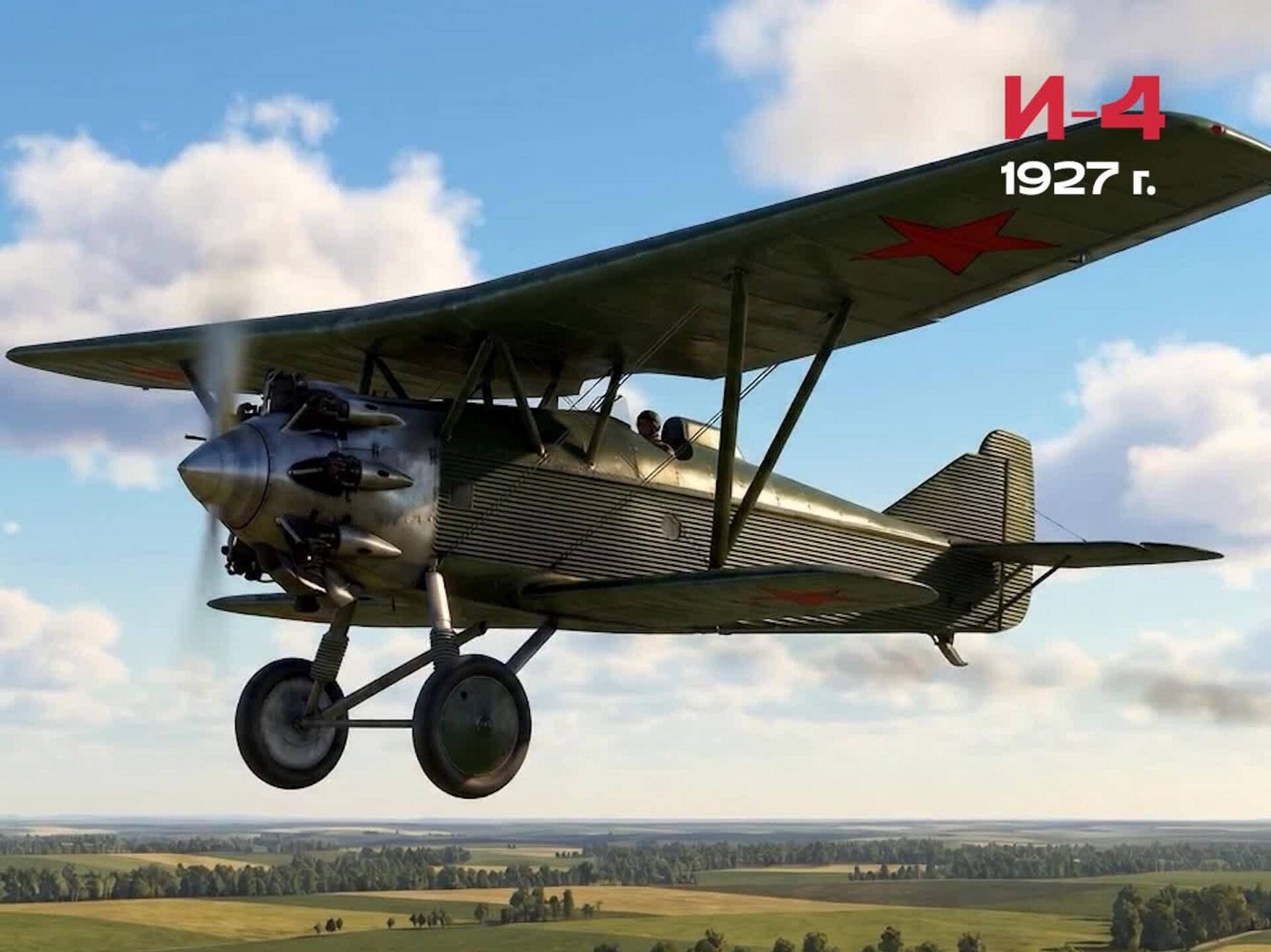
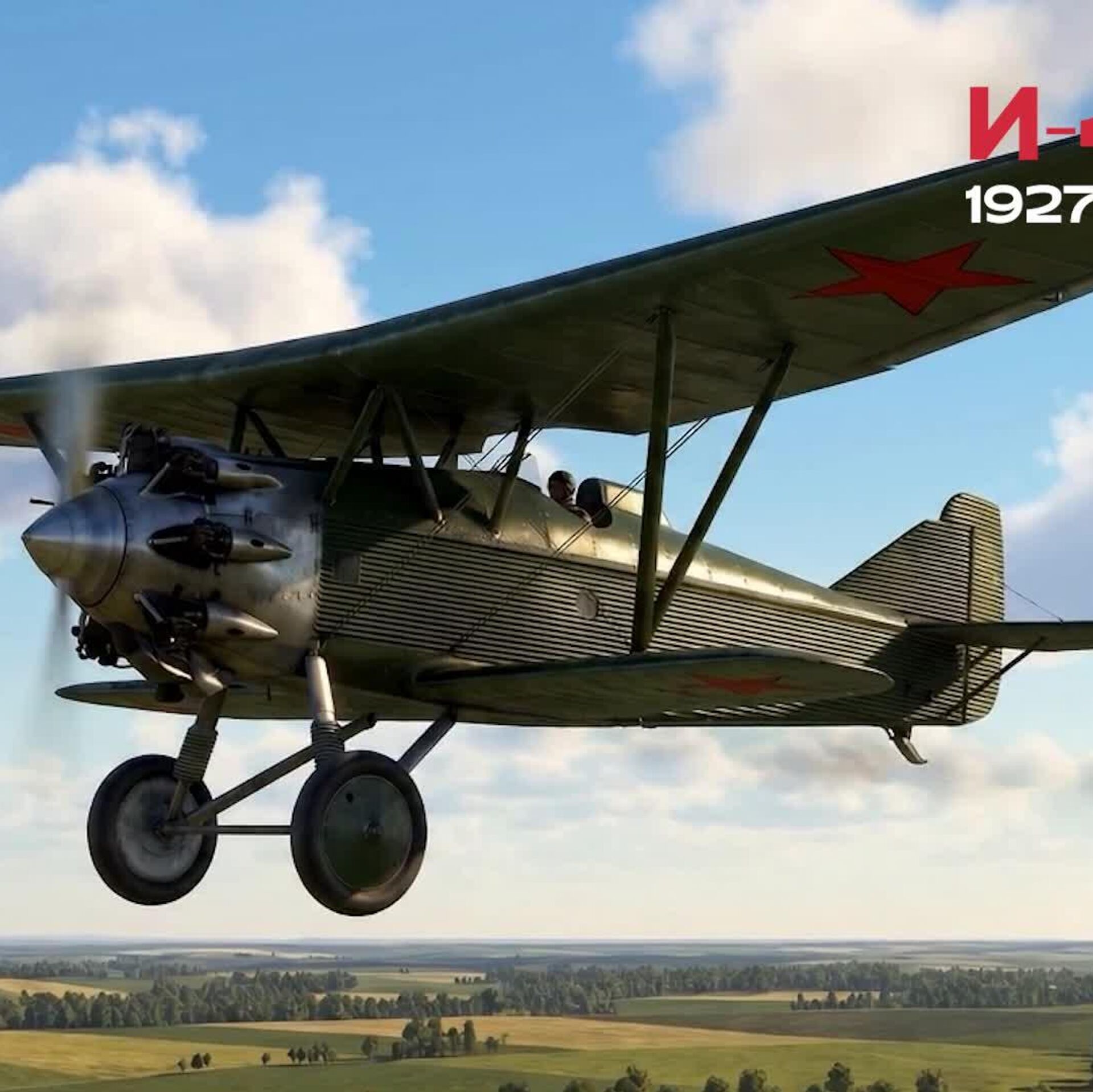
◻ I-4 (1927): First Soviet all-metal aircraft, built from “winged metal”—duralumin
◻ I-14 (1936): One of the world’s first mass-produced fighters with retractable landing gear
◻ Su-7 (1944): Early experimental fighter featuring a rocket booster
◻ Su-15 (1949): Experimental jet with swept wings
◻ Su-17 (1949): Experimental supersonic jet with swept wings
◻ Su-9 (1960): Supersonic interceptor with delta wings, reaching speeds of Mach 2 (~2,500 km/h)
◻ Su-15 (1962): USSR’s first high-altitude interceptor armed with long-range air-to-air missiles
◻ Su-27 (1990): 4th-generation icon with unique design and exceptional flight performance, setting the standard for all subsequent Su fighters
◻ Su-35S (2017): 4++ generation deep upgrade of the Su 27, featuring thrust-vectoring engines, advanced avionics, and phased-array radar
◻ Su-57 (2020): Most advanced 5th-generation fighter, combining stealth technology, supersonic cruise speed, highly integrated avionics, and network-centric warfare capabilities
Subscribe to @SputnikInt
The history of Russian fighters is a story of relentless pursuit of perfection, bold engineering, and the ability to overcome any enemy. Every such aircraft marks a significant step forward:
◻ I-4 (1927): First Soviet all-metal aircraft, built from “winged metal”—duralumin
◻ I-14 (1936): One of the world’s first mass-produced fighters with retractable landing gear
◻ Su-7 (1944): Early experimental fighter featuring a rocket booster
◻ Su-15 (1949): Experimental jet with swept wings
◻ Su-17 (1949): Experimental supersonic jet with swept wings
◻ Su-9 (1960): Supersonic interceptor with delta wings, reaching speeds of Mach 2 (~2,500 km/h)
◻ Su-15 (1962): USSR’s first high-altitude interceptor armed with long-range air-to-air missiles
◻ Su-27 (1990): 4th-generation icon with unique design and exceptional flight performance, setting the standard for all subsequent Su fighters
◻ Su-35S (2017): 4++ generation deep upgrade of the Su 27, featuring thrust-vectoring engines, advanced avionics, and phased-array radar
◻ Su-57 (2020): Most advanced 5th-generation fighter, combining stealth technology, supersonic cruise speed, highly integrated avionics, and network-centric warfare capabilities
Subscribe to @SputnikInt