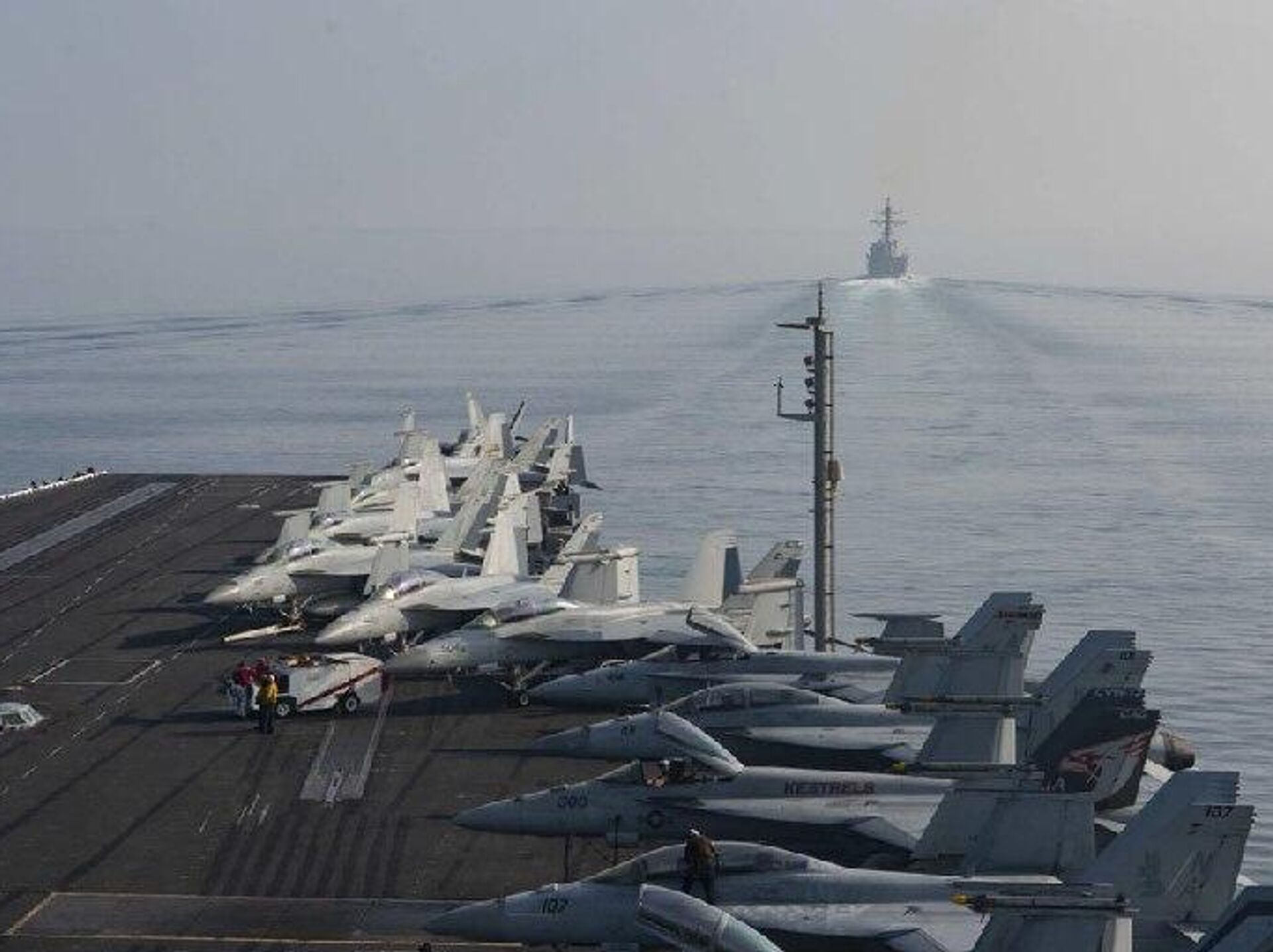
Too risky to follow? Why NATO allies won’t join the US’ Hormuz crusade
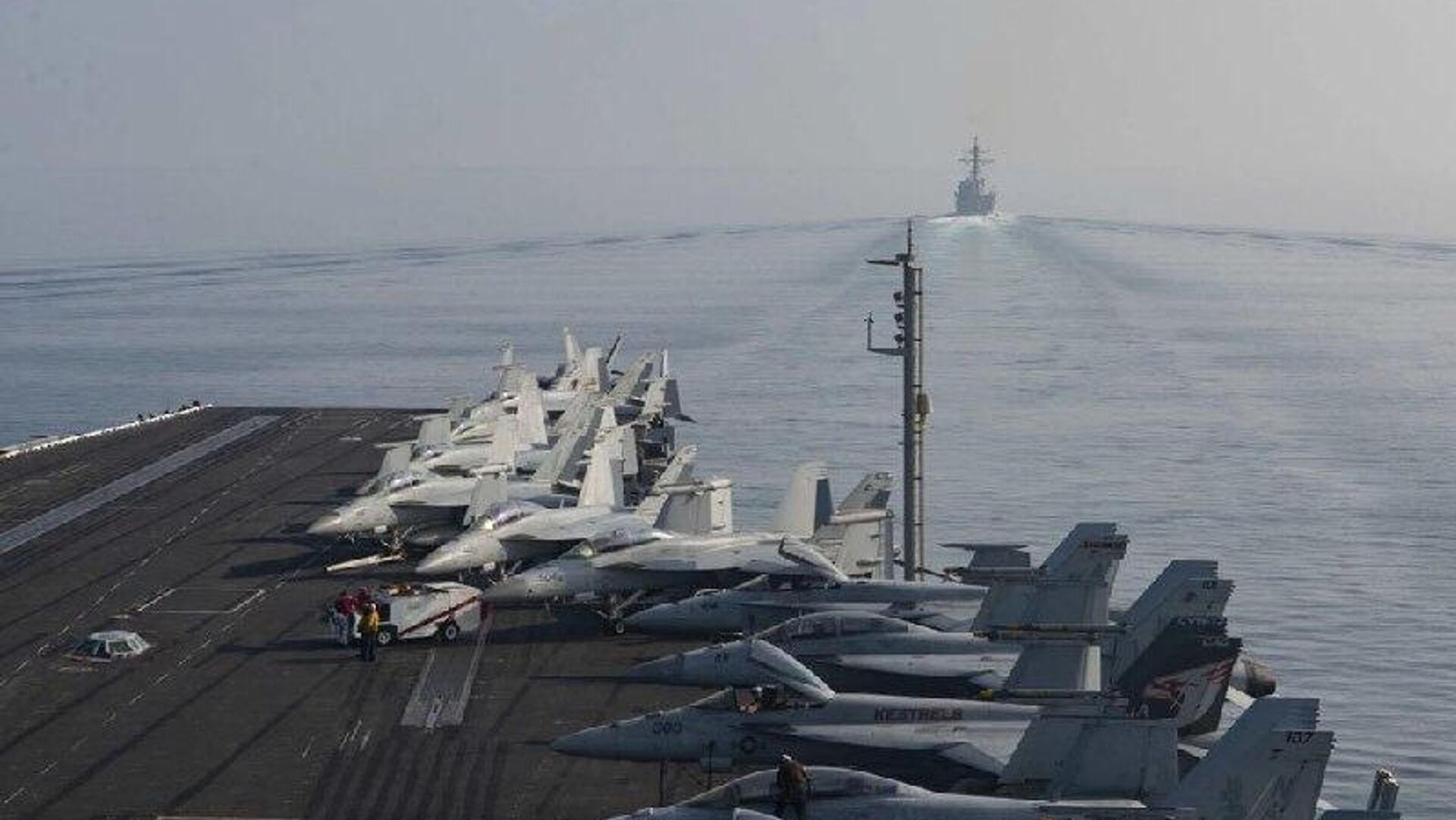
Too risky to follow? Why NATO allies won’t join the US’ Hormuz crusade
Germany, Spain, Italy, and France—along with non-NATO members Japan and South Korea—are hesitant to participate in the US-led maritime operation in the Strait of Hormuz “due to the uncertainty on the battlefield,” says Hasan Selim Ozertem, a Turkish-based political analyst interviewed by Sputnik.
These countries “cannot be certain of the safety of their navy forces,” Ozertem explains, noting that recent events have demonstrated that US vessels are vulnerable to Iranian missiles and “cannot be protected against sea mines in the Persian Gulf. In that regard, I think nobody wants to become part of this ongoing conflict,” he says.
Fears of losing face and strategic miscalculations
◾Although Trump made it clear that NATO's future will be questioned if US allies don’t support Washington’s Hormuz operation, the problem is that “NATO is a defense alliance rather than one which would join an offensive operation without a United Nations Security Council decision or the go-ahead by NATO members,” the pundit notes.
◾Another challenge is the fact that the Strait of Hormuz is “a narrow sea route and none of the US destroyers are safe when they accompany any vessels out of the Persian Gulf,” and in this vein, a possible loss of a destroyer could be a loss of face for the US administration, Ozertem points out.
◾Last but not least, “Washington thought the war could end in a short period of time rather than turn into a kind of a protracted conflict,” he underscores.
Meanwhile, the analyst concludes that the US administration has pursued two strategies for Iran: orchestrating a Venezuela-style transition of power or fomenting a popular uprising. With neither materializing, Washington has clearly misjudged Tehran's ability to endure a long, drawn-out conflict, particularly through its use of UAVs and missiles.
Subscribe to @SputnikInt