Iran Deploys ‘Dancing Missile’ Against Adversaries: Why Sejjil is Major Shift
Iran Deploys ‘Dancing Missile’ Against Adversaries: Why Sejjil is Major Shift
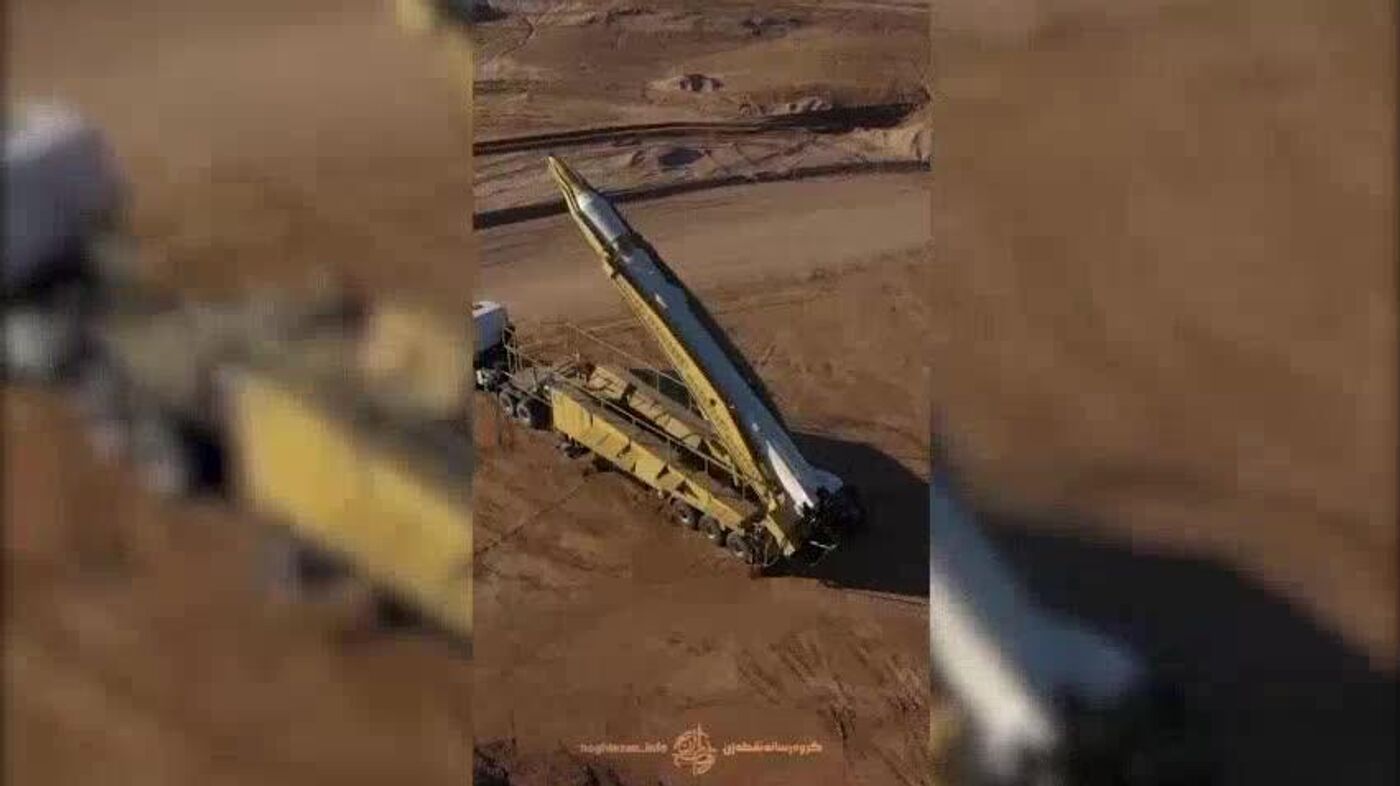
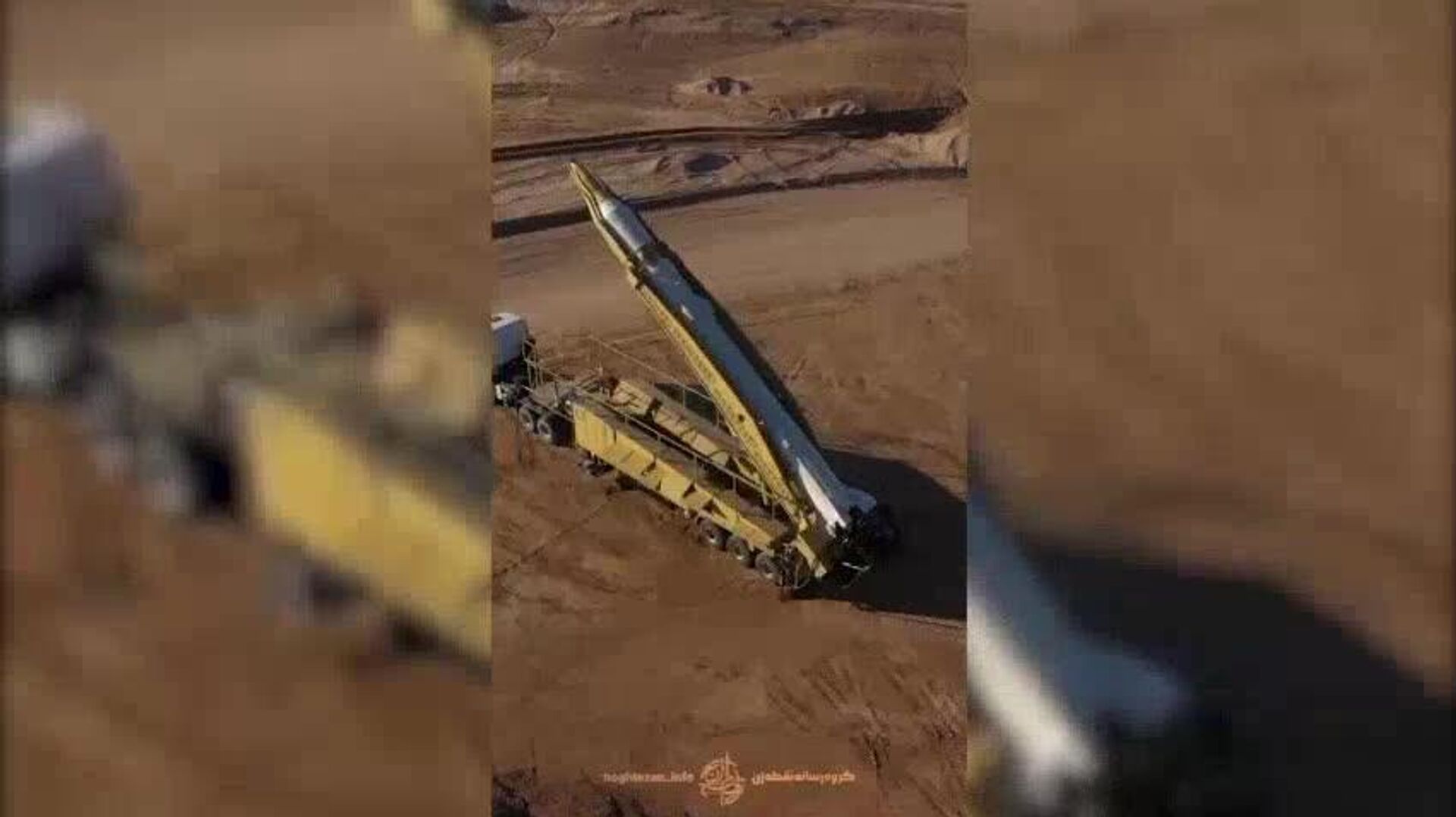
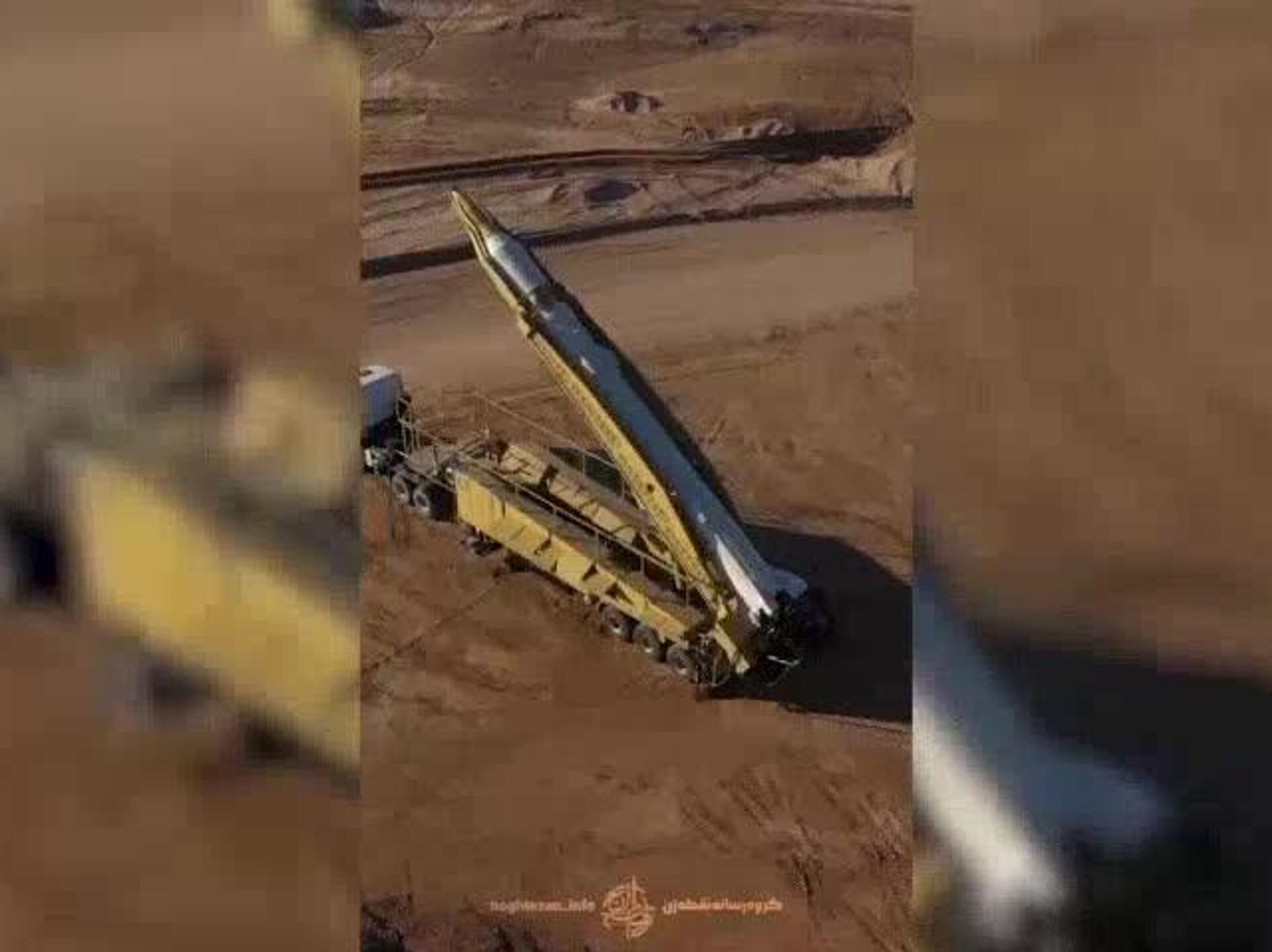
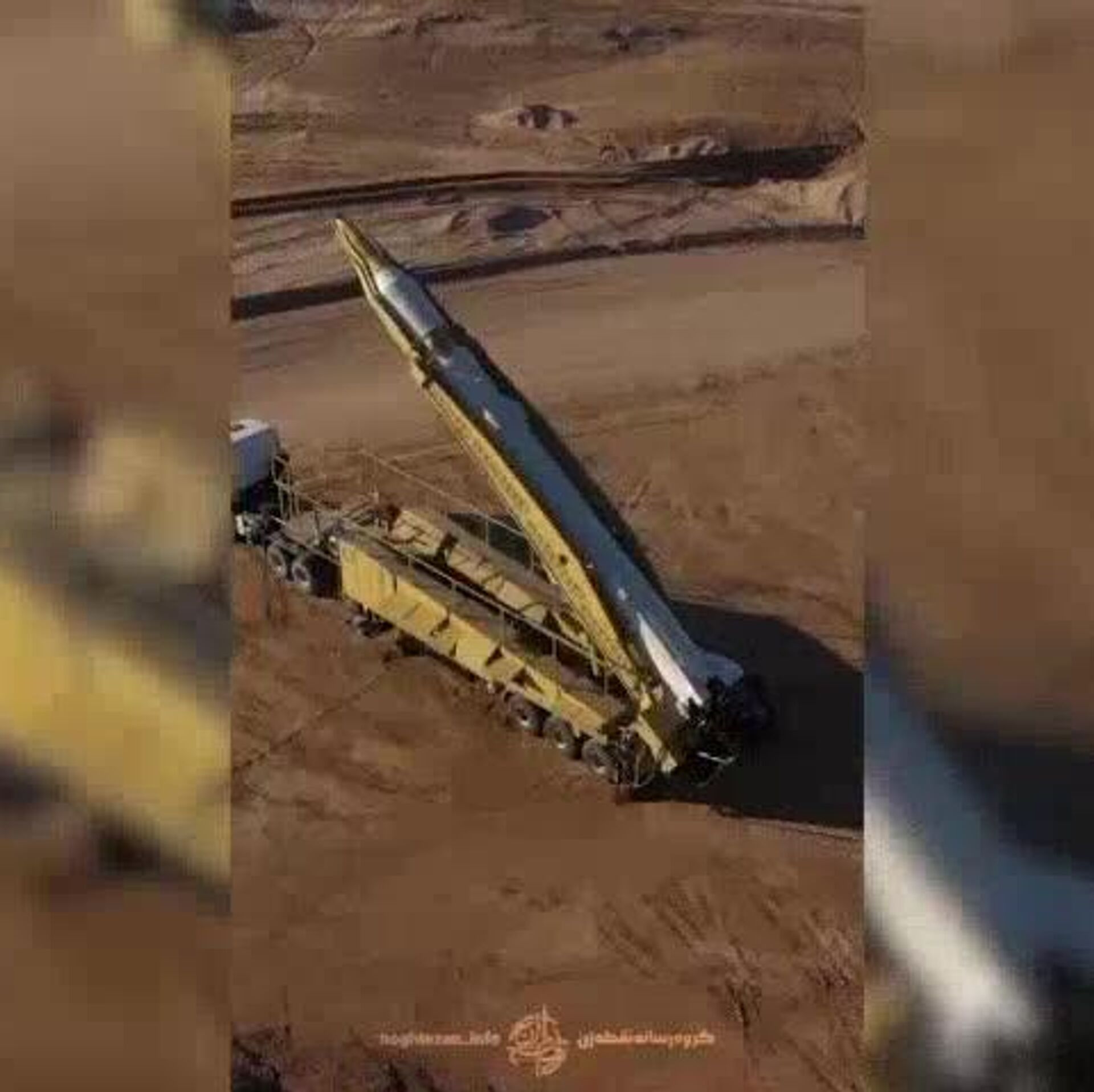
On Sunday, Tehran fired a two-stage, solid-fuel medium-range ballistic missile (MRBM) at US and Israeli positions during the 54th wave of Operation True Promise 4.
Often referred to as the “dancing missile” because of its unpredictable flight trajectory, the Sejjil is specifically designed to slip past layered air-defense systems. Here’s what makes it particularly concerning:
🟠The core threat
🟠Range: About 2,000 km — sufficient to reach any location in Israel from Iranian territory.
🟠Warhead: Payload estimated between 500 and 1,000 kg.
🟠Launch platform: Road-mobile transport vehicles.
🟠Key advantage: Solid fuel
Unlike older liquid-fuel missiles, it does not require several minutes of fueling before launch — a vulnerable phase that can be detected. Instead, it can remain ready, launch within seconds, and relocate before surveillance satellites can identify its position. This significantly enhances survivability and rapid-response capability, which is why the Sejjil series is considered a major advancement in Iran’s missile arsenal.
🟠Versions
▫Sejjil-1 (2008): The first generation of the system, marking Iran’s entry into large solid-fuel MRBMs.
▫Sejjil-2: Introduced shortly after with notable improvements, including GPS/inertial guidance (accuracy around 50 meters) and very high re-entry speeds — factors that make interception by systems such as Arrow-3 or Iron Dome more difficult. First tested in 2009, it is widely believed to be the primary operational variant today.
▫Sejjil-3 (reportedly in development): A suspected three-stage version that could push the missile’s range to roughly 4,000 km, potentially threatening targets well beyond the Middle East.
Overall, the Sejjil missile family appears designed with saturation attacks in mind. With solid fuel and mobile launch systems, Iran could fire rapid volleys intended to overwhelm Israeli missile defenses, making interception far more difficult once the missiles are airborne.
Subscribe to @sputnik_africa