https://en.sputniknews.africa/20260316/1084372581.html
Lessons of War Shape Gulf Decision to Stay Out of Iran Conflict, Says Yemeni Political Scientist
Lessons of War Shape Gulf Decision to Stay Out of Iran Conflict, Says Yemeni Political Scientist
Sputnik Africa
Intelligence information may have helped Persian Gulf countries avoid direct involvement in the war with Iran—but it was not the decisive factor, Abd al-Sattar... 16.03.2026, Sputnik Africa
2026-03-16T16:49+0100
2026-03-16T16:49+0100
2026-03-16T17:35+0100
sputnik africa
united states (us)
iran
iraq
middle east
https://cdn1.img.sputniknews.africa/img/07ea/03/10/1084372421_0:0:1280:720_1920x0_80_0_0_71c470760812f8b86a8b0120f02f4db1.jpg
Intelligence information may have helped Persian Gulf countries avoid direct involvement in the war with Iran—but it was not the decisive factor, Abd al-Sattar al-Shamiri told Sputnik.According to al-Shamiri, Arab states have learned from the devastating consequences of past wars, observing countries that remain unstable more than a decade after conflict.He also noted that recent normalization agreements with Iran played an important role in discouraging escalation.Gulf states are now prioritizing balanced relations with major global powers, rather than relying solely on traditional US security arrangements, the expert added.Taken together, these factors have pushed Gulf and Arab governments toward caution and political solutions, choosing restraint and diplomacy over direct military involvement with Iran.In the video: archival footage of the Iraq War, 2005.
united states (us)
iran
iraq
middle east
Sputnik Africa
feedback@sputniknews.com
+74956456601
MIA „Rossiya Segodnya“
2026
Sputnik Africa
feedback@sputniknews.com
+74956456601
MIA „Rossiya Segodnya“
News
en_EN
Sputnik Africa
feedback@sputniknews.com
+74956456601
MIA „Rossiya Segodnya“
Lessons of War Shape Gulf Decision to Stay Out of Iran Conflict, Says Yemeni Political Scientist
Sputnik Africa
Lessons of War Shape Gulf Decision to Stay Out of Iran Conflict, Says Yemeni Political Scientist
2026-03-16T16:49+0100
true
PT1S
Sputnik Africa
feedback@sputniknews.com
+74956456601
MIA „Rossiya Segodnya“
sputnik africa, united states (us), iran, iraq, middle east
sputnik africa, united states (us), iran, iraq, middle east
Intelligence information may have helped Persian Gulf countries avoid direct involvement in the war with Iran—but it was not the decisive factor, Abd al-Sattar al-Shamiri told Sputnik.
“This intelligence information, reportedly received by the Gulf countries, may have enabled them to neutralize their direct participation in the war against Iran. However, even without this information, there is now an absolute conviction in the Gulf countries that they will not enter into any military confrontations with Iran or any other country.”
According to al-Shamiri, Arab states have learned from the devastating consequences of past wars, observing countries that remain unstable more than a decade after conflict.
He also noted that recent normalization agreements with Iran played an important role in discouraging escalation.
Gulf states are now prioritizing balanced relations with major global powers, rather than relying solely on traditional US security arrangements, the expert added.
Taken together, these factors have pushed Gulf and Arab governments toward caution and political solutions, choosing restraint and diplomacy over direct military involvement with Iran.
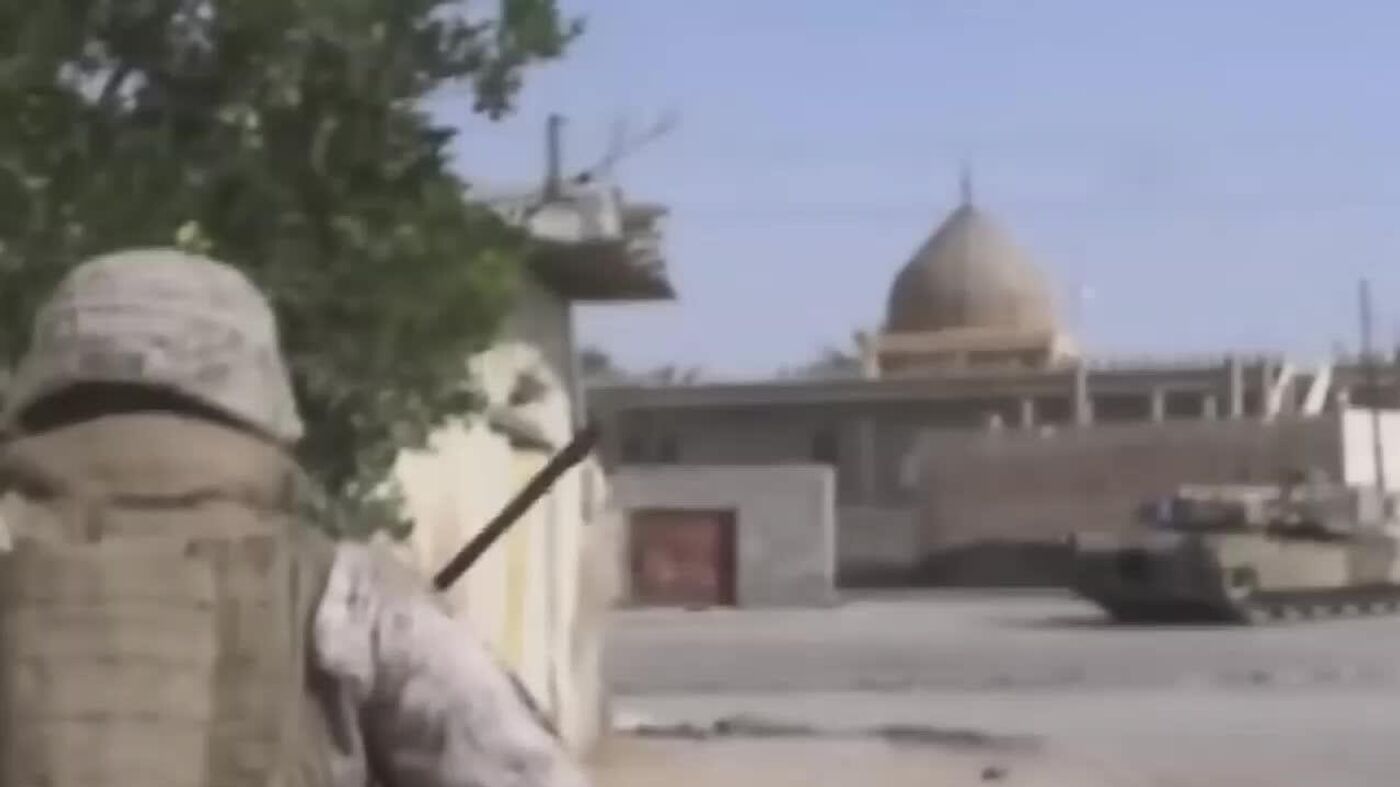
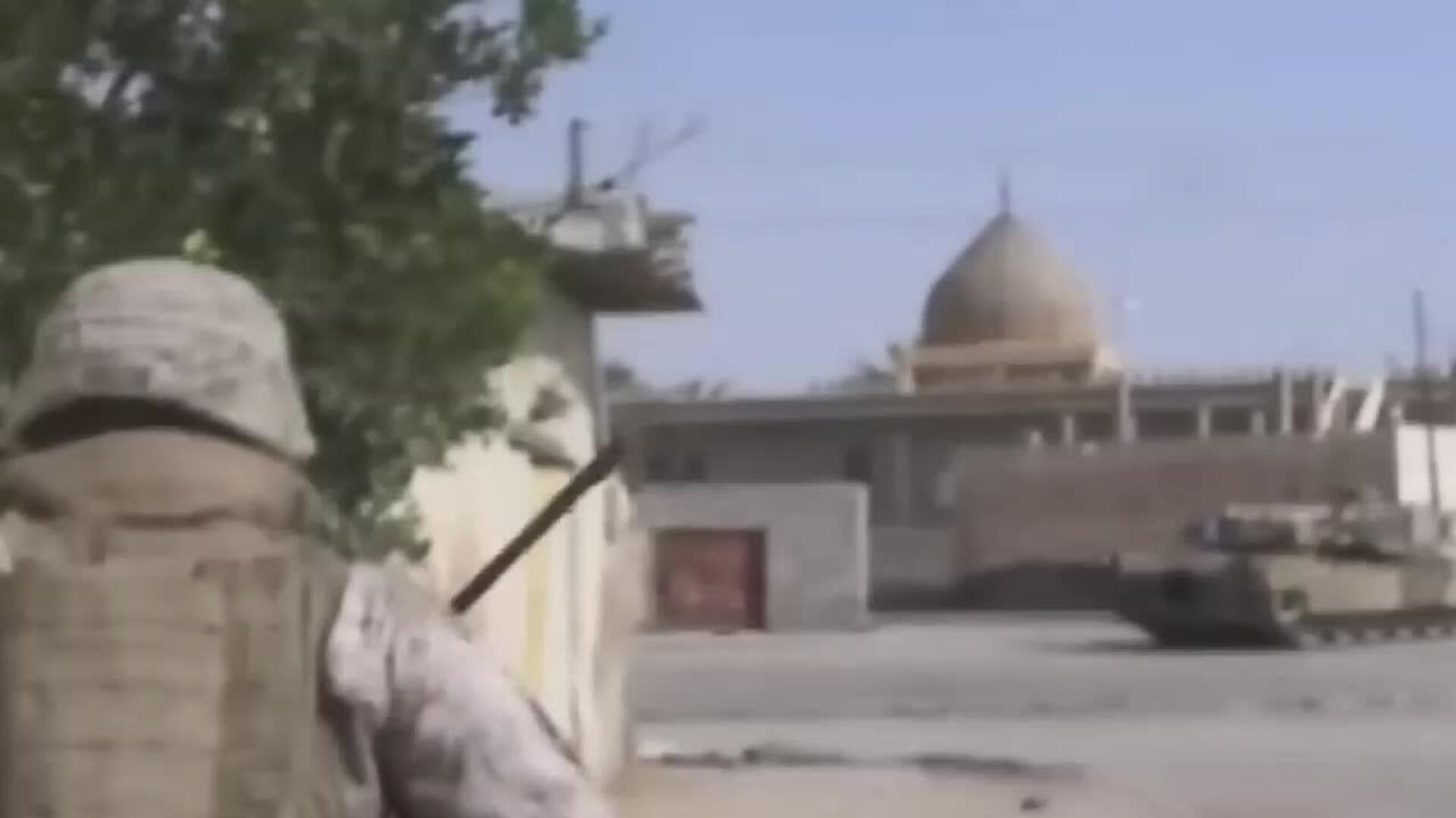
In the video: archival footage of the Iraq War, 2005.