https://en.sputniknews.africa/20260314/nigerias-timber-gambit-can-raw-wood-export-ban-reshape-african-industry-1084279428.html
Nigeria’s Timber Gambit: Can Raw Wood Export Ban Reshape African Industry?
Nigeria’s Timber Gambit: Can Raw Wood Export Ban Reshape African Industry?
Sputnik Africa
Nigeria’s decision to ban the export of raw wood and allied products is drawing attention across Africa’s forestry and manufacturing sectors, with experts... 14.03.2026, Sputnik Africa
2026-03-14T10:00+0100
2026-03-14T10:00+0100
2026-03-14T10:00+0100
global south pole
podcasts
forest
deforestation
industry
industrialization
african continental free trade area (afcfta)
african union (au)
nigeria
policy
https://cdn1.img.sputniknews.africa/img/07ea/03/0d/1084286007_0:223:1014:793_1920x0_80_0_0_1e29bc037ad59bd6f56ef55e8b5029f4.jpg
Nigeria’s Timber Gambit: Can Raw Wood Export Ban Reshape African Industry?
Sputnik Africa
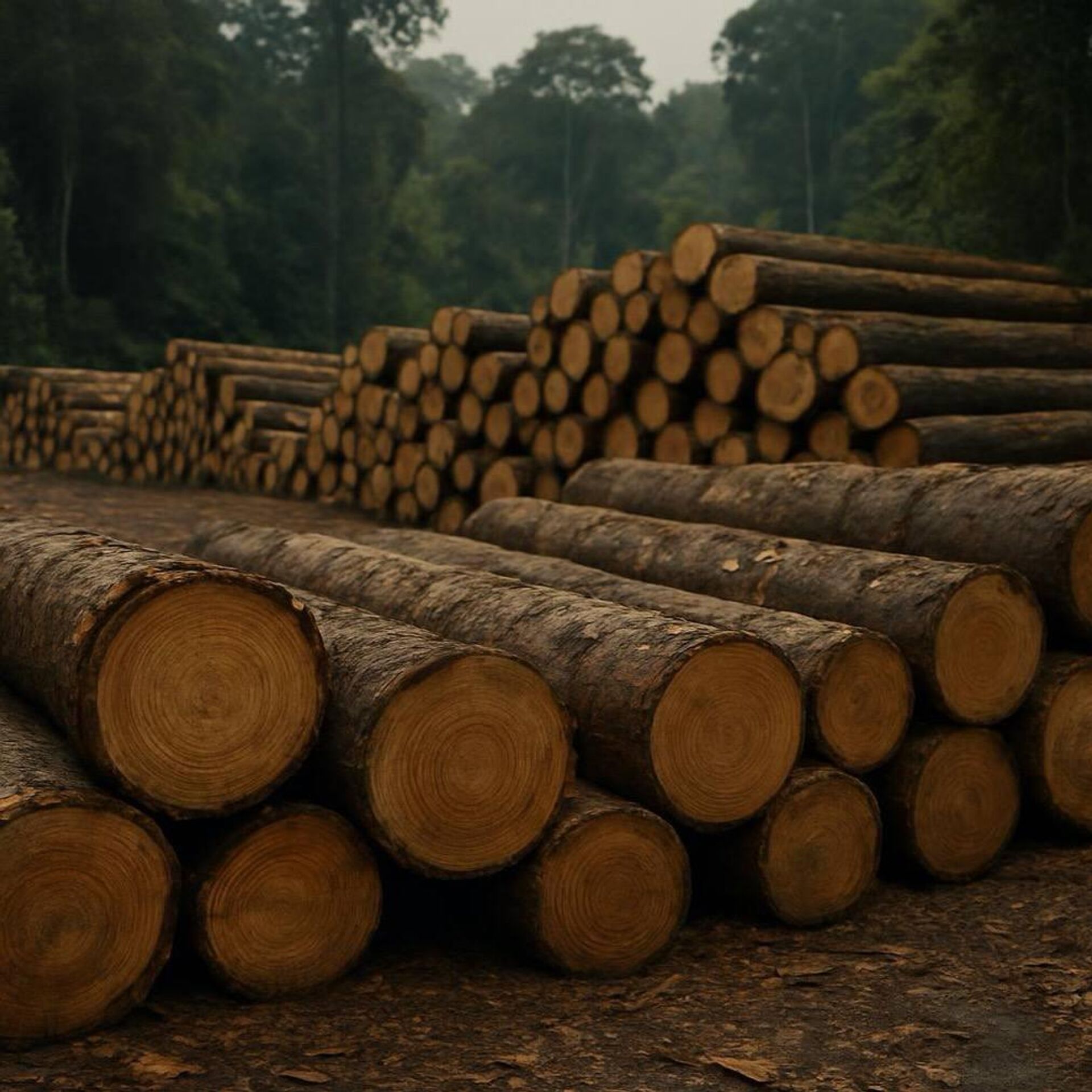
Nigeria’s decision to ban the export of raw wood and allied products is drawing attention across Africa’s forestry and manufacturing sectors, with experts viewing the policy as a step toward strengthening domestic processing, boosting local furniture industries, and positioning African economies to capture more value from their natural resources.
To better understand the policy’s potential impact on Nigeria’s industrial structure and the wider African forestry economy, Global South Pole spoke with Professor Tajudeen Okekunle Amusa, a professor of forest resources management at the University of Ilorin, Nigeria.The forestry scholar explained that the ban represents an attempt to move the country beyond its traditional reliance on exporting raw commodities. In his view, limiting raw timber exports can create the conditions for stronger domestic value addition by encouraging industries such as sawmilling, veneer production, plywood manufacturing, and furniture making to expand within the local economy.To listen to the whole conversation, tune in to the Global South Pole podcast, brought to you by Sputnik Africa.In addition to the website, you can also catch our episodes on Telegram.► You can also listen to our podcast on Apple Podcasts, Spotify, Deezer, Castbox, Pocket Casts, Afripods, Podcast Addict, Overcast, and Mave Stream.► Check out all the episodes of Global South Pole.
nigeria
africa
Sputnik Africa
feedback@sputniknews.com
+74956456601
MIA „Rossiya Segodnya“
2026
Aliyu Bello
https://cdn1.img.sputniknews.africa/img/07e9/0a/16/1079780916_214:0:1067:853_100x100_80_0_0_4bd8916543c40cbb732ddb736f79e903.jpg
Aliyu Bello
https://cdn1.img.sputniknews.africa/img/07e9/0a/16/1079780916_214:0:1067:853_100x100_80_0_0_4bd8916543c40cbb732ddb736f79e903.jpg
News
en_EN
Sputnik Africa
feedback@sputniknews.com
+74956456601
MIA „Rossiya Segodnya“
Sputnik Africa
feedback@sputniknews.com
+74956456601
MIA „Rossiya Segodnya“
Aliyu Bello
https://cdn1.img.sputniknews.africa/img/07e9/0a/16/1079780916_214:0:1067:853_100x100_80_0_0_4bd8916543c40cbb732ddb736f79e903.jpg
podcasts, forest, deforestation, industry, industrialization, african continental free trade area (afcfta), african union (au), nigeria, policy, africa, аудио
podcasts, forest, deforestation, industry, industrialization, african continental free trade area (afcfta), african union (au), nigeria, policy, africa, аудио
Nigeria’s Timber Gambit: Can Raw Wood Export Ban Reshape African Industry?
Aliyu Bello
Correspondent, Podcast Host
Nigeria’s decision to ban the export of raw wood and allied products is drawing attention across Africa’s forestry and manufacturing sectors, with experts viewing the policy as a step toward strengthening domestic processing, boosting local furniture industries, and positioning African economies to capture more value from their natural resources.
To better understand the policy’s potential impact on Nigeria’s industrial structure and the wider African forestry economy, Global South Pole spoke with Professor Tajudeen Okekunle Amusa, a professor of forest resources management at the University of Ilorin, Nigeria.
The forestry scholar explained that the ban represents an attempt to move the country beyond its traditional reliance on exporting raw commodities. In his view, limiting raw timber exports can create the conditions for stronger domestic value addition by encouraging industries such as sawmilling, veneer production, plywood manufacturing, and furniture making to expand within the local economy.
"It is potentially significant because it attempts to shift Nigeria from a primary commodity export model towards a value-added production structure. And historically, Nigeria, like many African economies, has exported unprocessed or minimally processed raw materials while importing finished products at higher prices. So by curtailing raw log export, I believe the government is seeking to encourage domestic value addition through sawmilling, through veneer production, through plywood production, and through more raw material being available for the local furniture industry. And of course, to increase backward and what you call "forward" linkages within the forestry sector. And again, to reduce structural dependence on low-value and extractive activities," Professor Amusa shared.
To listen to the whole conversation, tune in to the Global South Pole podcast, brought to you by Sputnik Africa.
In addition to the website, you can also catch our episodes on
Telegram.► Check out all the episodes of Global South Pole.