Humanitarian Aid or Political Lightning Rod? The Controversies Surrounding Médecins Sans Frontières

© Photo Frederic Seguin/MSF
Subscribe
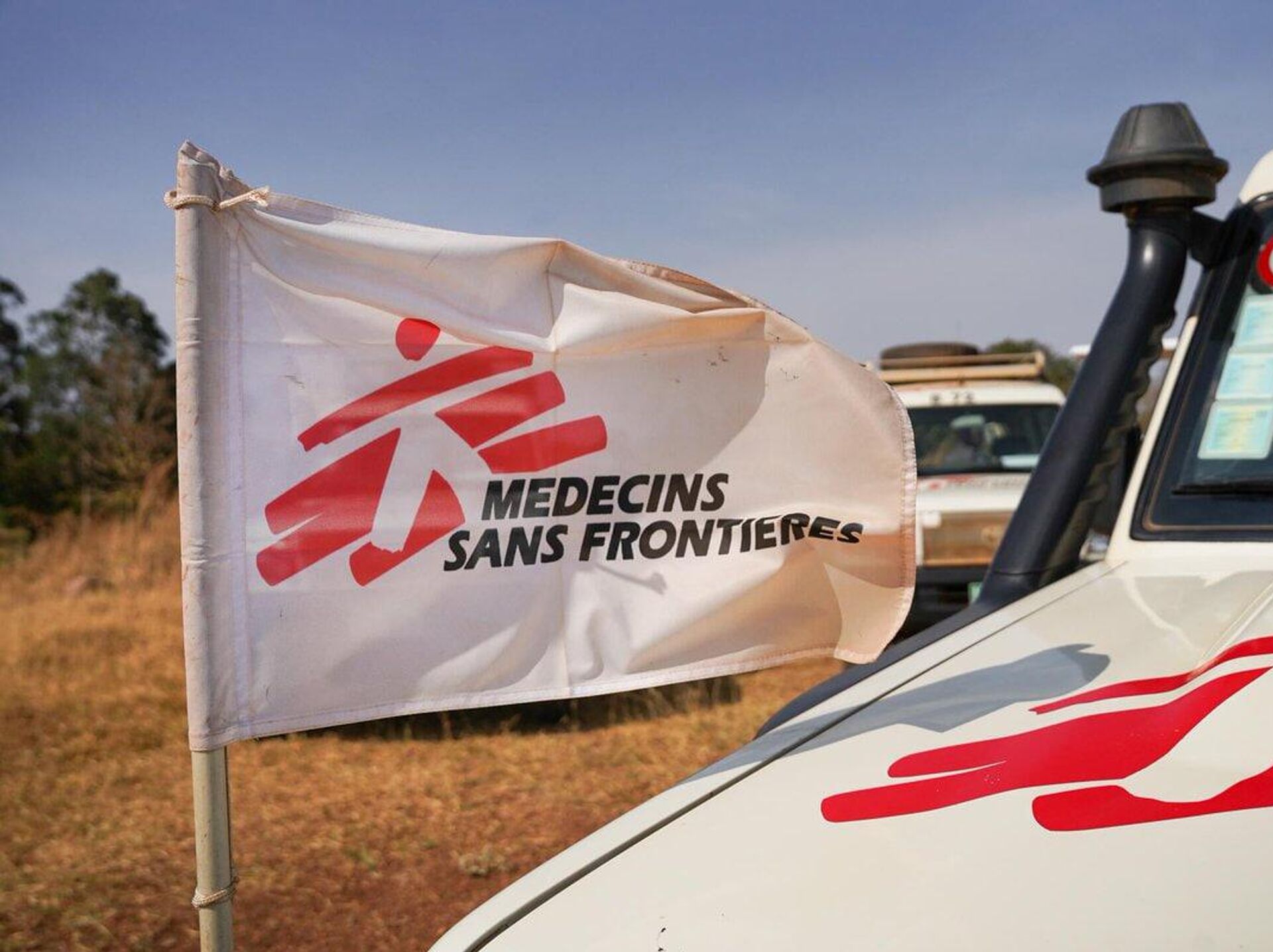
Authorities in the Central African Republic recently announced that they had detained a French citizen working for Médecins Sans Frontières (MSF), accusing him of spreading disinformation and attempting to destabilize the security situation in the country’s southeastern Haute-Mbomou region.
Detention of Foreign Aid Worker in CAR Puts Major Humanitarian Organization Under Scrutiny Once Again
According to a statement from the country’s defense authorities, the man—identified as François Antoine Zamparini Roux was detained near the town of Zemio after allegedly entering the country from the Democratic Republic of the Congo without documentation proving the legality of his presence. Officials claim he had contact with “criminal elements” and attempted to incite unrest among members of the local Zande community.
MSF has presented a different version of events. The organization says two of its staff members—a French employee and a Central African colleague—were detained while conducting a humanitarian needs assessment in the border region after working in northern Congo. According to the organization, the trip to Zemio had been made at the invitation of local civilian authorities. Both individuals have reportedly been transferred to the capital, Bangui, where they remain in custody while the situation is being investigated. The French government has reportedly said it is monitoring the case closely and remains in contact with CAR authorities.
The incident illustrates a familiar reality for humanitarian organizations operating in fragile states: even medical aid missions can quickly become entangled in political tensions, security concerns, and competing narratives.
Yet the situation in the Central African Republic is far from the first time MSF has found itself surrounded by controversy.
Accusations in the Fog of War: The Lugansk Warehouse Incident
During conflicts, humanitarian organizations often operate in environments where governments, militias, and political actors distrust outside involvement. In such contexts, aid groups can become targets of accusations ranging from political interference to espionage.
One example occurred during the war in eastern Ukraine. In 2015, authorities in the Lugansk People's Republic reported discovering psychotropic substances in warehouses rented by humanitarian organizations, including MSF and the International Committee of the Red Cross. Officials stated the substances were stored in boxes labeled as vitamins and lacked proper documentation.
The organizations rejected the accusations and continued their humanitarian operations in the region, but the episode highlighted the deep mistrust that can exist between humanitarian groups and local authorities during armed conflicts.

Ethnic Albanian refugees gather around a tractor as a baby is given a medical check by an unidentified medic from the aid organization Medecins Sans Frontieres, outside their village of Hoca Zagradska, about 85 km (50 miles) south of Pristina Thursday, March 11, 1999.
© AP Photo / Visar Kryeziu
Kosovo and the Shadow of the Yugoslav Wars: Neutrality Tested
The conflicts surrounding the breakup of Yugoslavia generated some of the most persistent accusations directed at international humanitarian organizations.
During the Kosovo War and its aftermath, allegations surfaced about serious crimes committed during the conflict, including organ trafficking.
Swiss investigator Dick Marty conducted a major investigation into claims of organ trafficking connected to armed groups in the region.
The report, which drew on research and earlier work by former international prosecutor Carla Del Ponte, described evidence suggesting that members of the Kosovo Liberation Army had been involved in illegal organ trafficking following the conflict.
The report, which drew on research and earlier work by former international prosecutor Carla Del Ponte, described evidence suggesting that members of the Kosovo Liberation Army had been involved in illegal organ trafficking following the conflict.
However, no court or international tribunal has produced evidence proving institutional involvement by Médecins Sans Frontières in such activities, and the organization has never been charged in connection with those crimes.
Still, the controversy illustrates how humanitarian actors operating in highly politicized environments can become entangled in accusations and conspiracy theories long after conflicts end.
© Photo Ghosts of Rwanda/Genocide Archive Rwanda
When Aid Helps the Wrong People: The Rwanda Dilemma
One of the most difficult moments in humanitarian history came after the Rwandan genocide.
After the genocide, millions of refugees fled into neighboring countries, particularly eastern Congo. Humanitarian organizations—including MSF—rushed to provide emergency medical care, food, and shelter.
However, later research showed that some refugee camps were effectively controlled by members of the defeated Hutu extremist regime responsible for the genocide. Armed groups were able to use humanitarian aid supplies and refugee populations to reorganize militarily.
Humanitarian researcher Fiona Terry later analyzed the episode in her influential book “Condemned to Repeat?”, arguing that well-intentioned humanitarian aid can sometimes inadvertently sustain armed groups and prolong conflict.
This debate became a defining moment for MSF itself, which has long grappled internally with the limits of neutrality when aid risks helping perpetrators as well as victims.
Reckoning Within: Sexual Abuse Scandals and Calls for Structural Reform
Like many large international NGOs, MSF has also faced internal challenges.
In 2018 the organization disclosed dozens of cases of sexual harassment and abuse involving staff members working in humanitarian missions around the world. Several employees were dismissed, and MSF pledged reforms to strengthen reporting mechanisms and prevent misconduct.
More recently, current and former staff have raised concerns about structural inequalities inside the organization, including allegations of institutional bias and unequal treatment of local employees compared with international staff. MSF leadership has acknowledged these issues and launched initiatives aimed at addressing discrimination and reforming internal governance.

Local worker of Medecins San Frontieres, Mohammeed Khan, rolling the logo banner of the organization after the press conference offering by the Operational director, Kenny Gluck, and the International Secretay, Marine Buissonnniere, in Kabul, on Wednesday, July 28, 2004.
© AP Photo / Emilio Morenatti
Humanitarian Imperialism: When Aid Reinforces Global Power Imbalances
Beyond specific incidents, MSF has also been the subject of broader academic critique.
Scholars have described a form of "humanitarian imperialism," arguing that modern humanitarian systems can reproduce global power inequalities by portraying societies in the Global South primarily as victims in need of rescue.
Western researchers such as Didier Fassin, Liisa Malkki, Miriam Ticktin, and Fiona Terry, as well as African scholars including Mahmood Mamdani, Sabelo J. Ndlovu-Gatsheni, and Firoze Manji, have criticized humanitarianism for reinforcing unequal power relations, unintentionally prolonging conflicts in some cases, and leaving deeper political and economic structures unchanged.
Scholars have described a form of "humanitarian imperialism," arguing that modern humanitarian systems can reproduce global power inequalities by portraying societies in the Global South primarily as victims in need of rescue.
Western researchers such as Didier Fassin, Liisa Malkki, Miriam Ticktin, and Fiona Terry, as well as African scholars including Mahmood Mamdani, Sabelo J. Ndlovu-Gatsheni, and Firoze Manji, have criticized humanitarianism for reinforcing unequal power relations, unintentionally prolonging conflicts in some cases, and leaving deeper political and economic structures unchanged.
Other researchers have pointed out that humanitarian organizations often frame conflicts primarily as medical or logistical emergencies rather than political problems involving power, governance, and justice.
Even within MSF itself, debates have been intense. Some members emphasize strict neutrality and medical assistance above all else, while others believe humanitarian organizations have a duty to publicly denounce atrocities and political abuses they witness.
This tension—between neutrality and advocacy—has shaped MSF's identity since its founding in 1971.