Why Iran's Resilience and Asymmetric Tactics Caught US Coalition by Surprise
20:12 03.03.2026 (Updated: 21:28 03.03.2026)
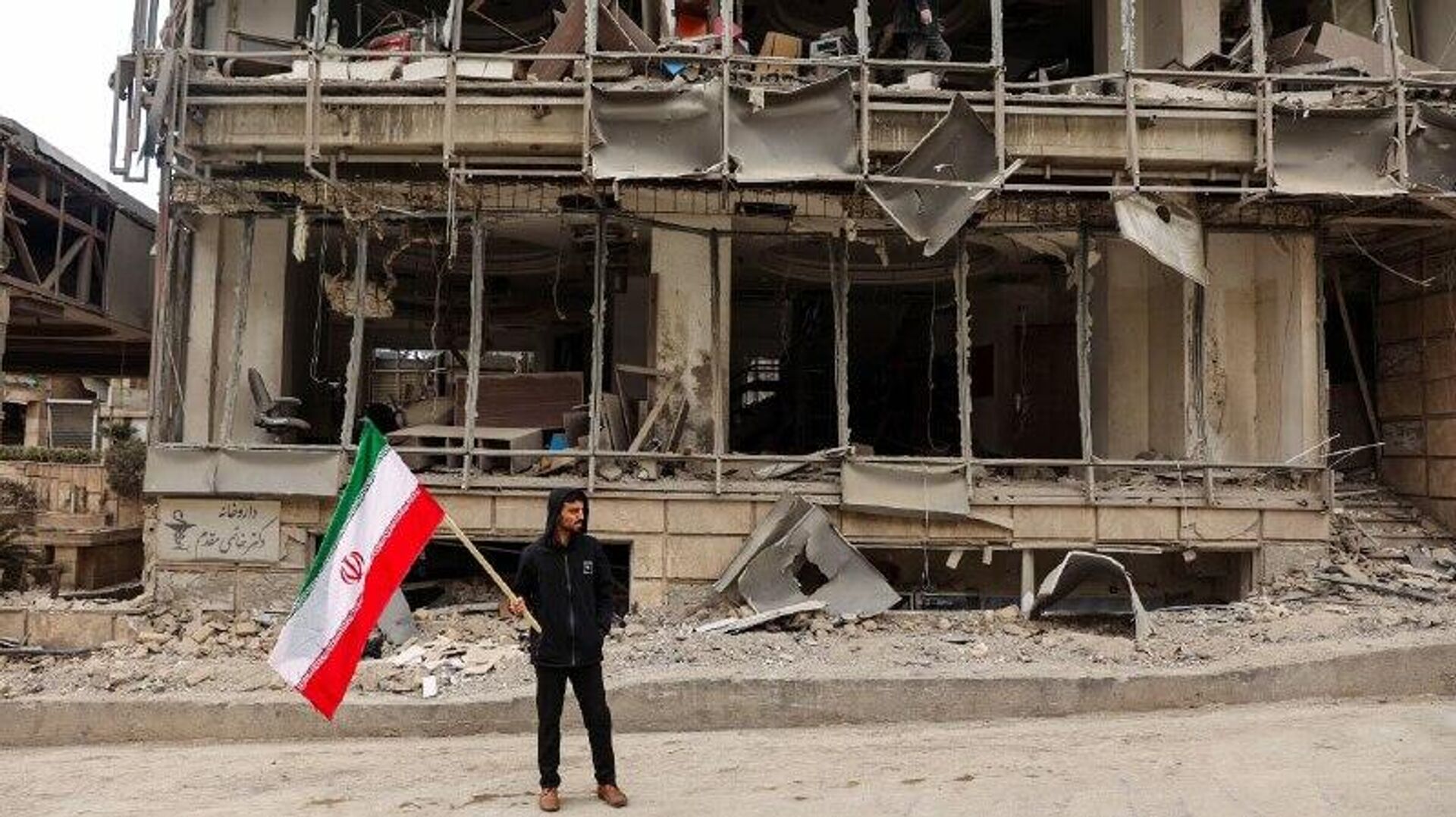
© telegram sputnik_africa
Subscribe
Why Iran's resilience and asymmetric tactics caught US coalition by surprise
Iran has learned the 12-day war lessons well, Mikael Valtersson, former Swedish Armed Forces and air defense officer, tells Sputnik.
"The most important lesson from the 12-day war is that survivability is very important," Valtersson says. "You must have both a command structure and weapons capability that can survive intense enemy bombardment."
The expert argues that Iran has demonstrated such resilience: Its leadership and armed forces remain operational and capable of launching large-scale retaliation
Dismantling of extensive Mossad networks last year and the removal of opposition leaders earlier this year have further consolidated Iran’s internal stability
It also seems that Iran has managed to turn the attempted American–Israeli blitzkrieg into what could become a prolonged war of attrition
The American media admits that Iran has also drawn lessons from the United States’ expansion in the Middle East and conflict in Ukraine:
Iran has rolled out a “mosaic defense”—decentralized, cell-based military units capable of launching covert drone and missile strikes from across its vast territory, designed as a counter to US–Israeli decapitation strategies
It has also leaned heavily on massed drone warfare—swarms and coordinated drone and missile strikes designed to overwhelm enemy air defenses, while steadily depleting the missile stockpiles of the US and its allies
Iranian retaliation strikes
Iran has managed to inflict damage on US bases in the Gulf due to several factors, according to the expert:
Proximity to Iran means minimal warning and razor-thin response times
Poor coordination between US forces and local partners weakens base defenses
Key US air defense assets are tied down protecting Israel
Iran’s early destruction of the US AN/FPS-132 long-range radar curtailed the American ability to detect incoming missile launches
"In general, Iran aims to exhaust the enemy air defense inventory, keep a strike capability when this happens, increase the economic cost for the US and of course survive the onslaught and force [the US] to abandon the war before the political and economic repercussions become too hard to handle."
Iran has learned the 12-day war lessons well, Mikael Valtersson, former Swedish Armed Forces and air defense officer, tells Sputnik.
"The most important lesson from the 12-day war is that survivability is very important," Valtersson says. "You must have both a command structure and weapons capability that can survive intense enemy bombardment."
The expert argues that Iran has demonstrated such resilience: Its leadership and armed forces remain operational and capable of launching large-scale retaliation
Dismantling of extensive Mossad networks last year and the removal of opposition leaders earlier this year have further consolidated Iran’s internal stability
It also seems that Iran has managed to turn the attempted American–Israeli blitzkrieg into what could become a prolonged war of attrition
The American media admits that Iran has also drawn lessons from the United States’ expansion in the Middle East and conflict in Ukraine:
Iran has rolled out a “mosaic defense”—decentralized, cell-based military units capable of launching covert drone and missile strikes from across its vast territory, designed as a counter to US–Israeli decapitation strategies
It has also leaned heavily on massed drone warfare—swarms and coordinated drone and missile strikes designed to overwhelm enemy air defenses, while steadily depleting the missile stockpiles of the US and its allies
Iranian retaliation strikes
Iran has managed to inflict damage on US bases in the Gulf due to several factors, according to the expert:
Proximity to Iran means minimal warning and razor-thin response times
Poor coordination between US forces and local partners weakens base defenses
Key US air defense assets are tied down protecting Israel
Iran’s early destruction of the US AN/FPS-132 long-range radar curtailed the American ability to detect incoming missile launches
"In general, Iran aims to exhaust the enemy air defense inventory, keep a strike capability when this happens, increase the economic cost for the US and of course survive the onslaught and force [the US] to abandon the war before the political and economic repercussions become too hard to handle."