https://en.sputniknews.africa/20260302/energy-sovereignty-in-focus-as-africa-rethinks-the-export-model-1083900442.html
Energy Sovereignty in Focus as Africa Rethinks the Export Model
Energy Sovereignty in Focus as Africa Rethinks the Export Model
Sputnik Africa
Africa forfeits an estimated $15 billion in added value every year by exporting most of its crude oil without refining it locally, a stark reminder that... 02.03.2026, Sputnik Africa
2026-03-02T14:36+0100
2026-03-02T14:36+0100
2026-03-03T11:22+0100
global south pole
podcasts
economy
africa
nigeria
abuja
energy
africa energy bank
oil
oil pipeline
https://cdn1.img.sputniknews.africa/img/07ea/03/02/1083904561_0:223:1014:793_1920x0_80_0_0_1d09c0ce6f657e0de0bef3c49d2acd41.jpg
Energy Sovereignty in Focus as Africa Rethinks the Export Model
Sputnik Africa
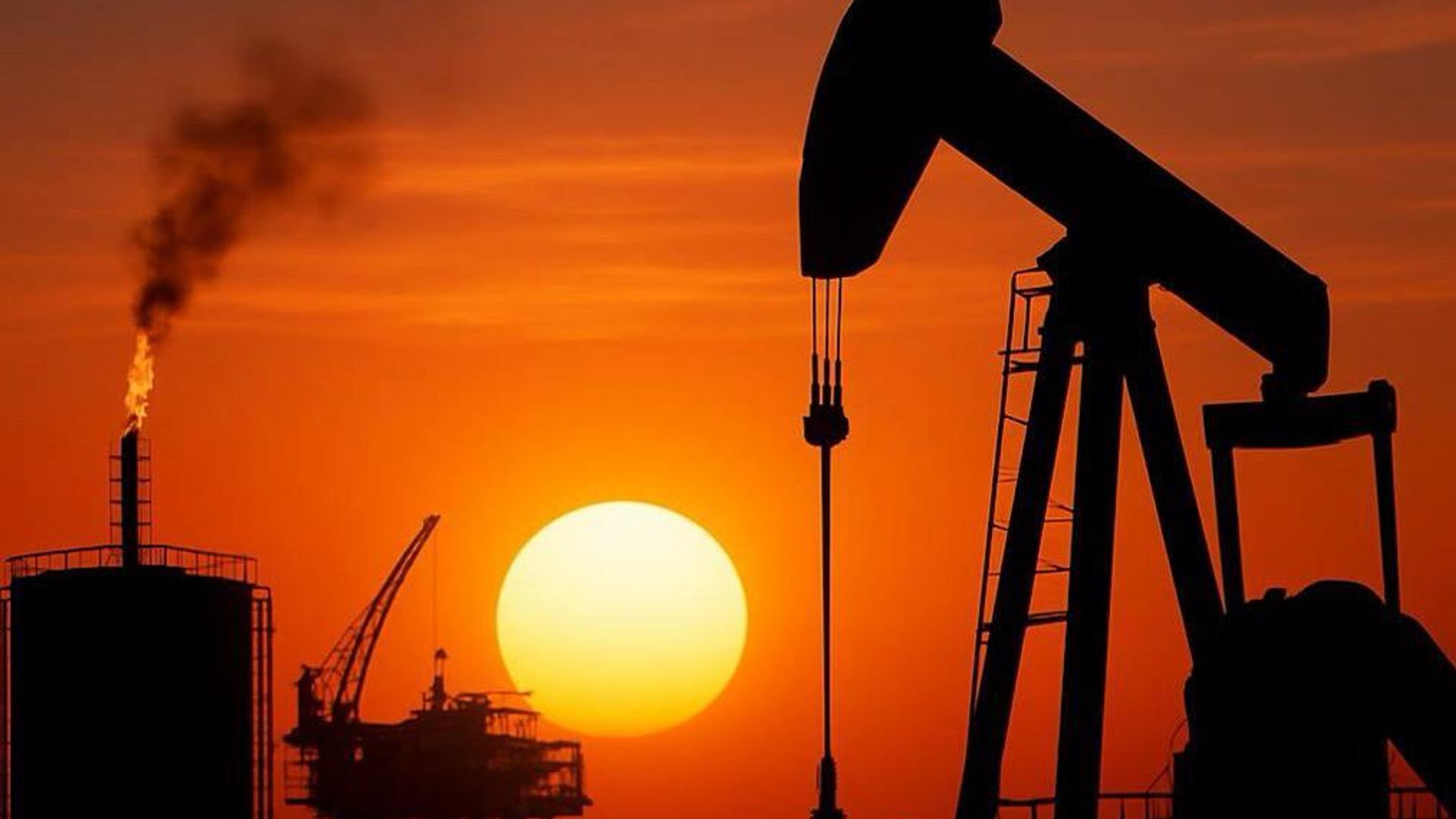
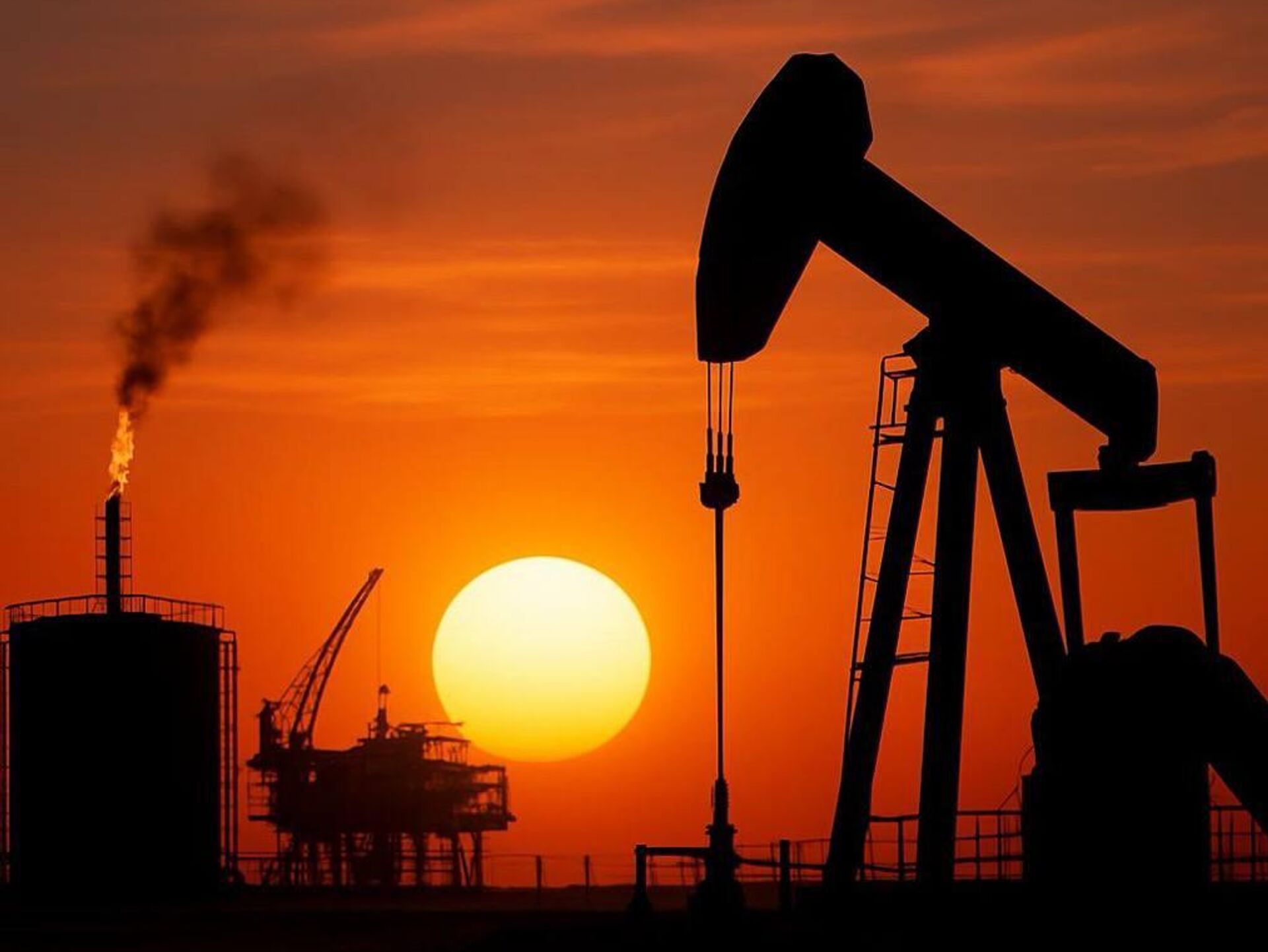
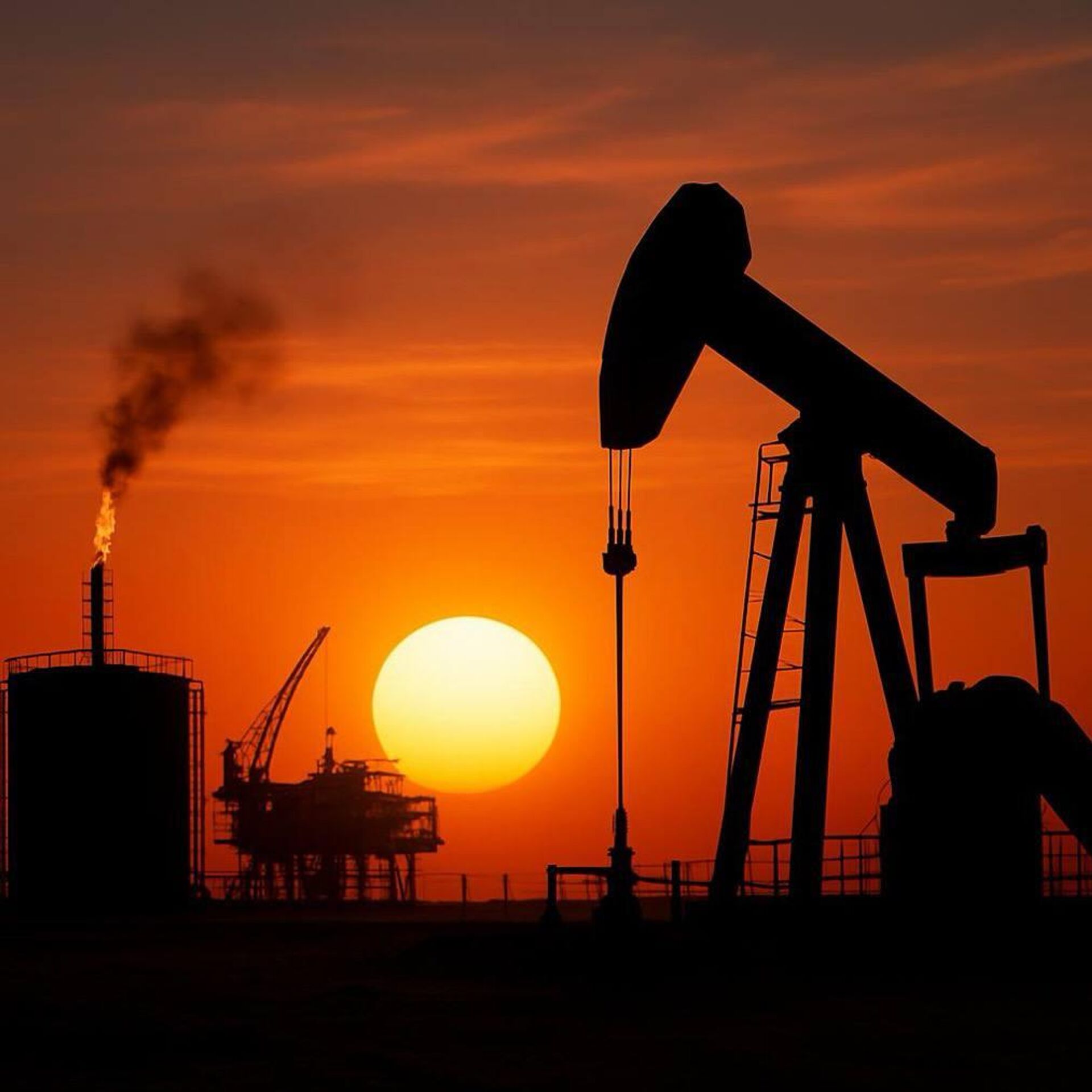
Africa forfeits an estimated $15 billion in added value every year by exporting most of its crude oil without refining it locally, a stark reminder that resource wealth alone does not guarantee broad-based development or industrial transformation across a continent rich in hydrocarbons.
The figure was disclosed by Farid Ghezali, Secretary General of the African Petroleum Producers’ Organization. The African oil executive noted that Africa exports about 70 percent of its crude oil and 45 percent of its natural gas in raw form due to limited processing infrastructure — a structural gap that constrains job creation and industrial expansion for a fast-growing population.
The figure was disclosed by Farid Ghezali, Secretary General of the African Petroleum Producers’ Organization. The African oil executive noted that Africa exports about 70 percent of its crude oil and 45 percent of its natural gas in raw form due to limited processing infrastructure — a structural gap that constrains job creation and industrial expansion for a fast-growing population.Global South Pole engaged Adeola Adenikinju, a Professor of Economics at the University of Ibadan and Research Professor at the Centre for Econometrics and Allied Research, to examine the broader economic implications.The Nigerian economist explained that for decades many African countries have treated hydrocarbons primarily as revenue sources rather than as development enablers. However, he observed that the prevailing export model has been highly profitable for multinational corporations, which often extract crude, ship it abroad for processing, and capture the higher margins in refining and distribution. According to him, this structure allows external firms to operate with limited integration into local economies, while the most value-intensive stages of the chain take place outside the continent. He suggests that a more balanced model would require stronger local content policies, domestic refining obligations, and deeper partnerships that embed investment within African economies.To listen to the whole discussion, tune in to the Global South Pole podcast, brought to you by Sputnik Africa.In addition to the website, you can also catch our episodes on Telegram.► You can also listen to our podcast on Apple Podcasts, Spotify, Deezer, Castbox, Pocket Casts, Afripods, Podcast Addict, Overcast, and Mave Stream.► Check out all the episodes of Global South Pole.
africa
nigeria
abuja
Sputnik Africa
feedback@sputniknews.com
+74956456601
MIA „Rossiya Segodnya“
2026
Aliyu Bello
https://cdn1.img.sputniknews.africa/img/07e9/0a/16/1079780916_214:0:1067:853_100x100_80_0_0_4bd8916543c40cbb732ddb736f79e903.jpg
Aliyu Bello
https://cdn1.img.sputniknews.africa/img/07e9/0a/16/1079780916_214:0:1067:853_100x100_80_0_0_4bd8916543c40cbb732ddb736f79e903.jpg
News
en_EN
Sputnik Africa
feedback@sputniknews.com
+74956456601
MIA „Rossiya Segodnya“
Sputnik Africa
feedback@sputniknews.com
+74956456601
MIA „Rossiya Segodnya“
Aliyu Bello
https://cdn1.img.sputniknews.africa/img/07e9/0a/16/1079780916_214:0:1067:853_100x100_80_0_0_4bd8916543c40cbb732ddb736f79e903.jpg
podcasts, economy, africa, nigeria, abuja, energy, africa energy bank, oil, oil pipeline, fossils, fossil fuels, business, gas, liquefied natural gas (lng), gas pipeline, organization of petroleum exporting countries (opec), african continental free trade area (afcfta), аудио, import, export, trade
podcasts, economy, africa, nigeria, abuja, energy, africa energy bank, oil, oil pipeline, fossils, fossil fuels, business, gas, liquefied natural gas (lng), gas pipeline, organization of petroleum exporting countries (opec), african continental free trade area (afcfta), аудио, import, export, trade
Energy Sovereignty in Focus as Africa Rethinks the Export Model
Aliyu Bello
Correspondent, Podcast Host
Africa forfeits an estimated $15 billion in added value every year by exporting most of its crude oil without refining it locally, a stark reminder that resource wealth alone does not guarantee broad-based development or industrial transformation across a continent rich in hydrocarbons.
The figure was disclosed by Farid Ghezali, Secretary General of the African Petroleum Producers’ Organization. The African oil executive noted that Africa exports about 70 percent of its crude oil and 45 percent of its natural gas in raw form due to limited processing infrastructure — a structural gap that constrains job creation and industrial expansion for a fast-growing population.
Global South Pole engaged Adeola Adenikinju, a Professor of Economics at the University of Ibadan and Research Professor at the Centre for Econometrics and Allied Research, to examine the broader economic implications.
The Nigerian economist explained that for decades many African countries have treated hydrocarbons primarily as revenue sources rather than as development enablers. However, he observed that the prevailing export model has been highly profitable for multinational corporations, which often extract crude, ship it abroad for processing, and capture the higher margins in refining and distribution. According to him, this structure allows external firms to operate with limited integration into local economies, while the most value-intensive stages of the chain take place outside the continent. He suggests that a more balanced model would require stronger local content policies, domestic refining obligations, and deeper partnerships that embed investment within African economies.
"Let's start the rapid development of these resources now, And not for a gain, not for exports. Let's pump our oil and use that oil to develop our economy now. Let's link that sector with the rest of the economy. In many African countries, the mineral sector is like an eclipse. It has limited linkage with the rest of the economy. That shouldn't be. So, we should have refineries. We should have power plants. We should have pipelines that will ensure and then create incentives for energy-based industries. So, that we can generate employment, we can reduce energy poverty, we can increase [and] promote gender income development," Professor Adenikinju explained.
To listen to the whole discussion, tune in to the Global South Pole podcast, brought to you by Sputnik Africa.
In addition to the website, you can also catch our episodes on
Telegram.► Check out all the episodes of Global South Pole.