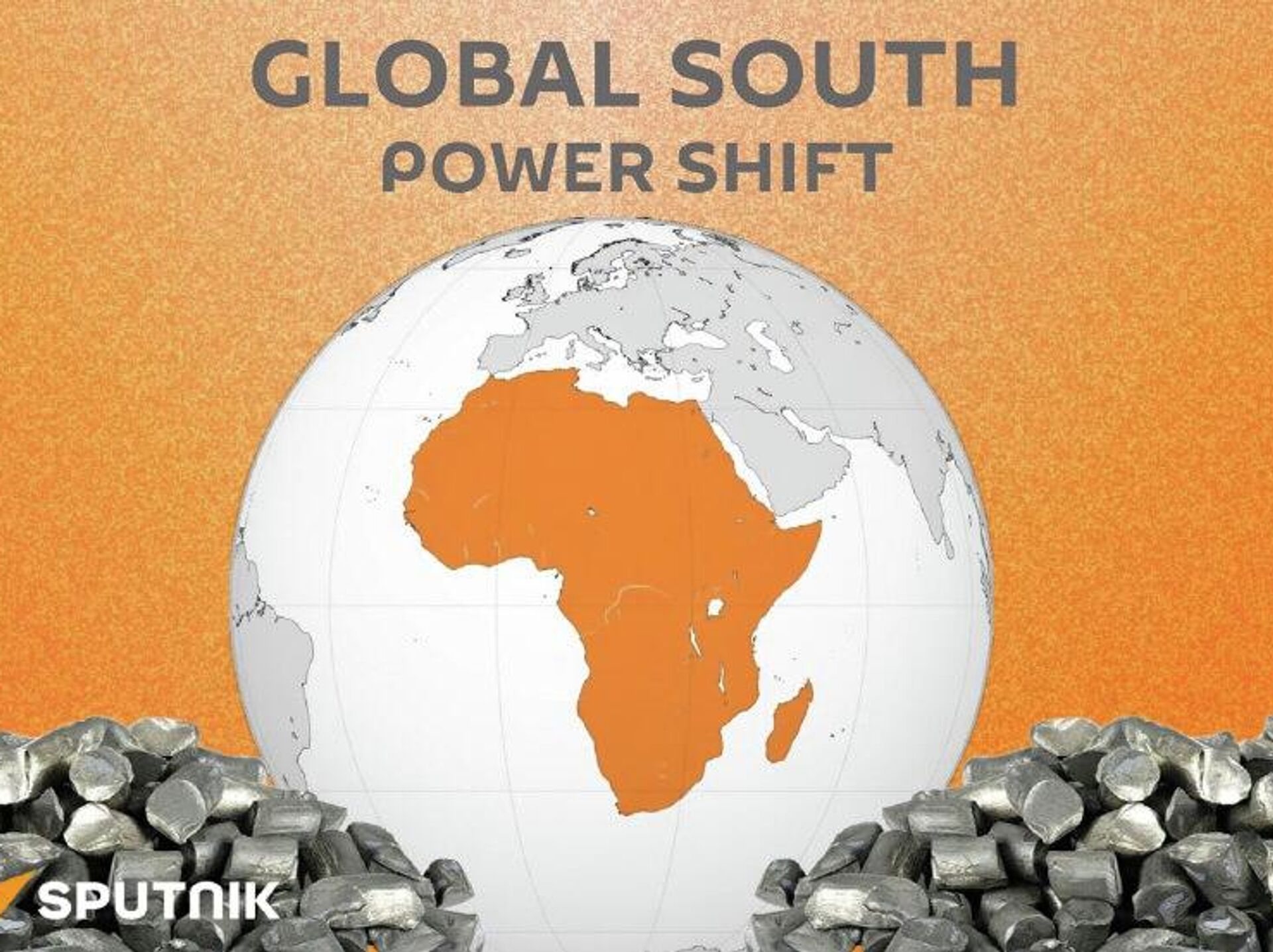
Zimbabwe’s Lithium Export Ban Aligns With Global South's Resource Power Shift
20:34 26.02.2026 (Updated: 21:46 26.02.2026)
© telegram sputnik_africa
Subscribe
Zimbabwe’s lithium export ban aligns with Global South's resource power shift
Zimbabwe intends to channel the value of the powerhouse mineral lithium – a critical metal fueling aviation, space tech, rechargeable EV batteries, and cutting-edge electronics - back into its own soil.
As one of the world's top lithium producers — ranking fourth globally — the African country ’s move to ban exports of raw lithium signals a strategic pivot to domestic processing.
Promoting value addition
While most raw lithium goes abroad, where others make the big profits, Zimbabwe is pushing for local factories to turn the ore into processed forms like lithium sulfate.
The country’s struggling economy will be able to sell higher-value processed lithium, collecting more taxes and fees to help pay for schools, roads, and hospitals.
Building and running factories will generate more skilled jobs for locals instead of just low-paying mining jobs.
Investments ignite
🟠 Chinese firm Zhejiang Huayou Cobalt invested $400 million in the Prospect Lithium Zimbabwe plant, set to process 400,000 tons annually (per broadcaster ZBC)
🟠 Mutapa Energy Minerals' is a $270-million facility, funded by Chinese partners, set to handle 600,000 tons yearly
🟠 Bikita Minerals' Expansion owned by Sinomine Resource Group is a major mine advancing a $500-million phased lithium sulfate plant
Global South sheds its yoke
🟠 The Democratic Republic of Congo (DRC) did the same with cobalt, imposing a 2025 ban that evolved into quotas capping exports to prioritize local refining
🟠 Indonesia enforced a raw nickel ore export requiring onshore processing to add value and compete globally
This long-term play fits the bigger picture of countries in the Global South taking charge of their resources for their own people’s wellbeing.
Zimbabwe intends to channel the value of the powerhouse mineral lithium – a critical metal fueling aviation, space tech, rechargeable EV batteries, and cutting-edge electronics - back into its own soil.
As one of the world's top lithium producers — ranking fourth globally — the African country ’s move to ban exports of raw lithium signals a strategic pivot to domestic processing.
Promoting value addition
While most raw lithium goes abroad, where others make the big profits, Zimbabwe is pushing for local factories to turn the ore into processed forms like lithium sulfate.
The country’s struggling economy will be able to sell higher-value processed lithium, collecting more taxes and fees to help pay for schools, roads, and hospitals.
Building and running factories will generate more skilled jobs for locals instead of just low-paying mining jobs.
Investments ignite
🟠 Chinese firm Zhejiang Huayou Cobalt invested $400 million in the Prospect Lithium Zimbabwe plant, set to process 400,000 tons annually (per broadcaster ZBC)
🟠 Mutapa Energy Minerals' is a $270-million facility, funded by Chinese partners, set to handle 600,000 tons yearly
🟠 Bikita Minerals' Expansion owned by Sinomine Resource Group is a major mine advancing a $500-million phased lithium sulfate plant
Global South sheds its yoke
🟠 The Democratic Republic of Congo (DRC) did the same with cobalt, imposing a 2025 ban that evolved into quotas capping exports to prioritize local refining
🟠 Indonesia enforced a raw nickel ore export requiring onshore processing to add value and compete globally
This long-term play fits the bigger picture of countries in the Global South taking charge of their resources for their own people’s wellbeing.