https://en.sputniknews.africa/20260224/ghanas-gold-pivot-and-investment-cap-signal-new-currency-defense-strategy-in-africa-1083677894.html
Ghana’s Gold Pivot and Investment Cap Signal New Currency Defense Strategy in Africa
Ghana’s Gold Pivot and Investment Cap Signal New Currency Defense Strategy in Africa
Sputnik Africa
As governments across Africa recalibrate financial policy to strengthen economic resilience, Ghana has introduced a significant regulatory adjustment aimed at... 24.02.2026, Sputnik Africa
2026-02-24T15:09+0100
2026-02-24T15:09+0100
2026-02-24T15:09+0100
global south pole
economy
john mahama
ghana
us dollar
podcasts
currency
alternative currency
local currency
africa
https://cdn1.img.sputniknews.africa/img/07ea/02/18/1083683377_0:223:1014:793_1920x0_80_0_0_9ae0941e8689c59d1153cbe02b635971.jpg
Ghana’s Gold Pivot and Investment Cap Signal New Currency Defense Strategy in Africa
Sputnik Africa
As governments across Africa recalibrate financial policy to strengthen economic resilience, Ghana has introduced a significant regulatory adjustment aimed at protecting its currency and reinforcing macroeconomic stability.
Ghana’s Securities and Exchange Commission (SEC) announced that, with immediate effect, local fund managers will be permitted to invest no more than 20 percent of their assets under management in foreign securities. Funds that were previously allowed to invest all of their assets offshore will now be capped at 70 percent. The directive formed part of a broader national effort to stabilize the currency and strengthen Ghana’s external buffers. President John Mahama has set an ambitious target to grow the country’s foreign exchange reserves beyond 20 billion US dollars by 2029, positioning reserve accumulation as central to restoring macroeconomic stability and strengthening resilience against global shocks
Ghana’s Securities and Exchange Commission (SEC) announced that, with immediate effect, local fund managers will be permitted to invest no more than 20 percent of their assets under management in foreign securities. Funds that were previously allowed to invest all of their assets offshore will now be capped at 70 percent. The directive formed part of a broader national effort to stabilize the currency and strengthen Ghana’s external buffers. President John Mahama has set an ambitious target to grow the country’s foreign exchange reserves beyond 20 billion US dollars by 2029, positioning reserve accumulation as central to restoring macroeconomic stability and strengthening resilience against global shocks.Global South Pole engaged Dr. Frank Bannor, a Lecturer at the Ghana Institute of Management and Public Administration and Senior Research Fellow at the Institute of Economic Research and Public Policy.The Ghanaian scholar believes the directive can reinforce stability at a crucial moment. He argues that when large volumes of domestic capital are moved offshore, fund managers must convert cedis into foreign currency, increasing demand for dollars and putting pressure on the exchange rate. By limiting that outflow and encouraging more investment within the domestic market, regulators can reduce strain on the cedi, deepen local liquidity, and help rebuild financial confidence.Beyond capital controls, he also pointed to Ghana’s strengthened focus on gold reserves as a strategic anchor. In his view, gold serves as a trusted store of value during periods of global uncertainty and helps build investor confidence. Countries that hold stronger gold reserves often signal stability to global markets. Combining reserve accumulation with measures that retain domestic capital, he suggested, creates a stronger buffer against volatility.While supportive of the stabilization effort, he maintains that its ultimate success will be judged not only by exchange rate movements but by whether it improves jobs, incomes, and the everyday realities of citizens.To listen to the whole discussion, tune in to the Global South Pole podcast, brought to you by Sputnik Africa.In addition to the website, you can also catch our episodes on Telegram.► You can also listen to our podcast on Apple Podcasts, Spotify, Deezer, Castbox, Pocket Casts, Afripods, Podcast Addict, Overcast, and Mave Stream.► Check out all the episodes of Global South Pole.
ghana
africa
nigeria
Sputnik Africa
feedback@sputniknews.com
+74956456601
MIA „Rossiya Segodnya“
2026
Aliyu Bello
https://cdn1.img.sputniknews.africa/img/07e9/0a/16/1079780916_214:0:1067:853_100x100_80_0_0_4bd8916543c40cbb732ddb736f79e903.jpg
Aliyu Bello
https://cdn1.img.sputniknews.africa/img/07e9/0a/16/1079780916_214:0:1067:853_100x100_80_0_0_4bd8916543c40cbb732ddb736f79e903.jpg
News
en_EN
Sputnik Africa
feedback@sputniknews.com
+74956456601
MIA „Rossiya Segodnya“
Sputnik Africa
feedback@sputniknews.com
+74956456601
MIA „Rossiya Segodnya“
Aliyu Bello
https://cdn1.img.sputniknews.africa/img/07e9/0a/16/1079780916_214:0:1067:853_100x100_80_0_0_4bd8916543c40cbb732ddb736f79e903.jpg
economy, john mahama, ghana, us dollar, podcasts, currency, alternative currency, local currency, africa, investment, business, african continental free trade area (afcfta), nigeria, african development bank (afdb), de-dollarization, international monetary fund (imf), world bank, bretton woods system, gold, аудио
economy, john mahama, ghana, us dollar, podcasts, currency, alternative currency, local currency, africa, investment, business, african continental free trade area (afcfta), nigeria, african development bank (afdb), de-dollarization, international monetary fund (imf), world bank, bretton woods system, gold, аудио
Ghana’s Gold Pivot and Investment Cap Signal New Currency Defense Strategy in Africa
Aliyu Bello
Correspondent, Podcast Host
As governments across Africa recalibrate financial policy to strengthen economic resilience, Ghana has introduced a significant regulatory adjustment aimed at protecting its currency and reinforcing macroeconomic stability.
Ghana’s Securities and Exchange Commission (SEC) announced that, with immediate effect, local fund managers will be permitted to invest no more than 20 percent of their assets under management in foreign securities. Funds that were previously allowed to invest all of their assets offshore will now be capped at 70 percent. The directive formed part of a broader national effort to stabilize the currency and strengthen Ghana’s external buffers. President John Mahama has set an ambitious target to grow the country’s foreign exchange reserves beyond 20 billion US dollars by 2029, positioning reserve accumulation as central to restoring macroeconomic stability and strengthening resilience against global shocks.
Global South Pole engaged Dr. Frank Bannor, a Lecturer at the Ghana Institute of Management and Public Administration and Senior Research Fellow at the Institute of Economic Research and Public Policy.
The Ghanaian scholar believes the directive can reinforce stability at a crucial moment. He argues that when large volumes of domestic capital are moved offshore, fund managers must convert cedis into foreign currency, increasing demand for dollars and putting pressure on the exchange rate. By limiting that outflow and encouraging more investment within the domestic market, regulators can reduce strain on the cedi, deepen local liquidity, and help rebuild financial confidence.
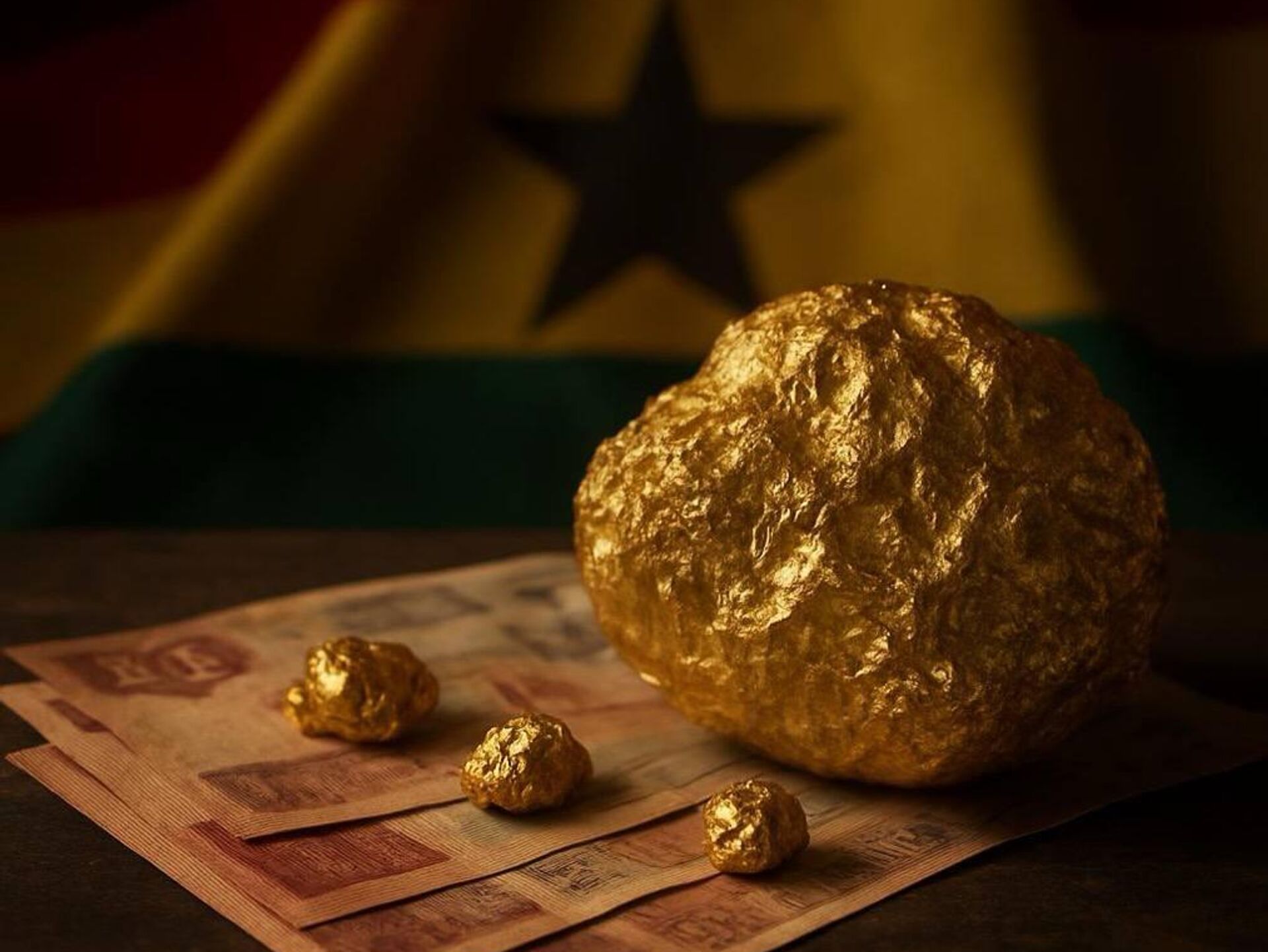
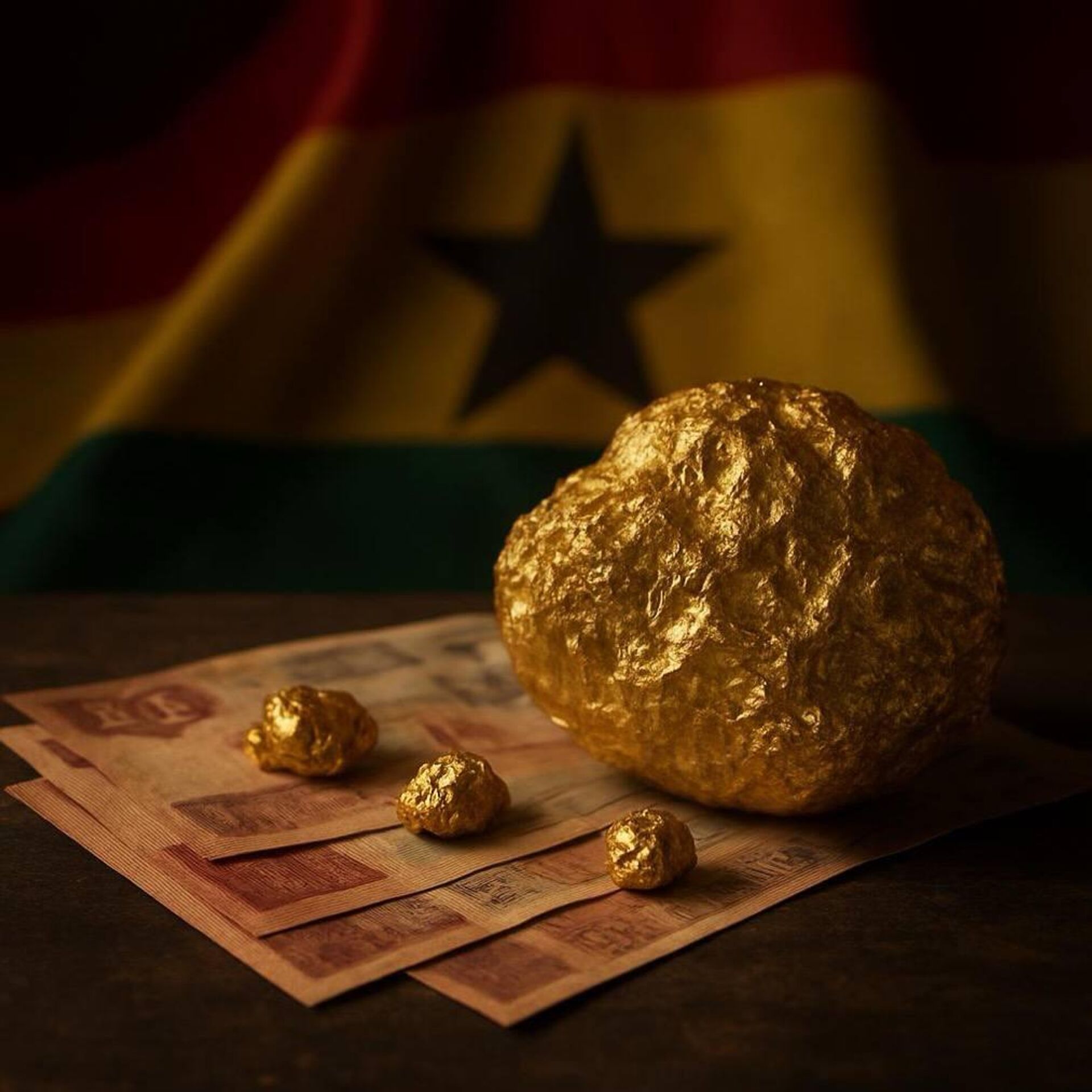
Beyond capital controls, he also pointed to Ghana’s strengthened focus on gold reserves as a strategic anchor. In his view, gold serves as a trusted store of value during periods of global uncertainty and helps build investor confidence. Countries that hold stronger gold reserves often signal stability to global markets. Combining reserve accumulation with measures that retain domestic capital, he suggested, creates a stronger buffer against volatility.
"This is clearly a model that I think that if African countries are going to emulate and also model their economies around shoring or backing up their currency with gold, we are going see a major turnaround in the volatility in the currency market, as we've seen against major currencies across the world," Dr. Bannor said.
While supportive of the stabilization effort, he maintains that its ultimate success will be judged not only by exchange rate movements but by whether it improves jobs, incomes, and the everyday realities of citizens.
To listen to the whole discussion, tune in to the Global South Pole podcast, brought to you by Sputnik Africa.
In addition to the website, you can also catch our episodes on
Telegram.► Check out all the episodes of Global South Pole.