1949 Enugu Miners Massacre: What We Know About Event That Became Symbol of Nigeria’s Anti-Colonial Struggle
1949 Enugu Miners Massacre: What We Know About Event That Became Symbol of Nigeria’s Anti-Colonial Struggle
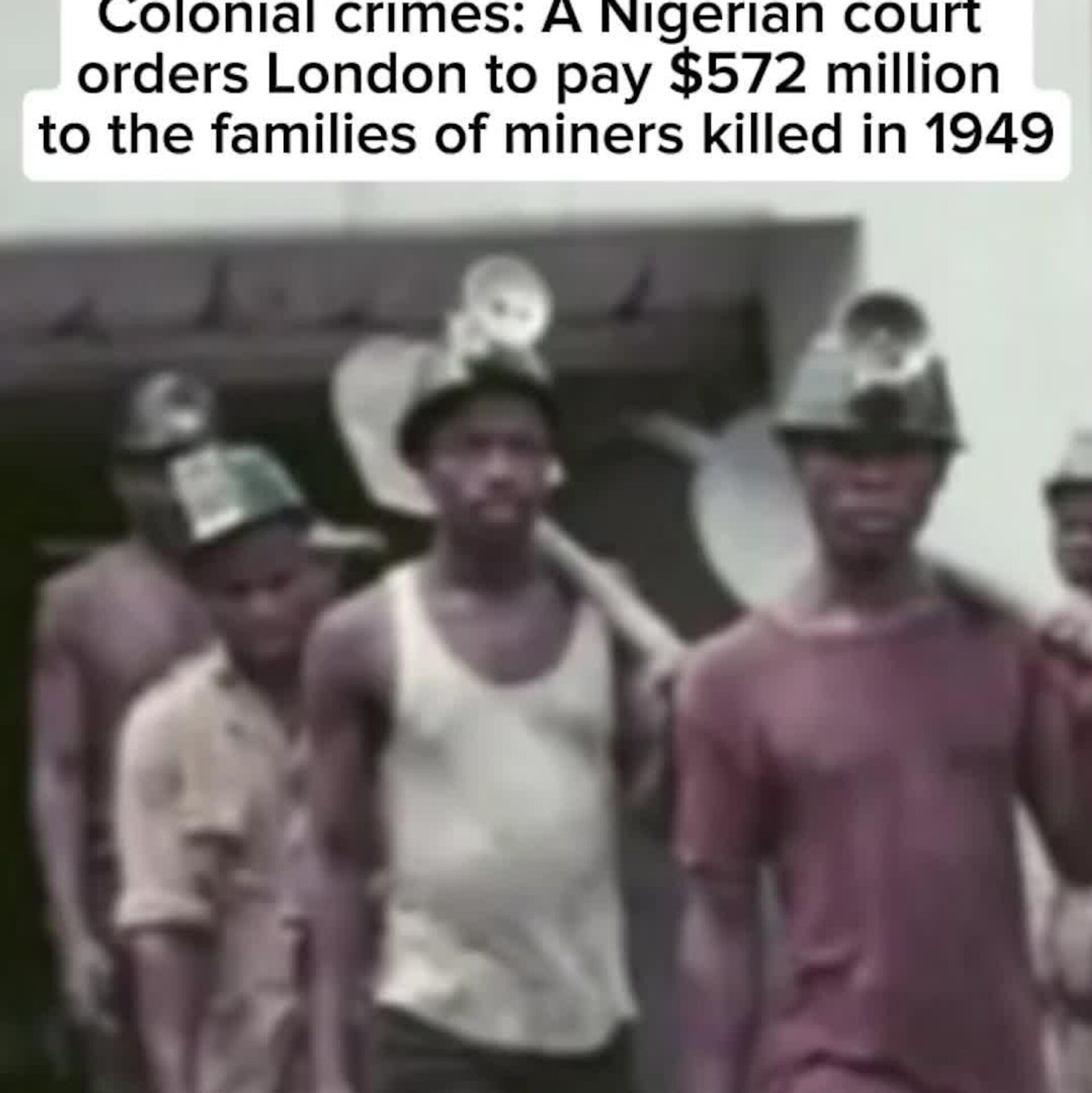
▪On November 18, 1949, British colonial police opened fire on unarmed striking miners at the Iva Valley coal mine in Enugu, southeastern Nigeria. The incident remains one of the most tragic and emblematic events of Nigeria’s colonial era.
▪The toll was heavy: 21 miners killed and 51 injured.
▪The workers were protesting against:
• Harsh and dangerous working conditions,
• Extremely low wages and blatant racial pay disparities—European workers were paid far more,
• Unpaid wages and unjust dismissals.
▪The strike, initially peaceful and backed by the African Mineworkers’ Union, escalated after management dismissed dozens of workers.
▪On the day of the shooting, miners were peacefully occupying the site to prevent the removal of equipment and explosives.
▪Acting on orders from the British police superintendent, law enforcement—composed of both British and Nigerian officers—opened fire on the crowd after allegedly claiming they felt threatened.
▪Investigations were launched at the time but largely exonerated colonial officials.
Justice served: On February 6, the High Court of Enugu State ordered the UK government to pay $572 million in compensation to the families of the slain miners.
Subscribe to @sputnik_africa