Deepfakes Mean We Must Question What We See and Hear, Tanzanian Cybersecurity Expert Says
Deepfakes Mean We Must Question What We See and Hear, Tanzanian Cybersecurity Expert Says
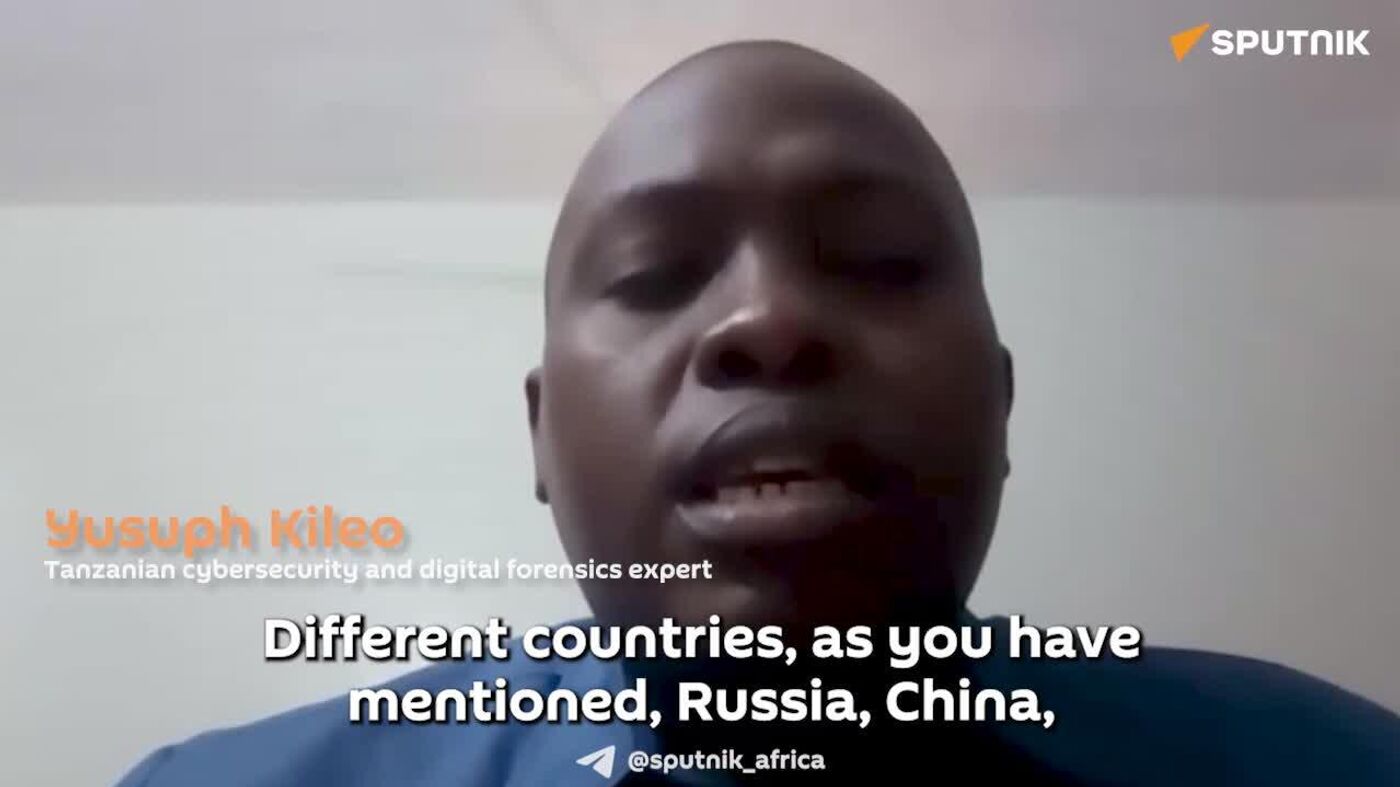
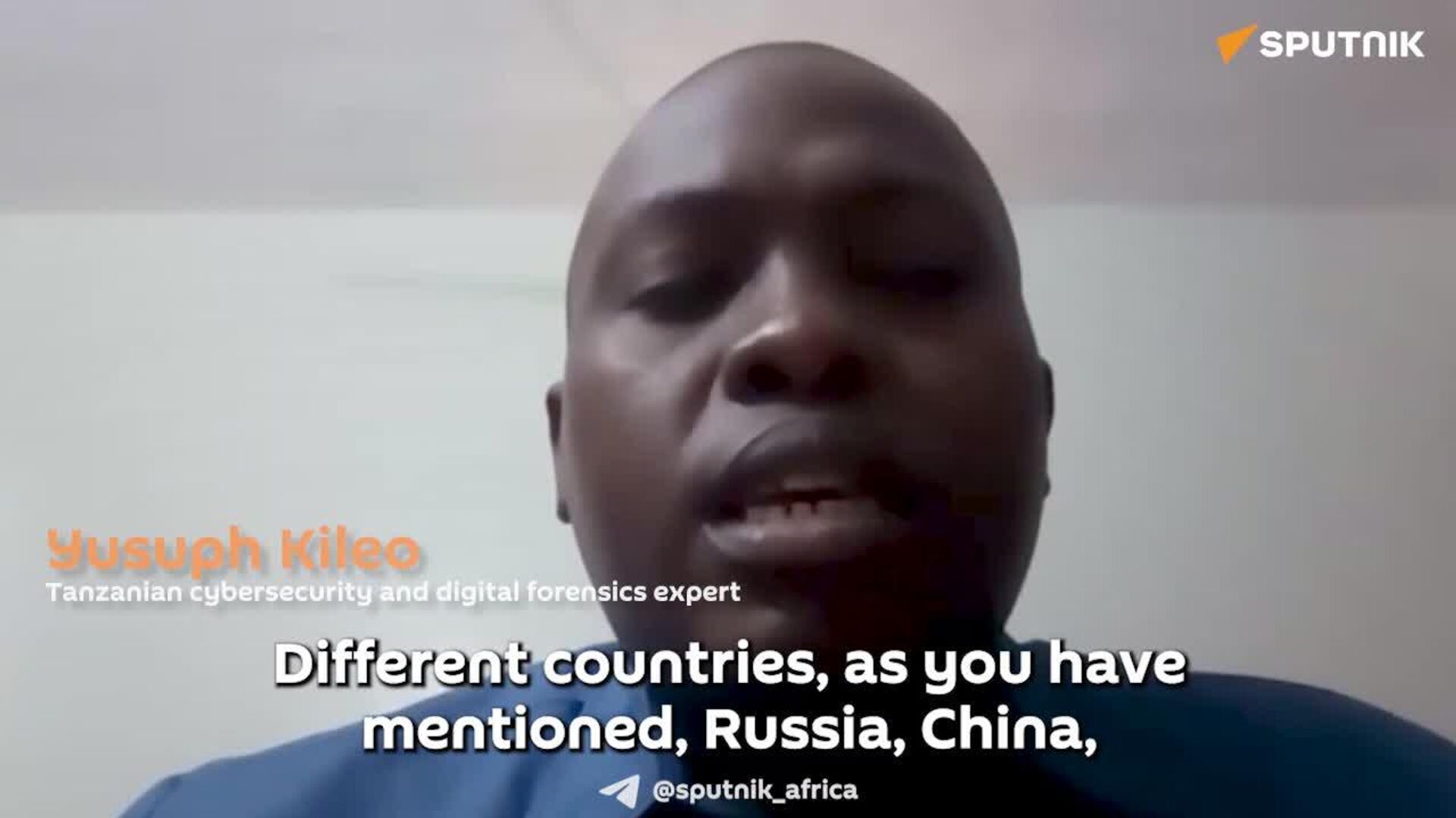
As artificial intelligence rapidly transforms how information is created and shared, Tanzanian cybersecurity and digital forensics expert Yusuph Kileo warned that truth is becoming harder to verify in the digital age.
Speaking with Sputnik Africa, he urged the public to be cautious, saying people “should not trust digital content by default” because much of what circulates online may be AI-generated. He stressed the need to verify information before sharing it, especially viral videos and images.
Kileo highlighted the growing danger of deepfakes, noting that manipulation now goes beyond visuals:
“It's also now that we have audio. People can create an audio that you speak.”
This makes it easier to impersonate individuals and spread false narratives.
On tackling misinformation, he explained that false content thrives when accurate information is delayed: “Misinformation is born when you… do not provide the right information at the right time from the right sources.”
He called on governments to improve timely communication and urged tech companies to invest more in detecting harmful AI-generated content.
He also emphasized the importance of international cooperation, pointing to partnerships with countries like Russia, China, and India that help build technical skills. He cited Tanzania’s Digital Tanzania Project, which has sent hundreds of people abroad to study artificial intelligence and cybersecurity.
What three key pillars are required to fight AI-driven misinformation, according to Kileo? Find out in the video.
Subscribe to @sputnik_africa