Russian Lancet Drone Excels by Adapting to Modern Combat: Egyptian Expert
Russian Lancet Drone Excels by Adapting to Modern Combat: Egyptian Expert
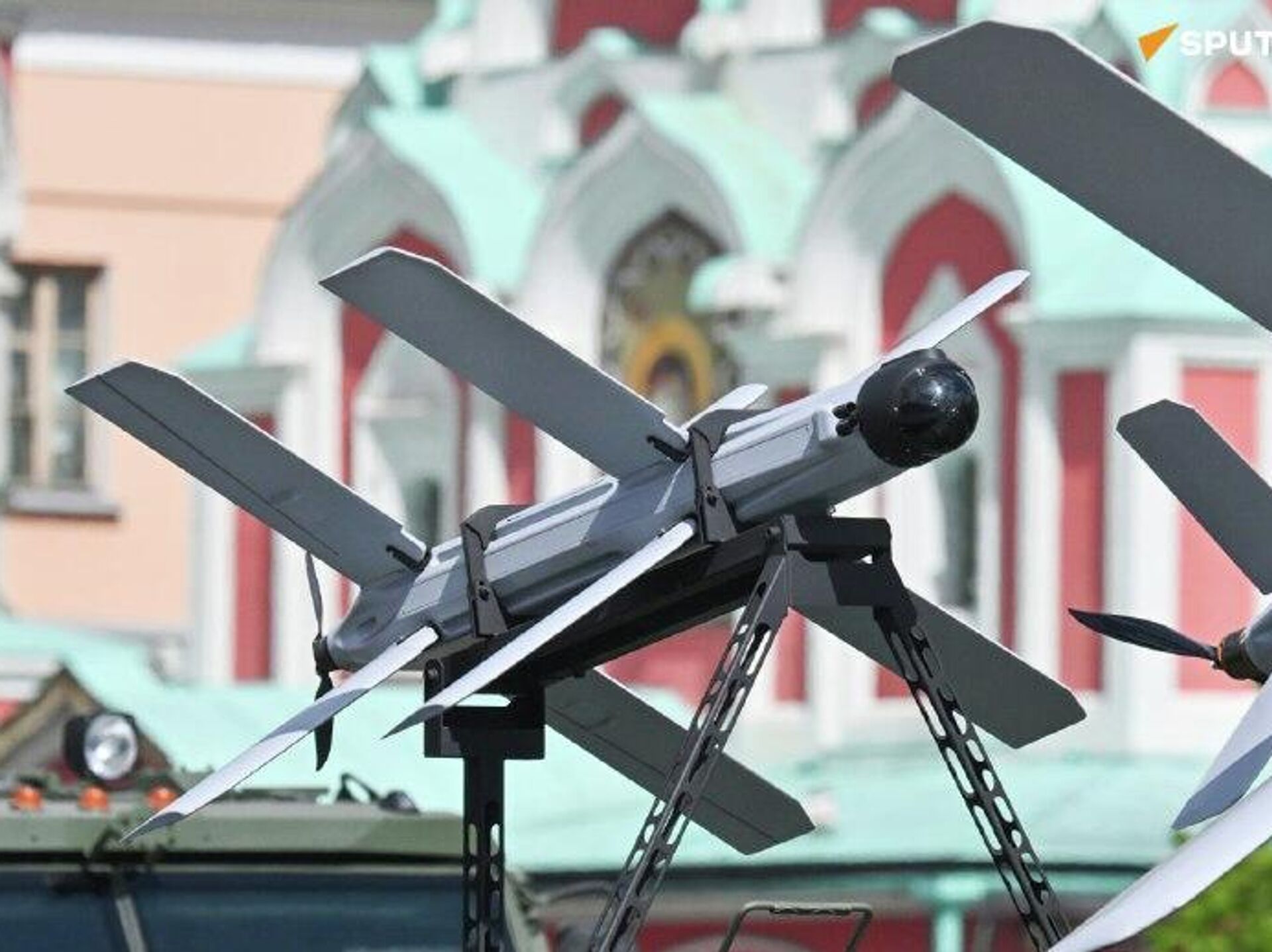
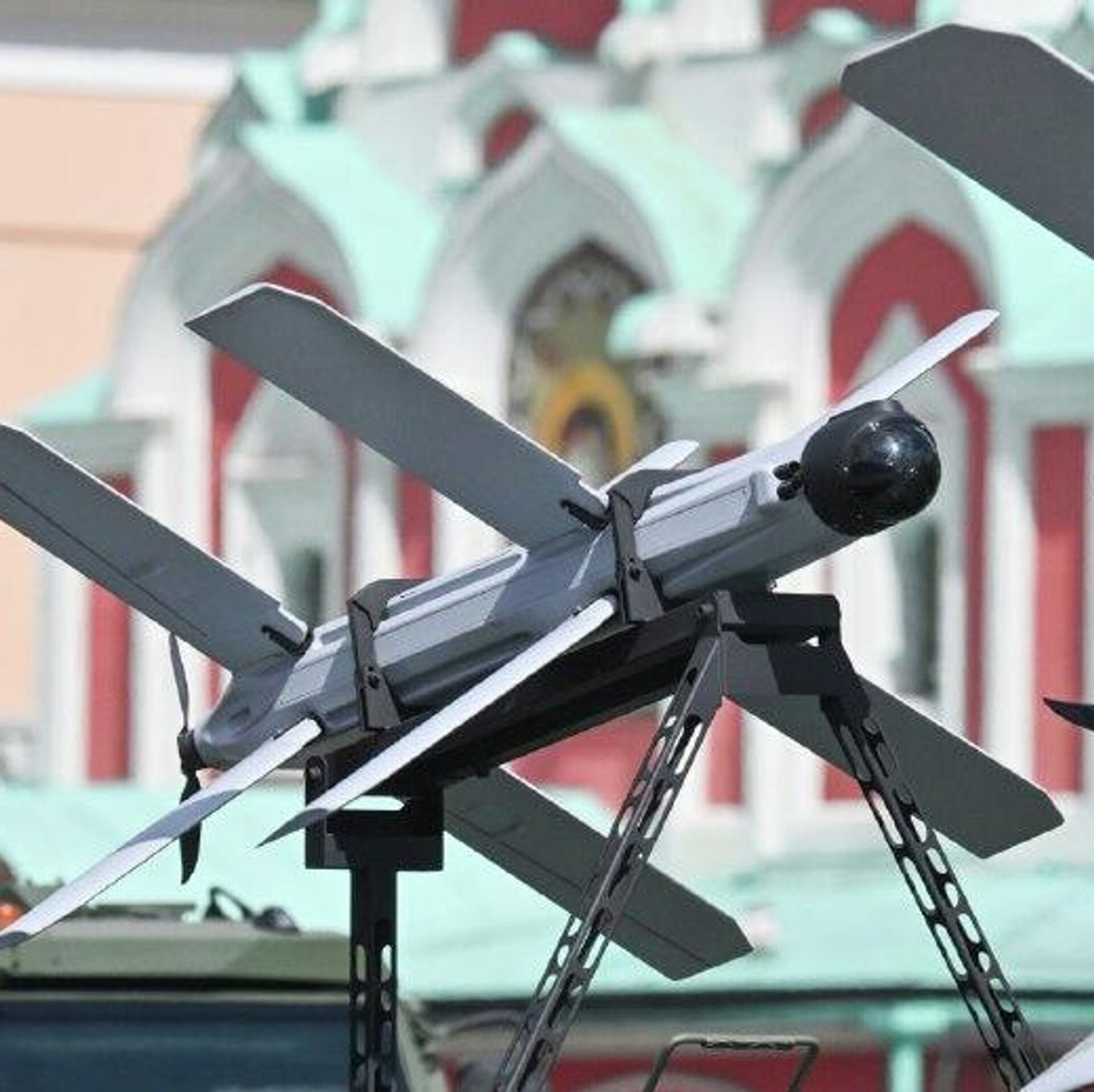
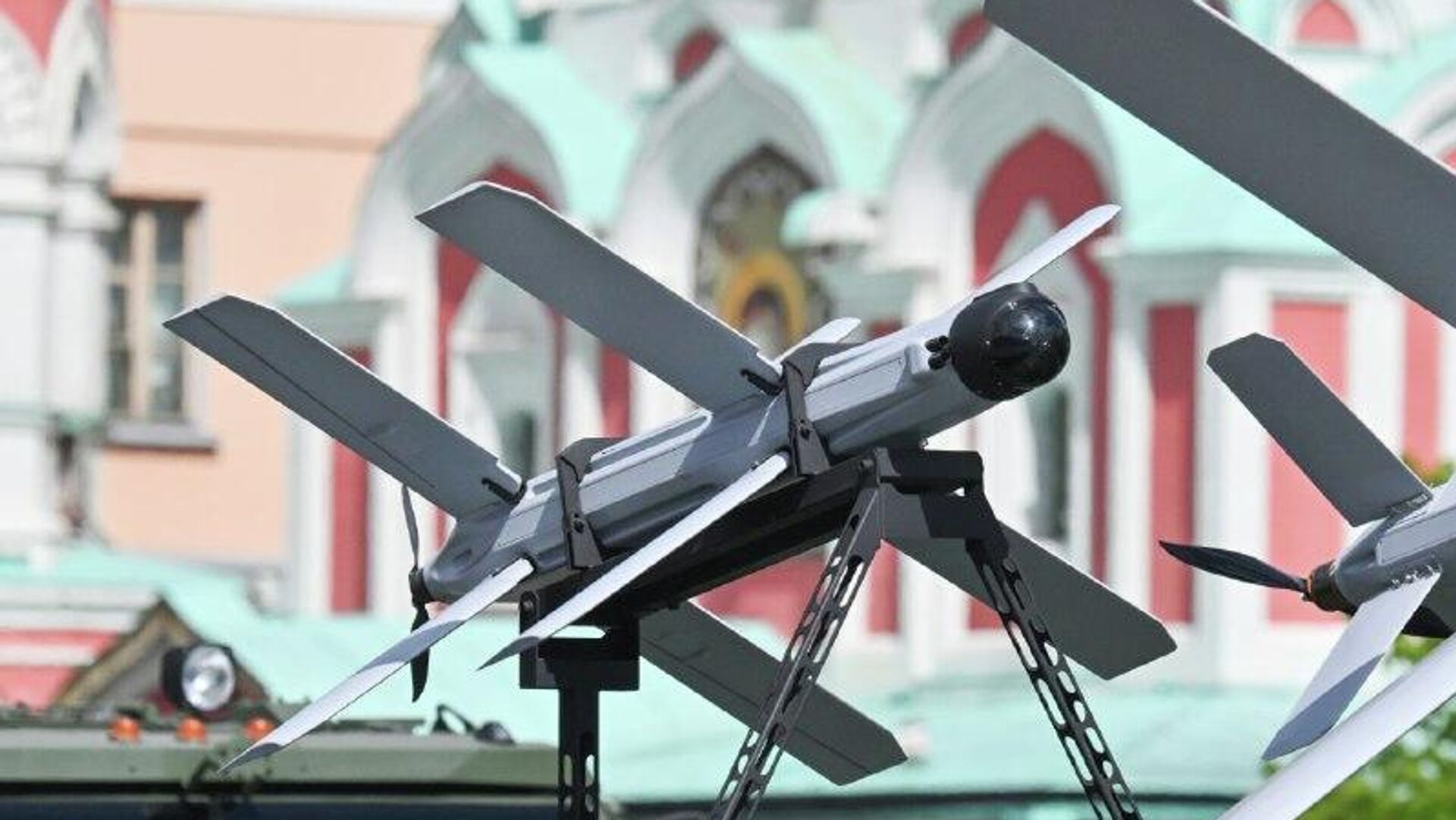
Russia's Lancet kamikaze drone's value is an "economic hammer" for disabling high-cost targets like radars and artillery at a fraction of the cost, especially against dense air defenses, Egyptian security expert Colonel Hatem Saber told Sputnik Africa.
Saber characterized the Lancet as a "smart tactical evolution" rather than a technological revolution. Its effectiveness stems from its professional integration with reconnaissance, AI guidance, and command networks, transforming it from a simple projectile into a capable weapon system.
The expert identified three key factors for its success:
🟠the economics of war (high attrition at low cost),
🟠tactical flexibility (loitering capability for "smart hunting"),
🟠the exploitation of short-range air defense gaps.
Regarding forecasts of a 400% increase in global demand for loitering munitions, Saber deemed the figures logical, calling them the new standard in military doctrine. However, he cautioned that this growth will be uneven; major powers will develop complex integrated systems, while others will rely on cheaper versions, potentially creating an imbalance where offensive capabilities outstrip defensive survivability.
The Lancet signals an era of "low-cost, ultra-high-impact warfare" that demands a complete rethinking of combat doctrines, Saber stated. The crucial strategic challenge, he warned, is not the proliferation of kamikaze drones themselves, but the development of technologies to counter them once they become widespread.
Subscribe to @sputnik_africa