https://en.sputniknews.africa/20260119/1082570768.html
Israeli PM Calls on Trump Not to Attack Iran Due to Jewish State's Low Defense Ability: Reports
Israeli PM Calls on Trump Not to Attack Iran Due to Jewish State's Low Defense Ability: Reports
Sputnik Africa
WASHINGTON (Sputnik) - US President Donald Trump's decision not to strike Iran this week may have been influenced by a warning from his ally, Israeli Prime... 19.01.2026, Sputnik Africa
2026-01-19T08:02+0100
2026-01-19T08:02+0100
2026-01-19T08:02+0100
iran
israel
united states (us)
benjamin netanyahu
donald trump
middle east
international
https://cdn1.img.sputniknews.africa/img/07ea/01/13/1082570946_0:0:3072:1728_1920x0_80_0_0_9d99e815ee5bf515d89e0ddfe0c8119d.jpg
According to the report, Netanyahu told Trump that Israel was not prepared to defend itself against a possible retaliatory strike from Iran, especially since the US did not have sufficient forces in the region to help Israel intercept Iranian missiles and drones. Furthermore, Netanyahu believes that the current US plan is not effective enough and will not produce the desired results, the report said citing one of the prime minister's advisers. The phone call between the leaders took place on Wednesday, January 14, when Trump was expected to launch airstrikes against Iran. Saudi Crown Prince Mohammed Salman also spoke out against the strikes in a phone call with Trump, citing concerns about regional security, Axios noted. However, due to insufficient military equipment in the region, warnings from allies like Israel and Saudi Arabia, concerns from senior advisers about the consequences and effectiveness of possible strike options, and secret backchannel talks with the Iranians, Trump decided not to order the attack, Axios said. Amid protests in Iran, Trump canceled all contacts with Iranian officials, supported the protesters, and allowed for all possible actions against Iran, including airstrikes. Tehran, for its part, warned that Trump's statements threatened the sovereignty of the Islamic Republic.
iran
israel
united states (us)
middle east
Sputnik Africa
feedback@sputniknews.com
+74956456601
MIA „Rossiya Segodnya“
2026
Sputnik Africa
feedback@sputniknews.com
+74956456601
MIA „Rossiya Segodnya“
News
en_EN
Sputnik Africa
feedback@sputniknews.com
+74956456601
MIA „Rossiya Segodnya“
Sputnik Africa
feedback@sputniknews.com
+74956456601
MIA „Rossiya Segodnya“
iran, israel, united states (us), benjamin netanyahu, donald trump, middle east, international
iran, israel, united states (us), benjamin netanyahu, donald trump, middle east, international
Israeli PM Calls on Trump Not to Attack Iran Due to Jewish State's Low Defense Ability: Reports
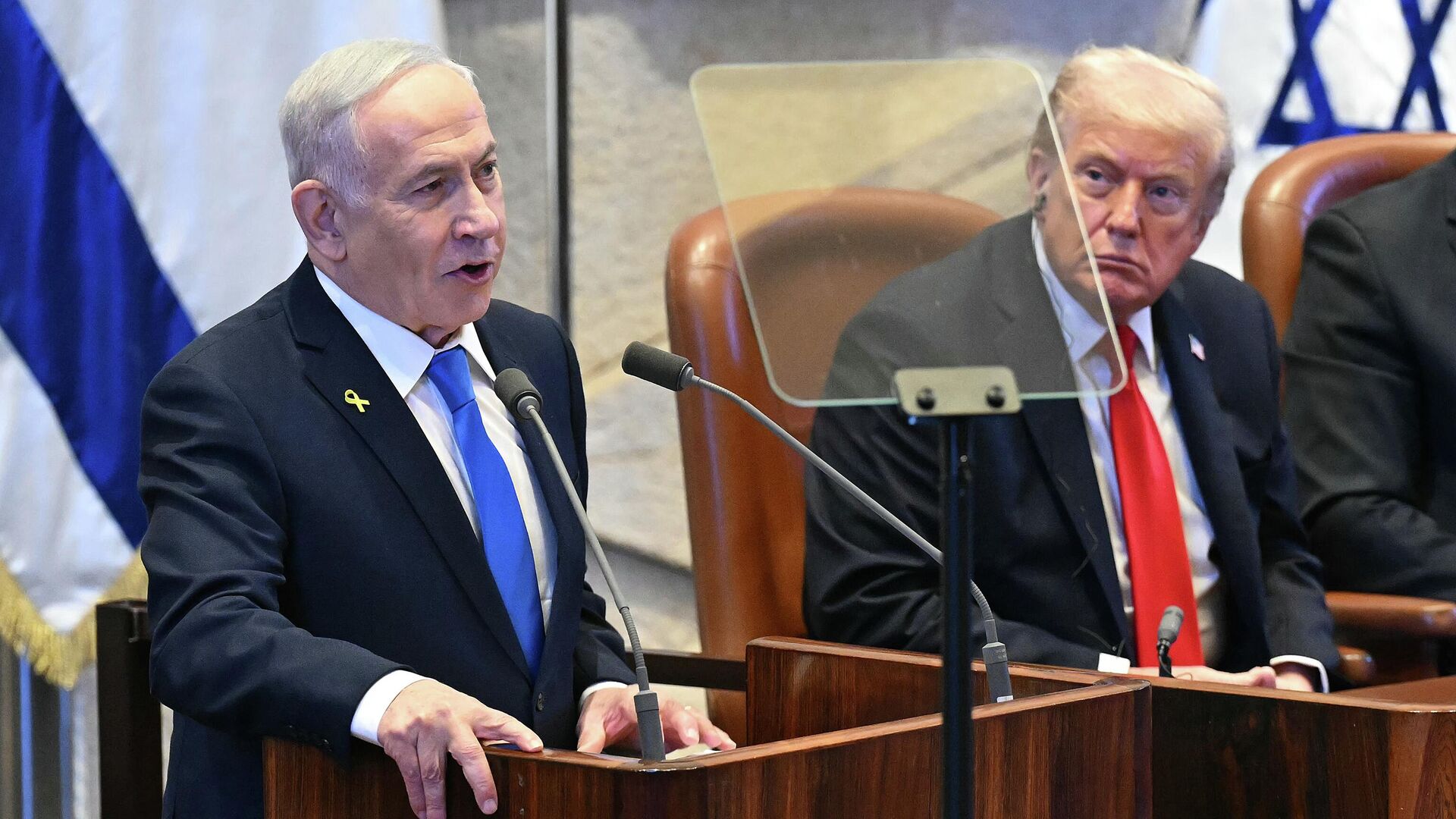
WASHINGTON (Sputnik) - US President Donald Trump's decision not to strike Iran this week may have been influenced by a warning from his ally, Israeli Prime Minister Benjamin Netanyahu, who pointed out Israel's lack of preparedness to defend itself in the event of a retaliatory strike from Tehran, Axios reported citing US and Israeli officials.
According to the report, Netanyahu told Trump that Israel was not prepared to defend itself against a possible retaliatory strike from Iran, especially since the US did not have sufficient forces in the region to help Israel intercept Iranian missiles and drones. Furthermore, Netanyahu believes that the current US plan is not effective enough and will not produce the desired results, the report said citing one of the prime minister's advisers.
The phone call between the leaders took place on Wednesday, January 14, when Trump was expected to launch airstrikes against Iran. Saudi Crown Prince Mohammed Salman also spoke out against the strikes in a phone call with Trump, citing concerns about regional security, Axios noted.
However, due to insufficient military equipment in the region, warnings from allies like Israel and Saudi Arabia, concerns from senior advisers about
the consequences and effectiveness of possible strike options, and secret backchannel talks with the Iranians, Trump decided not to order the attack, Axios said.
Amid protests in Iran, Trump canceled all contacts with Iranian officials, supported the protesters, and allowed for all possible actions against Iran, including airstrikes. Tehran, for its part, warned that Trump's statements threatened the sovereignty of the Islamic Republic.