https://en.sputniknews.africa/20260116/unlocking-solutions-nigerian-lecturer-pioneers-childrens-eco-game-to-address-africas-challenges-1082488430.html
Unlocking Solutions: Nigerian Lecturer Pioneers Children's Eco Game to Address Africa's Challenges
Unlocking Solutions: Nigerian Lecturer Pioneers Children's Eco Game to Address Africa's Challenges
Sputnik Africa
Across Africa, environmental challenges are often framed as problems waiting for large-scale solutions. Yet some of the most effective responses emerge from... 16.01.2026, Sputnik Africa
2026-01-16T15:07+0100
2026-01-16T15:07+0100
2026-01-16T15:07+0100
global south pole
podcasts
nigeria
africa
environment
recycling
sport
football
children
waste
https://cdn1.img.sputniknews.africa/img/07ea/01/10/1082496365_0:225:1024:801_1920x0_80_0_0_788a2186dc16aceba73a28864799a62e.jpg
Unlocking Solutions: Nigerian Lecturer Pioneers Children's Eco Game to Address Africa's Challenges
Sputnik Africa
Across Africa, environmental challenges are often framed as problems waiting for large-scale solutions. Yet some of the most effective responses emerge from simple ideas that reshape behavior, especially among young people. When learning, play, and responsibility intersect, sustainability becomes something lived, not enforced.
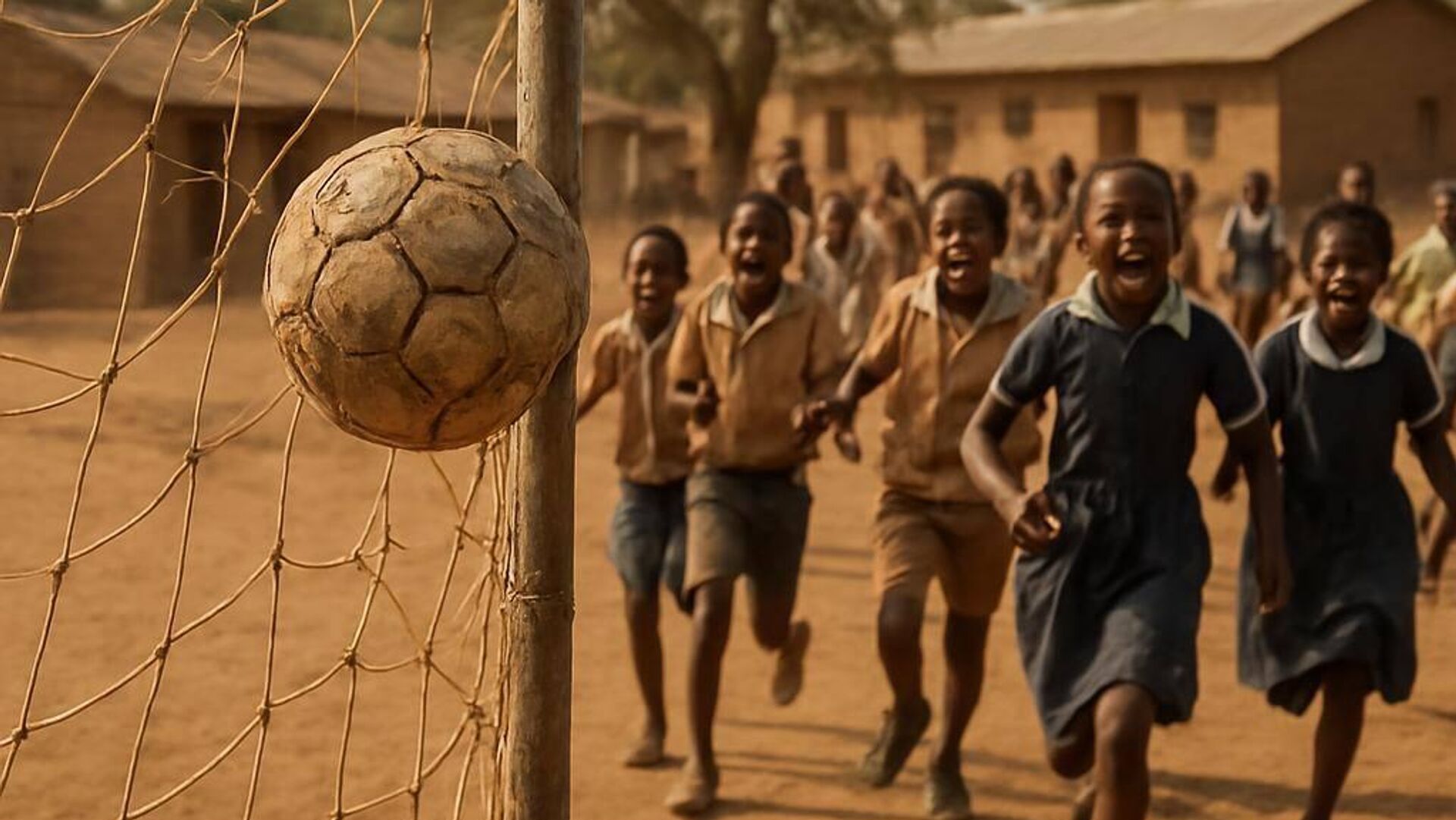
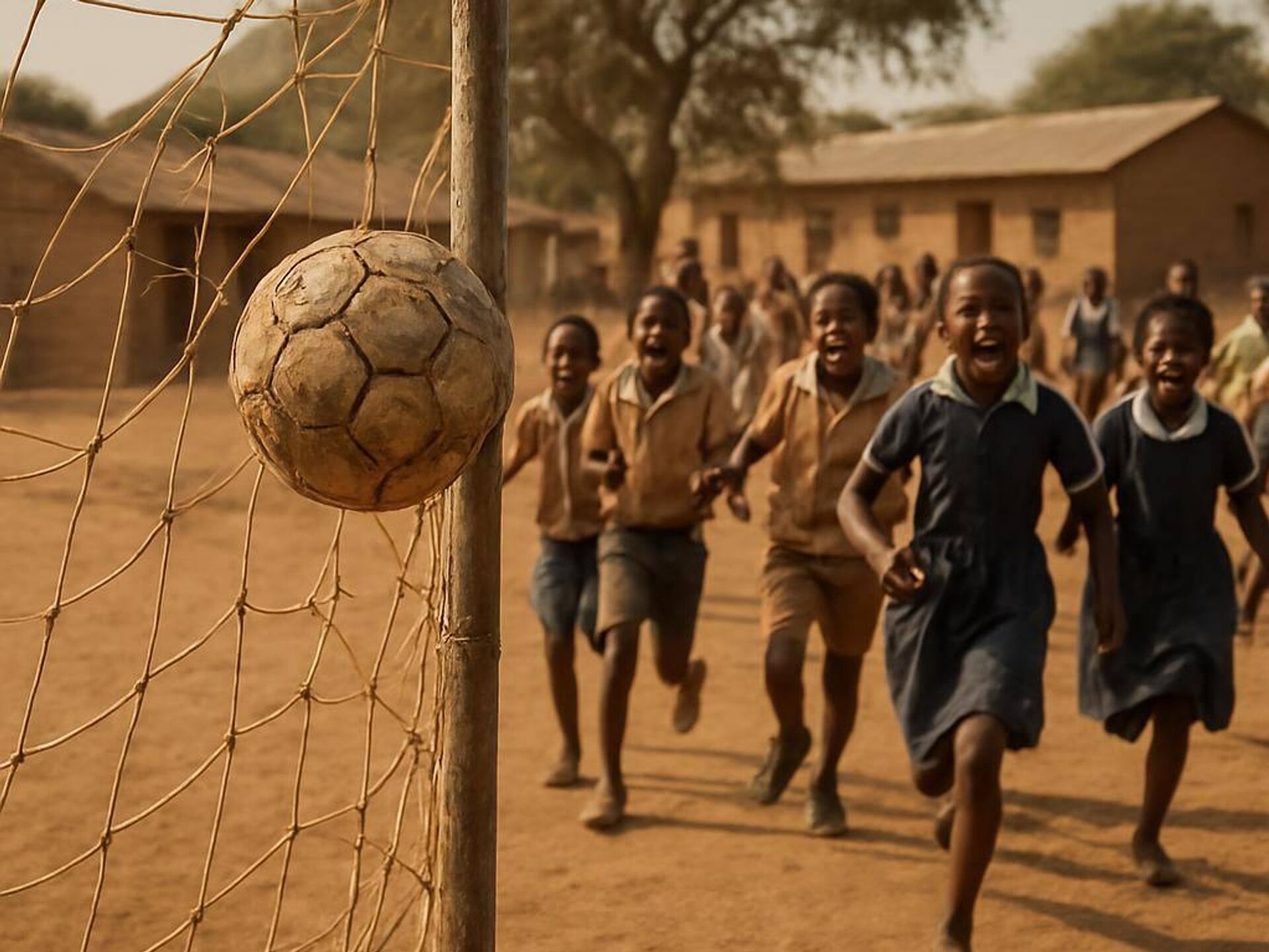
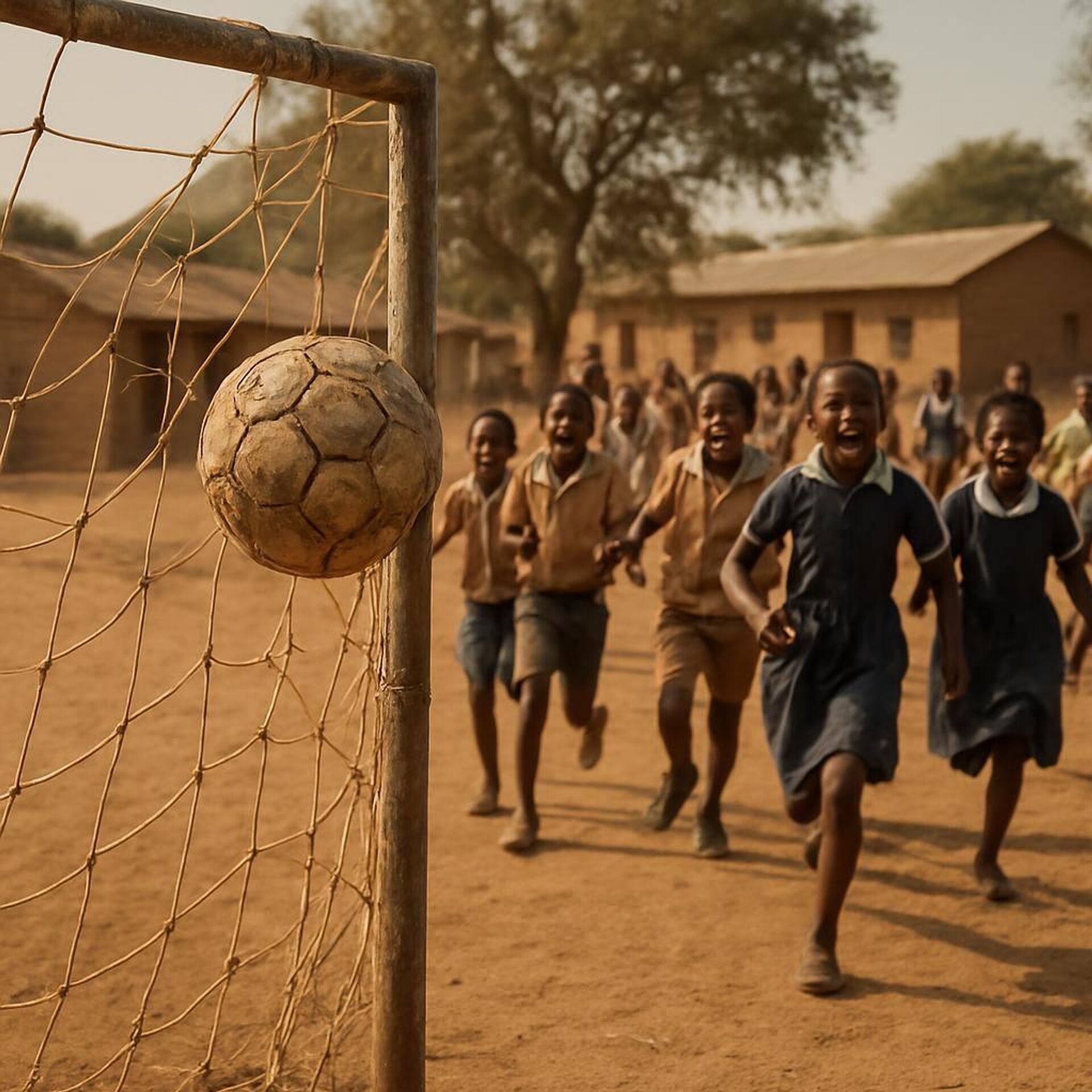
This thinking is at the heart of Ecoball, an initiative that transforms litter collection into a structured game for children. Rather than treating waste as a burden or punishment, the project uses competition, teamwork, and recognition to embed environmental awareness early in life.
This thinking is at the heart of Ecoball, an initiative that transforms litter collection into a structured game for children. Rather than treating waste as a burden or punishment, the project uses competition, teamwork, and recognition to embed environmental awareness early in life. Dr. Oludele Mayowa Solaja, founder of the Ecoball Initiative and senior lecturer at Olabisi Onabanjo University in Nigeria, sees this approach as a way to shift mindsets while building community engagement around waste management.He explained that Ecoball is designed to make environmental responsibility emotionally engaging rather than compulsory. By combining sports mechanics with waste sorting, repurposing, and environmental quizzes, children begin to associate cleanliness with pride and achievement. He noted that this early exposure helps normalize recycling, teamwork, and circular thinking, creating habits that can extend beyond schools into wider communities.To find out more about the Ecoball initiative, tune in to the Global South Pole podcast, brought to you by Sputnik Africa.In addition to the website, you can also catch our episodes on Telegram.► You can also listen to our podcast on Apple Podcasts, Spotify, Deezer, Castbox, Pocket Casts, Afripods, Podcast Addict, Overcast, and Mave Stream.► Check out all the episodes of Global South Pole
nigeria
africa
Sputnik Africa
feedback@sputniknews.com
+74956456601
MIA „Rossiya Segodnya“
2026
Aliyu Bello
https://cdn1.img.sputniknews.africa/img/07e9/0a/16/1079780916_214:0:1067:853_100x100_80_0_0_4bd8916543c40cbb732ddb736f79e903.jpg
Aliyu Bello
https://cdn1.img.sputniknews.africa/img/07e9/0a/16/1079780916_214:0:1067:853_100x100_80_0_0_4bd8916543c40cbb732ddb736f79e903.jpg
News
en_EN
Sputnik Africa
feedback@sputniknews.com
+74956456601
MIA „Rossiya Segodnya“
Sputnik Africa
feedback@sputniknews.com
+74956456601
MIA „Rossiya Segodnya“
Aliyu Bello
https://cdn1.img.sputniknews.africa/img/07e9/0a/16/1079780916_214:0:1067:853_100x100_80_0_0_4bd8916543c40cbb732ddb736f79e903.jpg
podcasts, nigeria, africa, environment, recycling, sport, football, children, waste, waste dump, students, аудио
podcasts, nigeria, africa, environment, recycling, sport, football, children, waste, waste dump, students, аудио
Unlocking Solutions: Nigerian Lecturer Pioneers Children's Eco Game to Address Africa's Challenges
Aliyu Bello
Correspondent, Podcast Host
Across Africa, environmental challenges are often framed as problems waiting for large-scale solutions. Yet some of the most effective responses emerge from simple ideas that reshape behavior, especially among young people. When learning, play, and responsibility intersect, sustainability becomes something lived, not enforced.
This thinking is at the heart of Ecoball, an initiative that transforms litter collection into a structured game for children. Rather than treating waste as a burden or punishment, the project uses competition, teamwork, and recognition to embed environmental awareness early in life. Dr. Oludele Mayowa Solaja, founder of the Ecoball Initiative and senior lecturer at Olabisi Onabanjo University in Nigeria, sees this approach as a way to shift mindsets while building community engagement around waste management.
He explained that Ecoball is designed to make environmental responsibility emotionally engaging rather than compulsory. By combining sports mechanics with waste sorting, repurposing, and environmental quizzes, children begin to associate cleanliness with pride and achievement. He noted that this early exposure helps normalize recycling, teamwork, and circular thinking, creating habits that can extend beyond schools into wider communities.
“The major emotional influence that I observed is that the pupils were happy seeing the environment clean. […] they discover that the environment is clean […] with the spirit of competition. So it was fun, and I think that the major emotional or psychological influence is the fact that they are able to ensure that the environment is clean, and they are also doing it in a very competitive manner with the team spirit, the team goal, and then with the aim that they will have certain recognition for being the overall best,” Dr. Solaja explained.
To find out more about the Ecoball initiative, tune in to the Global South Pole podcast, brought to you by Sputnik Africa.
In addition to the website, you can also catch our episodes on
Telegram.► Check out all the episodes of Global South Pole