Major Discovery in Morocco: Fossils Strengthen Africa's Role as Humanity's Cradle, Says Ministry
Major Discovery in Morocco: Fossils Strengthen Africa's Role as Humanity's Cradle, Says Ministry
Scientists in Morocco have unveiled a significant collection of ancient human fossils discovered in the country, bolstering the theory of Africa as the primary origin point for humanity.
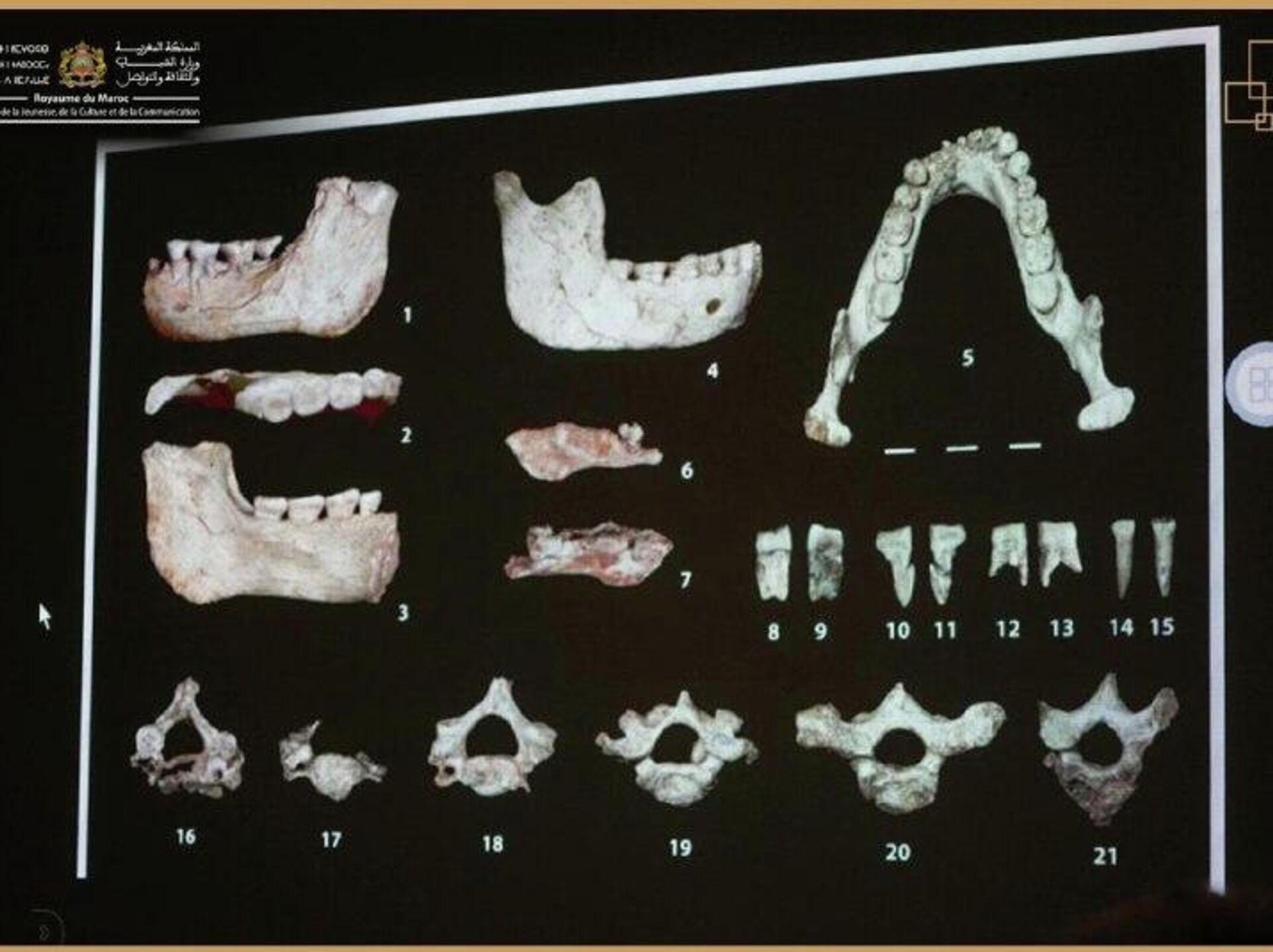
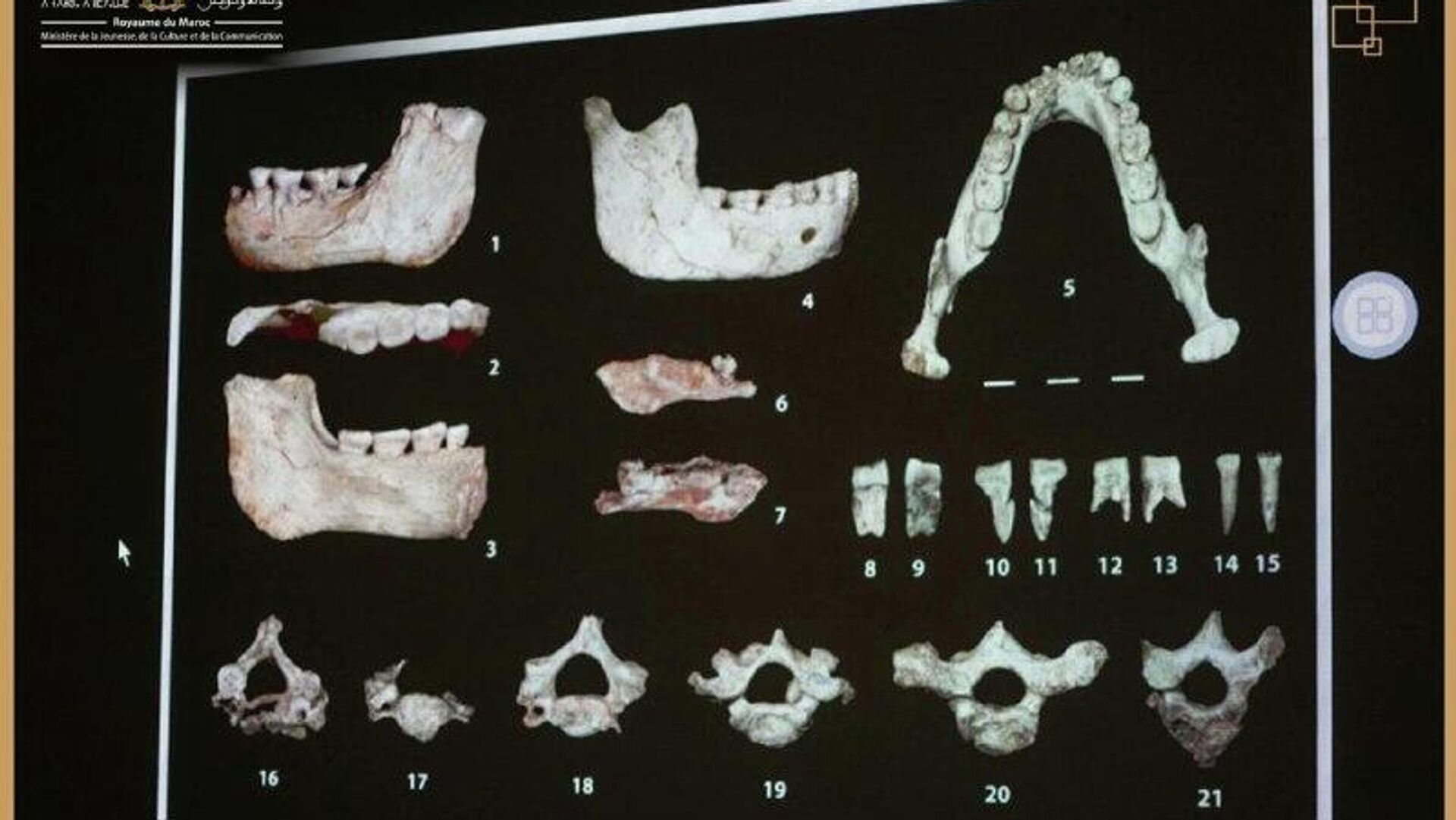
Excavations at the "Grotte à Hominidés" near Casablanca uncovered remains dated to approximately 773,000 years old, according to the Moroccan Ministry of Culture.
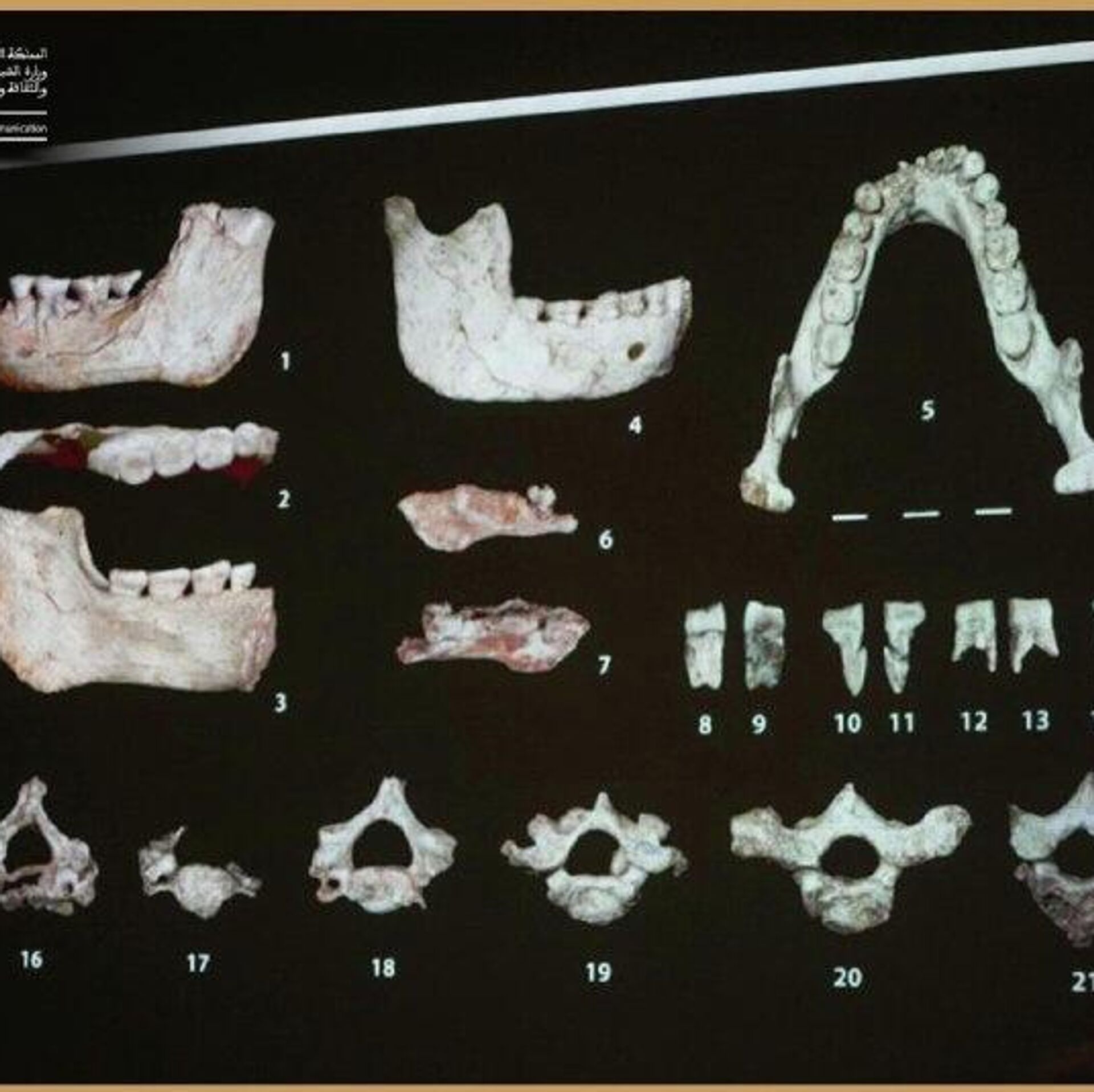
The findings include an adult's partial lower jaw, a complete jawbone, part of a child's jaw, a femur fragment, isolated teeth, and vertebrae.
These fossils likely belong to a common ancestor of both modern humans (Homo sapiens) and Neanderthals, an international research team said after using advanced magnetostratigraphic analysis.
The discoveries "fill a major gap in the African fossil record," providing crucial evidence from the period when genetic data indicates the evolutionary split between the lineage leading to Homo sapiens and those leading to Eurasian Neanderthals and Denisovans, Moroccan researcher Abderrahim Mohib said.
Subscribe to @sputnik_africa