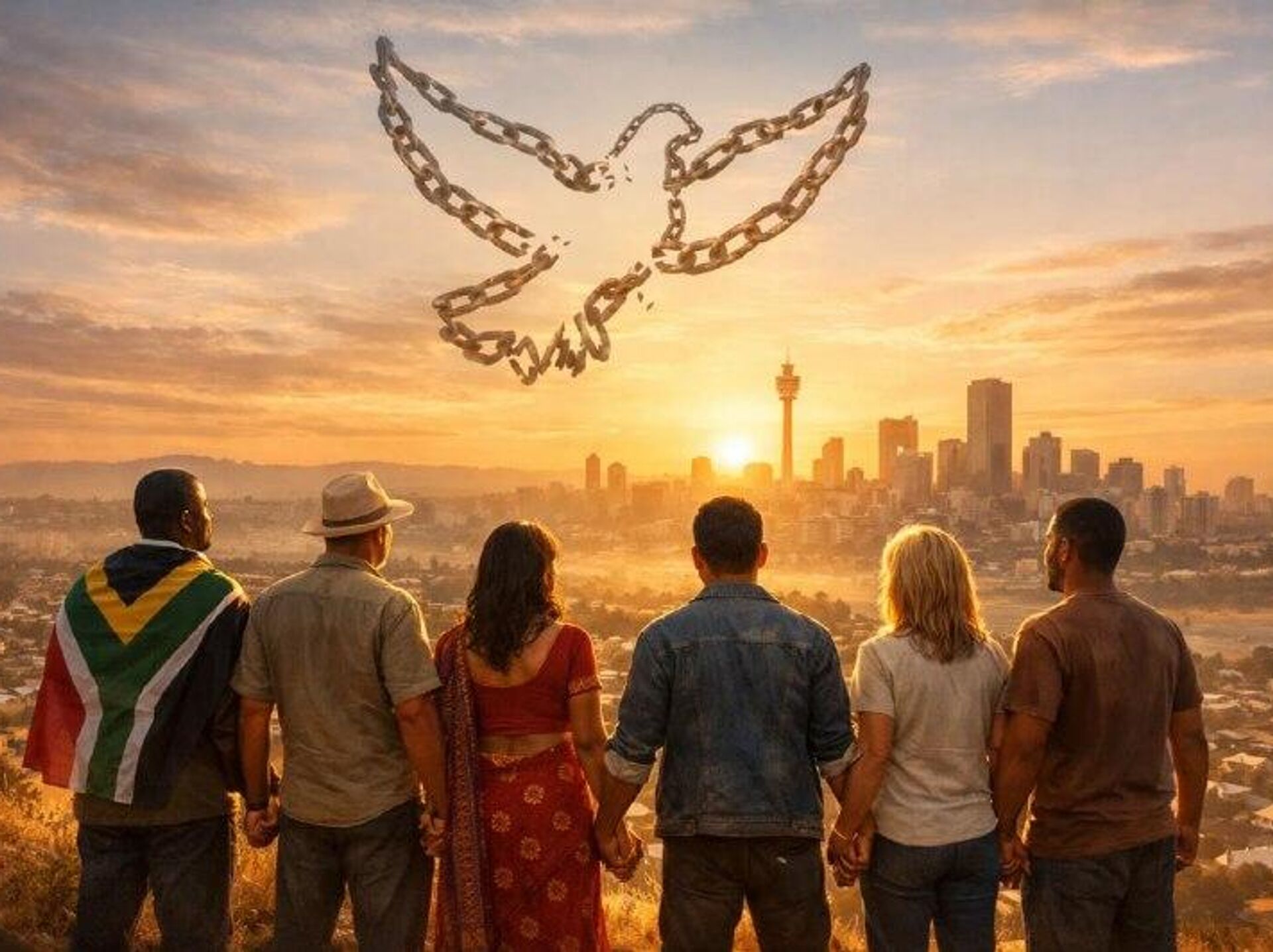
'Freedom Without Unity is Incomplete': South Africans Reflect on Reconciliation Day
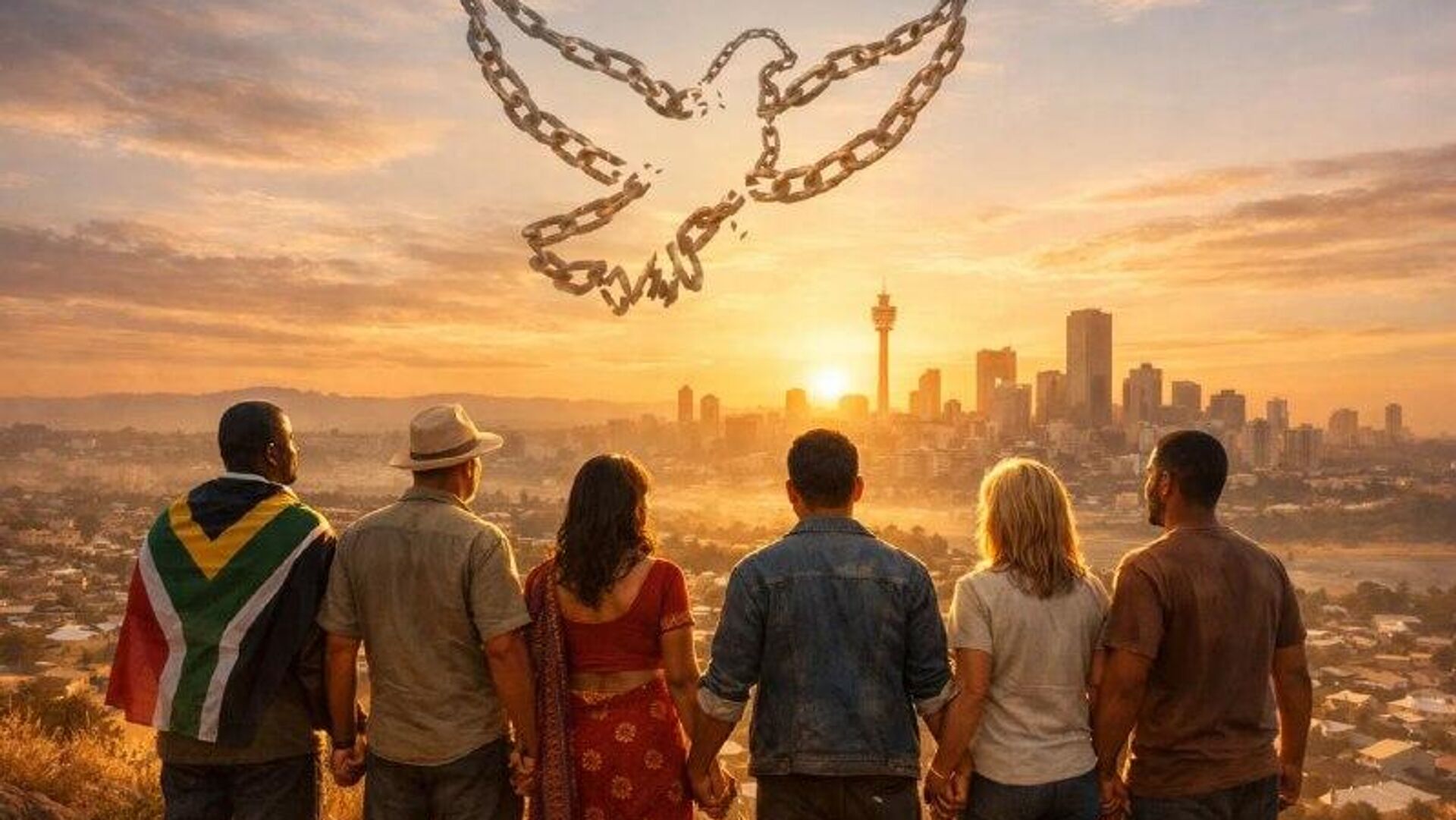
'Freedom Without Unity is Incomplete': South Africans Reflect on Reconciliation Day
True reconciliation requires both Black and white communities to work together to ensure no future generation remains trapped in poverty, Dali Thambo, son of legendary anti-apartheid activist Oliver Tambo, told Sputnik Africa.
He argued that only high-quality, long-term education can lift the children of laborers and factory workers into leadership and economic participation, breaking the cycle of intergenerational poverty.
Tambo warned that South Africa still resembles what former President Thabo Mbeki once called “two nations in one”—a divide that threatens the country’s future.
While he welcomed signs of progress, such as integrated schools and universities, he insisted that without uplifting the historically marginalized, reconciliation remains an empty phrase.
Today’s Black, white, Indian, and multiracial young people are growing up together, forming friendships that embody true transformation, Melisizwe Mandela, Nelson Mandela’s great-grandson, said.
He called for cultural exchange programs to foster mutual respect: learning Afrikaner traditions while also sharing one’s own customs and boundaries. South Africa must build a society where people actively teach and learn from one another to grow in understanding, Mandela stressed.
In a vox pop conducted by Sputnik Africa, a South African citizen called for collective forgiveness, an end to racial divisions, and mutual recognition, summing up Reconciliation Day as a moment to lay down hostility and celebrate together in shared respect.
AI-generated image
Subscribe to @sputnik_africa