World Has Only 20 Years of Economically Viable Diamond Reserves Left, Mainly in Russia, Angola & Botswana
World Has Only 20 Years of Economically Viable Diamond Reserves Left, Mainly in Russia, Angola & Botswana
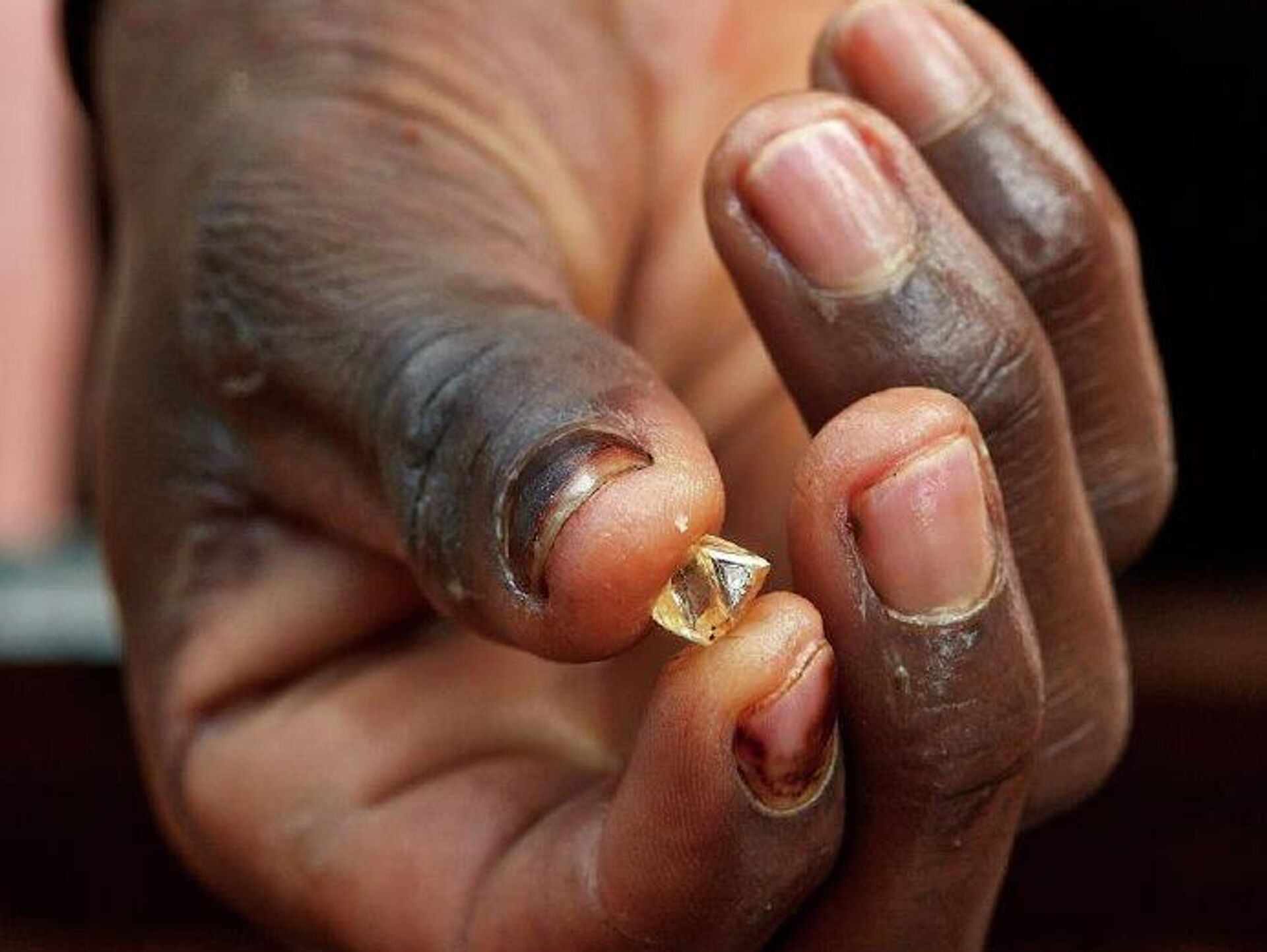
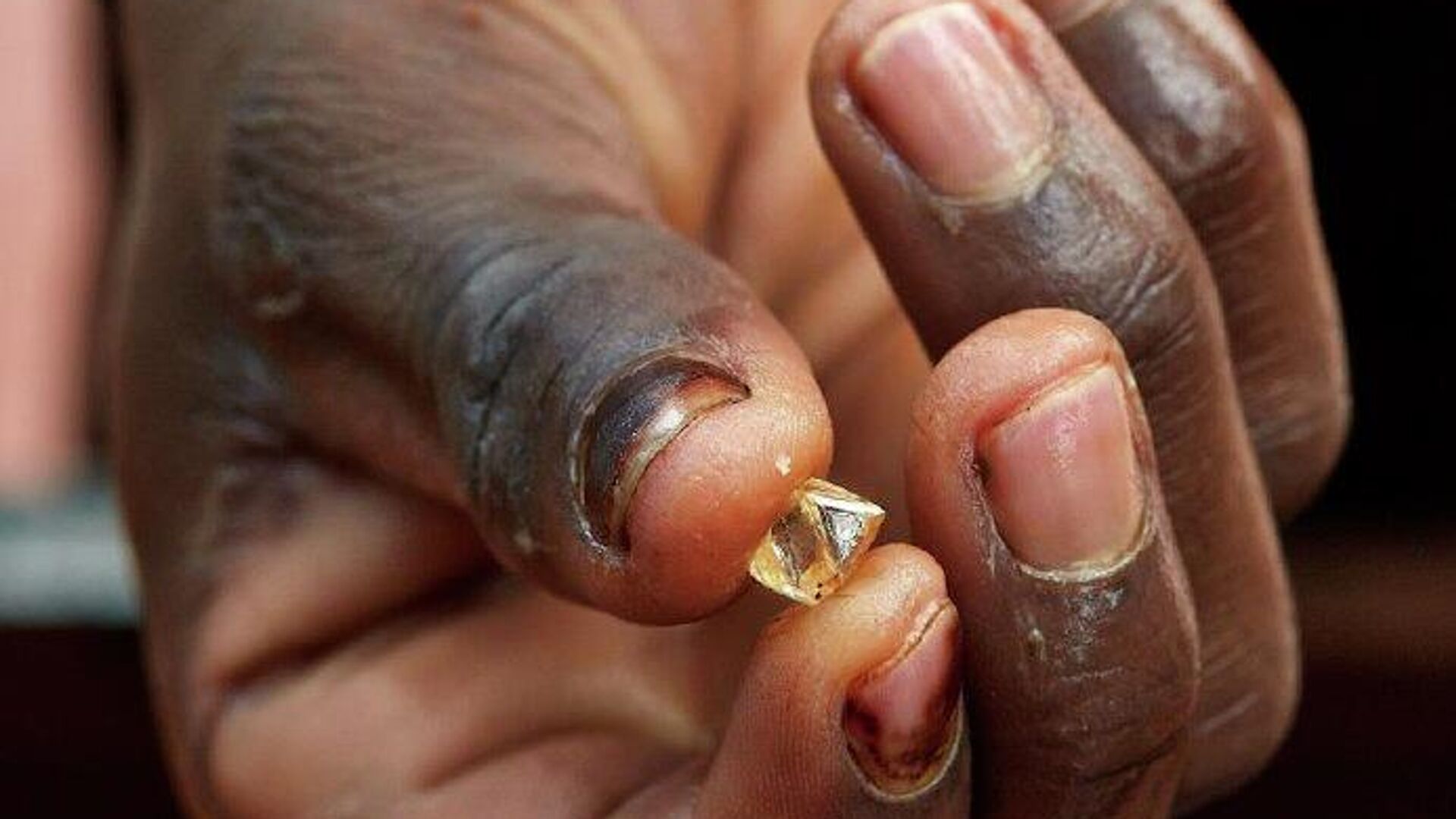
"The current estimate of economically viable diamond reserves at current prices is 1.8 billion carats. This would last approximately 20 years at a production rate of 90 million carats per year," Sergey Takhiev, head of corporate finance and investor relations at Russian diamond producer Alrosa, told Sputnik.
Slightly more than half of these reserves are located in Russia, he said, noting that the remaining reserves are primarily concentrated in Africa, notably in Botswana and Angola .
If global diamond production keeps declining, current reserves of 1.8 billion could last 50–60 years or more, Takhiev said. He added that a severe shortage is unlikely, though a gradual price recovery is expected soon.
This outlook is supported by sustained consumer demand, as final demand for diamond jewelry remains strong, with young consumers increasingly purchasing luxury goods, including diamond jewelry, Takhiev stated.
After peaking at $84 billion in 2021–2022, the diamond jewelry market has stabilized at $82 billion, 8–10% higher than in the 2010s, Takhiev said.
Synthetic diamonds have carved out a niche in the mass jewelry market, with prices falling 200-fold since the 2000s. Takhiev explained that they are widely used in fashion jewelry, priced below $70 per carat in wholesale, and sold alongside other inexpensive imitation stones. He emphasized that their impact on natural diamond prices is greatly exaggerated.
According to Takhiev, the mass-market segment accounts for 97–98% of all jewelry sales, while diamond jewelry represents only about 2–3%, making it a niche segment.
Subscribe to @sputnik_africa