Tunisia Marks 15 Years Since the Spark That Ignited Arab Spring
Tunisia Marks 15 Years Since the Spark That Ignited Arab Spring
On the occasion of Revolution Day (December 17), Tunisian President Kaïs Saïed issued a presidential pardon for 2,014 prisoners and instructed that an additional 674 detainees be granted conditional release, according to official announcements.
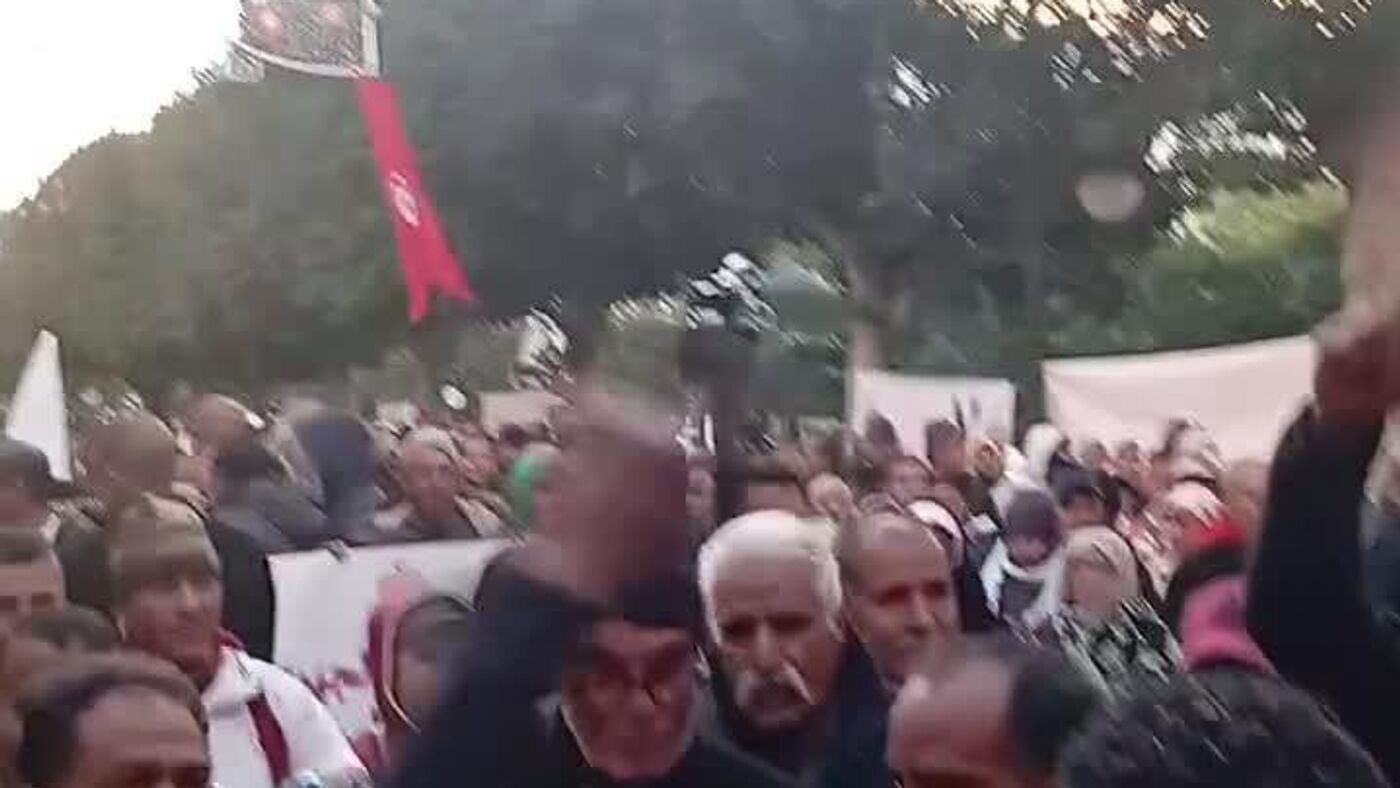
Today, hundreds of Tunisians marched through the streets of Tunis in support of President Saïed, marking the 15th anniversary of the start of the so-called "Jasmine Revolution."
On December 17, 2010, Mohamed Bouazizi, a 26-year-old street vendor, set himself on fire in Sidi Bouzid after local authorities confiscated his produce cart. His act triggered nationwide protests against unemployment, corruption, and authoritarian rule, ultimately leading to the fall of President Zine El Abidine Ben Ali.
In 2011, Tunisia’s uprising inspired mass protests and political upheaval across the Arab world, including in Egypt, Libya, Yemen, and Syria, a wave of events that became known as the Arab Spring.
Key milestones on Tunisia’s road following the revolution:
🟠2010
• Dec 28: President Ben Ali promises economic reforms and jobs while warning protesters, dismissing several officials as unrest spreads.
🟠2011
• Jan 14: Ben Ali flees to Saudi Arabia after the army refuses to suppress protests; an interim government is formed.
• Oct 23: Tunisia holds elections for a Constituent Assembly; the Islamist-leaning Ennahda party wins the largest share of seats and later forms a coalition government.
🟠2012
• Jan: Demonstrations mark the first anniversary of the revolution, with protesters demanding faster reforms and accountability.
• June: Riots erupt in Tunis and other cities following controversy over an art exhibition, leading to clashes, arrests, and temporary curfews.
🟠2013
• Feb 6: Opposition leader Chokri Belaid is assassinated, triggering mass protests and a political crisis.
• Oct: Ennahda agrees to step aside in favor of a technocratic interim government under a national dialogue process.
🟠2014
• Jan 27: Tunisia adopts a new constitution guaranteeing civil liberties, separation of powers, and political rights.
• Dec: Beji Caïd Essebsi wins the presidential election, marking the country’s first peaceful transfer of power through elections.
Subscribe to @sputnik_africa