‘We Cannot Turn Them Back’: Ramaphosa Explains Why SA Accepted 160 Palestinian Refugees
‘We Cannot Turn Them Back’: Ramaphosa Explains Why SA Accepted 160 Palestinian Refugees
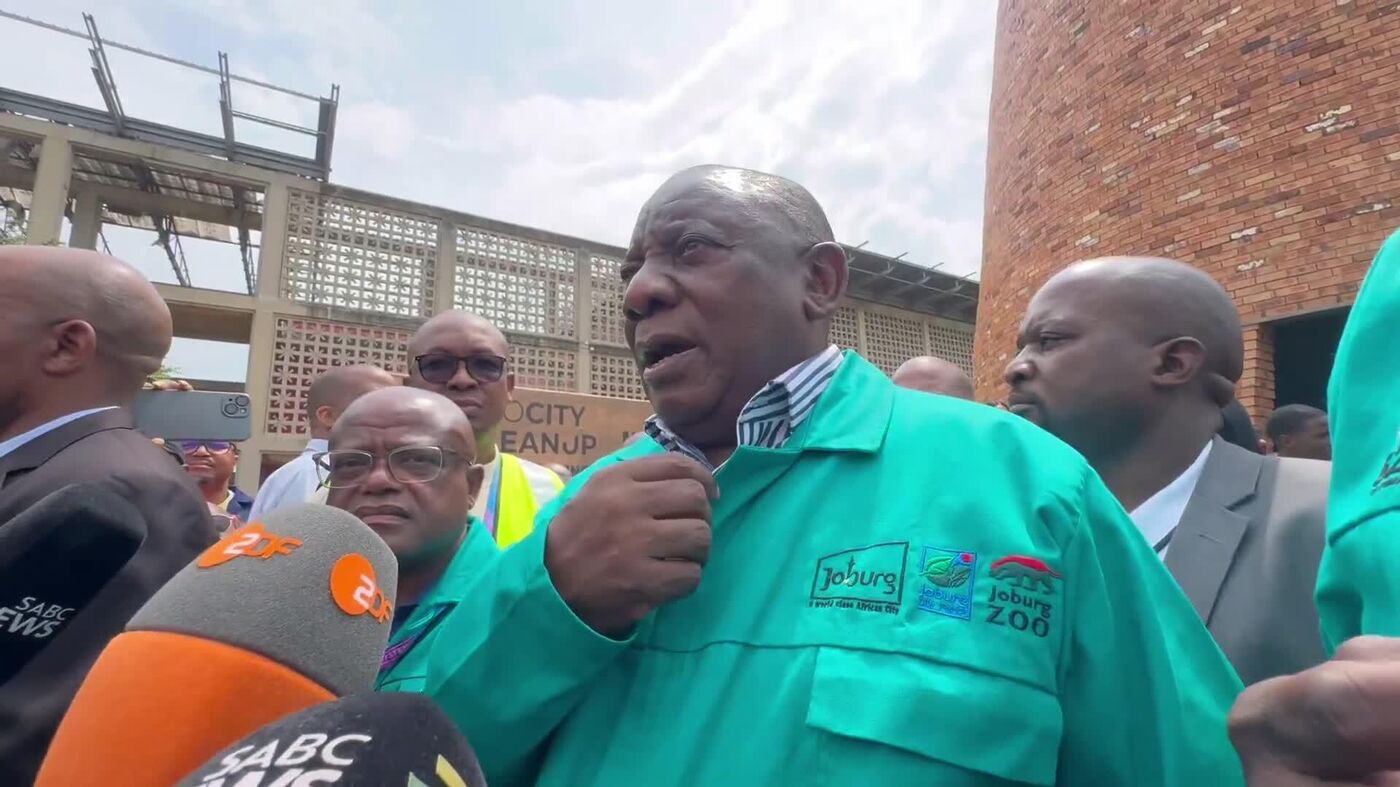
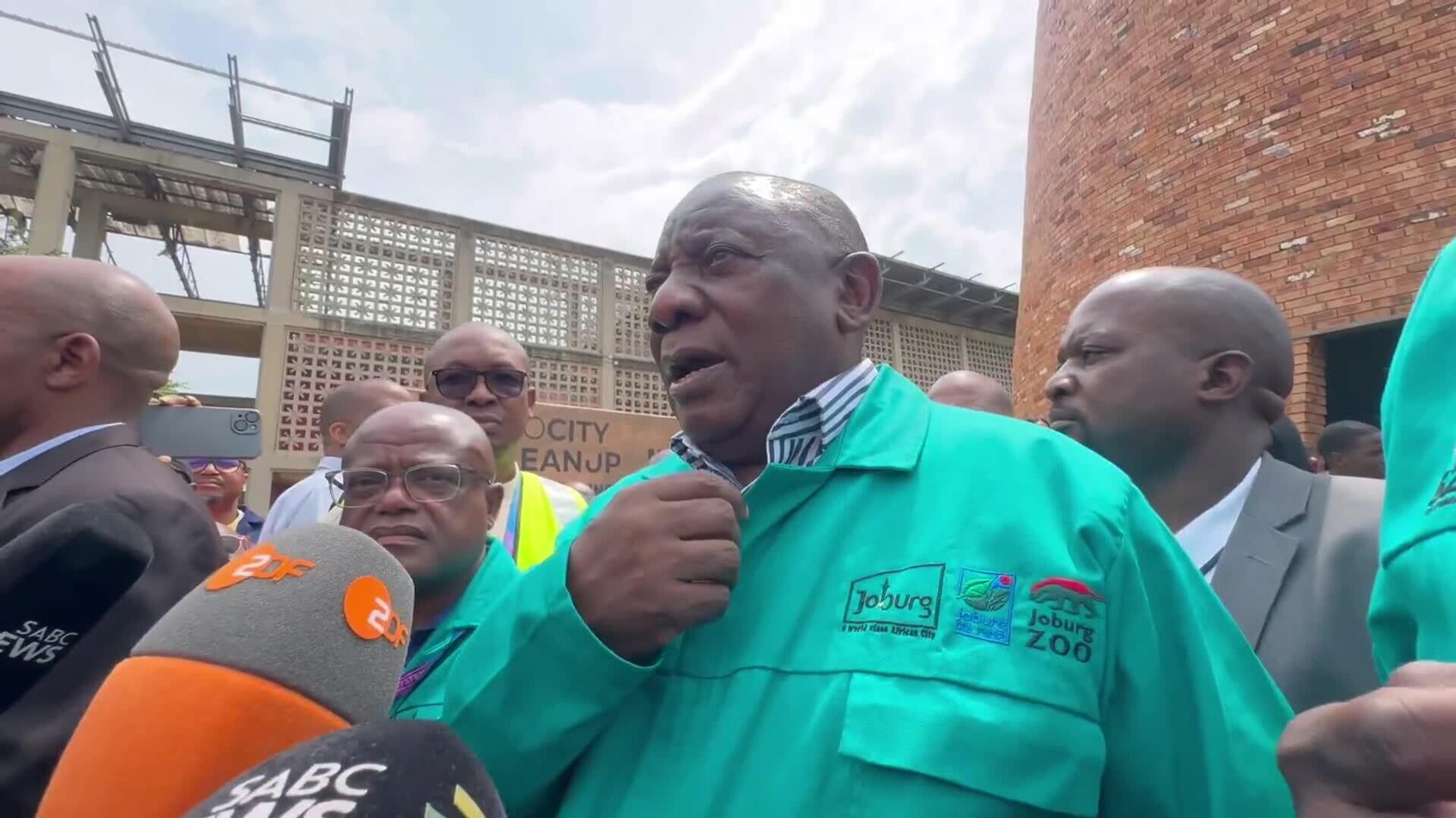
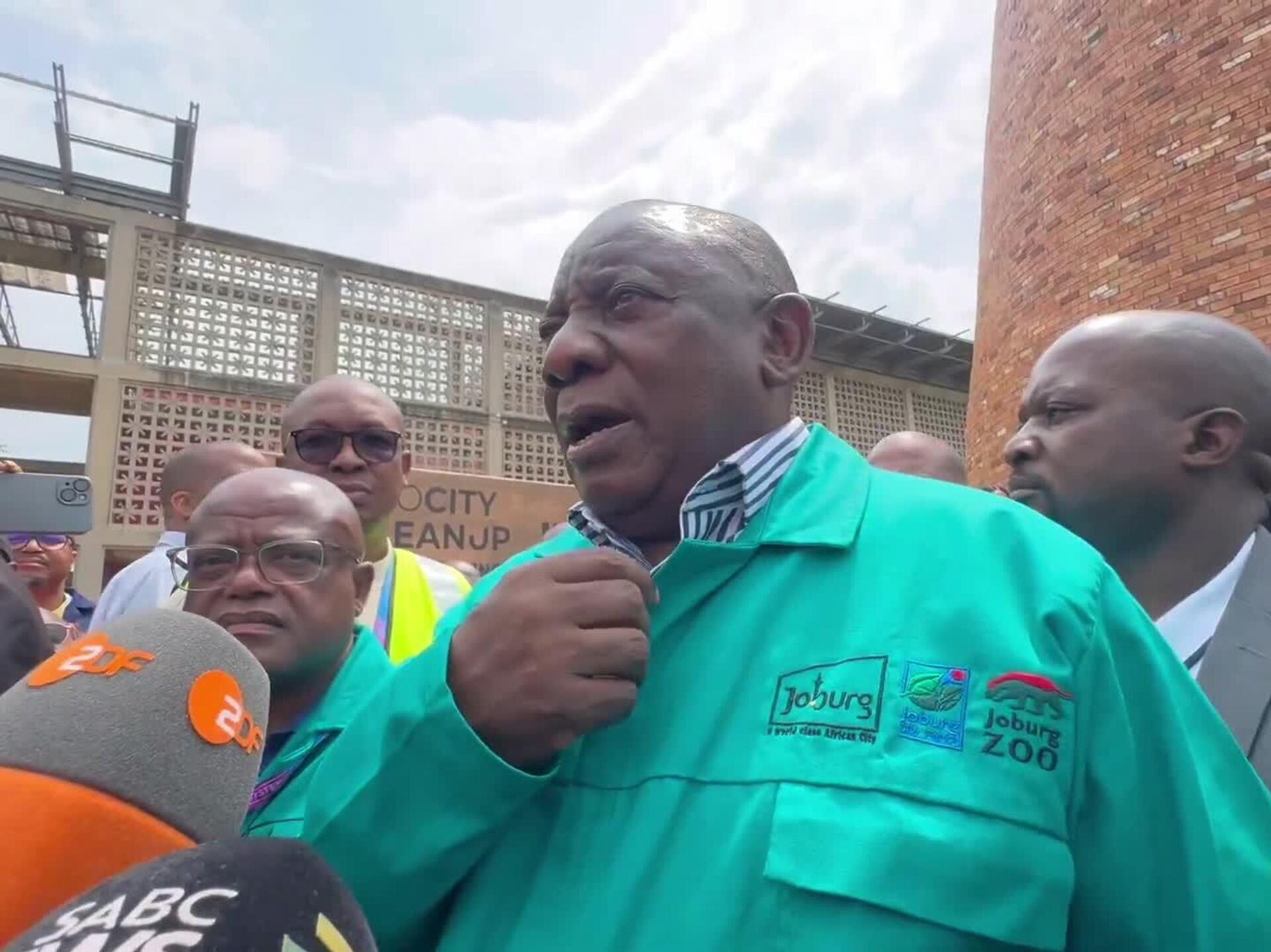
The president shed light on South Africa’s decision to receive 160 Palestinians from Gaza, saying the country acted out of “compassion” and “empathy” after the group arrived at O.R. Tambo International Airport without proper documentation.
“Even though they do not have the necessary documents and papers… out of compassion, out of empathy, we must receive them,” Ramaphosa said on Friday.
He added that the passengers appeared to have been “flushed out” of Gaza, and emphasized that South Africa — long vocal in its support for Palestinians — could not turn away people fleeing war and suffering.
Context of the Arrival
The group landed in Johannesburg on Thursday after a complex journey:
▪They left Gaza on Wednesday, travelling via Israel to Kenya.
▪Early on Thursday, they arrived in Nairobi before boarding a Global Airways charter to Johannesburg.
▪Their passports were not stamped by Israeli authorities, leaving them effectively stateless on arrival.
Global Airways said the passengers were initially declared inadmissible despite the airline having submitted travel documents and the passenger list to South African authorities a day earlier.
The refugees ended up stuck onboard the aircraft for more than 13 hours while government departments and humanitarian organizations negotiated a resolution.
Humanitarian Response
Once allowed to disembark, the passengers were met by Gift of the Givers, who provided food, medical assistance, and temporary accommodation.
“Israel deliberately did not stamp the passports of these poor people to exacerbate their suffering,” Imtiaz Sooliman said, thanking DIRCO and Justice Minister Ronald Lamola for intervening.
What Happens Next
Ramaphosa said South Africa’s intelligence services, Home Affairs, and DIRCO are working together to assess the situation:
“We will process their presence here and… make an announcement so that the people of South Africa know precisely what is happening and how this matter came to be where it is.”
For now, the refugees are safe on South African soil — and the government maintains they were accepted because, as Ramaphosa put it, this was “a different and special case of a people that we have supported as a country.”
Subscribe to @sputnik_africa